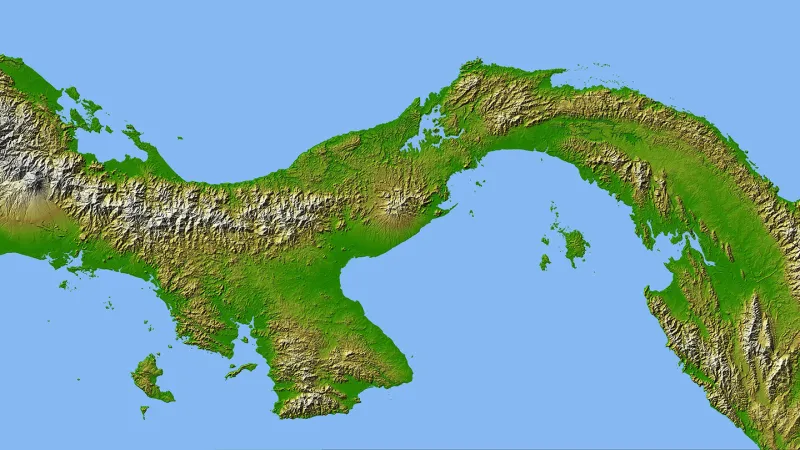
Researchers studying fossil records have found evidence that ancient mammals used Mexico as a critical stopover zone during migrations between North and South America across the Isthmus of Panama. The discovery suggests that Mexico's climate and vegetation patterns created favorable conditions for species traveling between the continents millions of years ago.
The findings emerge from analysis of mammalian fossil distribution and paleoclimate data spanning several million years. Scientists examined how different species adapted to environmental changes as they moved through the isthmus, a narrow land bridge that connected the two continents. Mexico appears to have served as a transitional zone where animals could adjust to new climatic and ecological conditions before continuing their journeys.
The research reveals that not all mammals moved uniformly across the isthmus. Some species thrived in Mexico's specific climate conditions and remained longer, while others passed through relatively quickly. This variation in migration patterns depended on each species' physiological requirements and dietary preferences. Predators, herbivores, and omnivores responded differently to the available resources in different Mexican regions.
This stopover hypothesis helps explain fossil gaps that scientists have long puzzled over. Rather than migrating continuously from north to south, many mammals likely followed gradual routes through Mexico, establishing populations in favorable zones before expanding further. The pattern demonstrates how climate and geography shaped the movement of megafauna and smaller species alike during the Pleistocene and earlier epochs.
Understanding these ancient migration patterns provides context for modern biodiversity in the Americas. Species that successfully adapted to Mexico's conditions during these prehistoric movements left lasting marks on the continent's current ecosystem composition. The research also illuminates how animals respond to environmental transitions, relevant for predicting modern species behavior amid ongoing climate change.
The study underscores the importance of Mexico's geographic position in shaping continental fauna and offers new perspectives on how ancient animals navigated landscape changes over millennia.