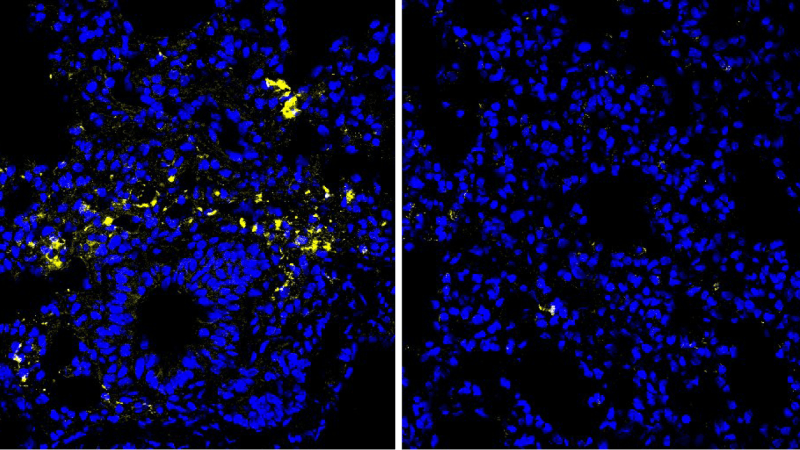
Researchers have discovered that dietary arginine, an amino acid found in foods like nuts, seeds, and poultry, reduces both tumor formation and viral infections in mice by enhancing specific immune proteins.
The study involved feeding mice diets enriched with arginine while exposing them to conditions that promote colon cancer development and viral infection. Mice consuming elevated arginine showed fewer tumors and lower viral loads compared to controls. The mechanism centers on arginine's role in boosting production of antimicrobial peptides and other immune signaling molecules that strengthen the intestinal barrier and enhance immune cell function.
Arginine serves as a precursor for nitric oxide and polyamines, compounds essential for immune regulation. When mice received more dietary arginine, their intestinal epithelial cells and immune cells ramped up production of these protective molecules. This enhanced immune response appears to suppress both cancerous cell growth and viral replication in the gut.
The findings emerged from work examining how nutrition influences the gut microbiome and immune system. The research team observed that arginine-enriched diets altered the composition of gut bacteria in ways that supported immune function. Mice with adequate arginine maintained healthier microbial communities that produced additional beneficial metabolites.
However, translating these results to humans requires caution. Mouse models of disease do not always predict human responses, and dietary interventions in controlled laboratory settings differ from real-world nutrition patterns. The researchers note that arginine levels in typical human diets vary considerably based on individual protein consumption and food choices.
The study adds to growing evidence that specific amino acids play direct roles in immune function beyond their basic role as protein building blocks. Previous research has highlighted similar immunological functions for glutamine, leucine, and tryptophan.
Next steps include clinical trials to determine whether arginine supplementation benefits patients with inflammatory bowel disease or those at risk for colorectal cancer.