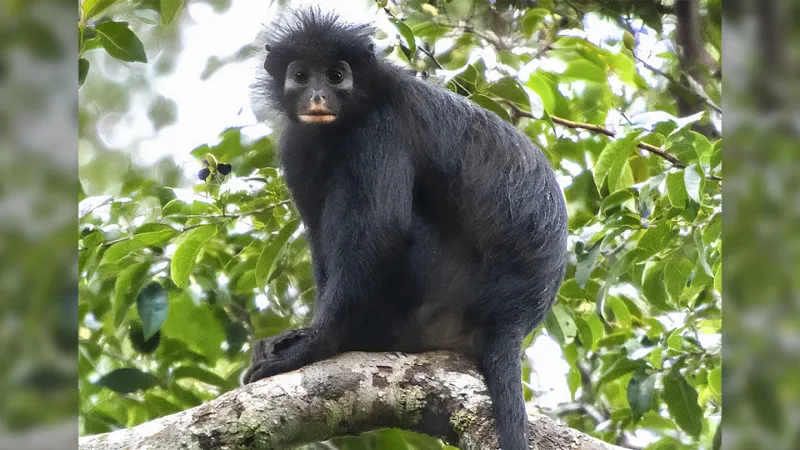
Researchers have identified a previously unknown monkey species in the Congo's remote forests through an unexpected combination of methods: distinctive vocalizations, partial photographs, and genetic analysis.
The discovery came together when scientists heard unusual canopy calls that didn't match any known species. Field researchers captured incomplete photographic evidence of the animal high in the forest canopy. DNA testing confirmed what the audio and visual clues suggested: a distinct primate species previously unknown to science.
The finding represents the type of biological diversity still waiting to be cataloged in Central Africa's vast rainforests. Yet the researchers face an immediate conservation concern. The species appears to inhabit a limited geographic range, putting it at risk from habitat loss and fragmentation. The Congo basin experiences ongoing deforestation from logging, agriculture, and development pressures.
The specifics of the species remain limited given the difficulty of studying animals in dense canopy environments. Dense forest cover makes direct observation challenging, forcing scientists to rely on acoustic signatures and genetic markers rather than extensive behavioral data. This research method reflects a shift in primate discovery, where molecular tools increasingly complement traditional field observation.
The timing of this identification raises conservation questions. Many newly described species face extinction threats before basic ecology and population size become understood. The researchers have not yet provided details on population estimates or specific forest locations to prevent potential poaching or disruption.
Similar discoveries in Central Africa have emerged over the past two decades as DNA technology improved and remote areas received increased scientific attention. Each new primate species added to the scientific record underscores how incomplete our understanding of global biodiversity remains, particularly in threatened tropical regions.
The work highlights the race against time in species discovery. Forests disappear faster than scientists can document their inhabitants. This monkey species now joins an expanding list of recently discovered primates whose survival depends on protected habitat and enforcement of conservation policies in regions with limited resources for enforcement.