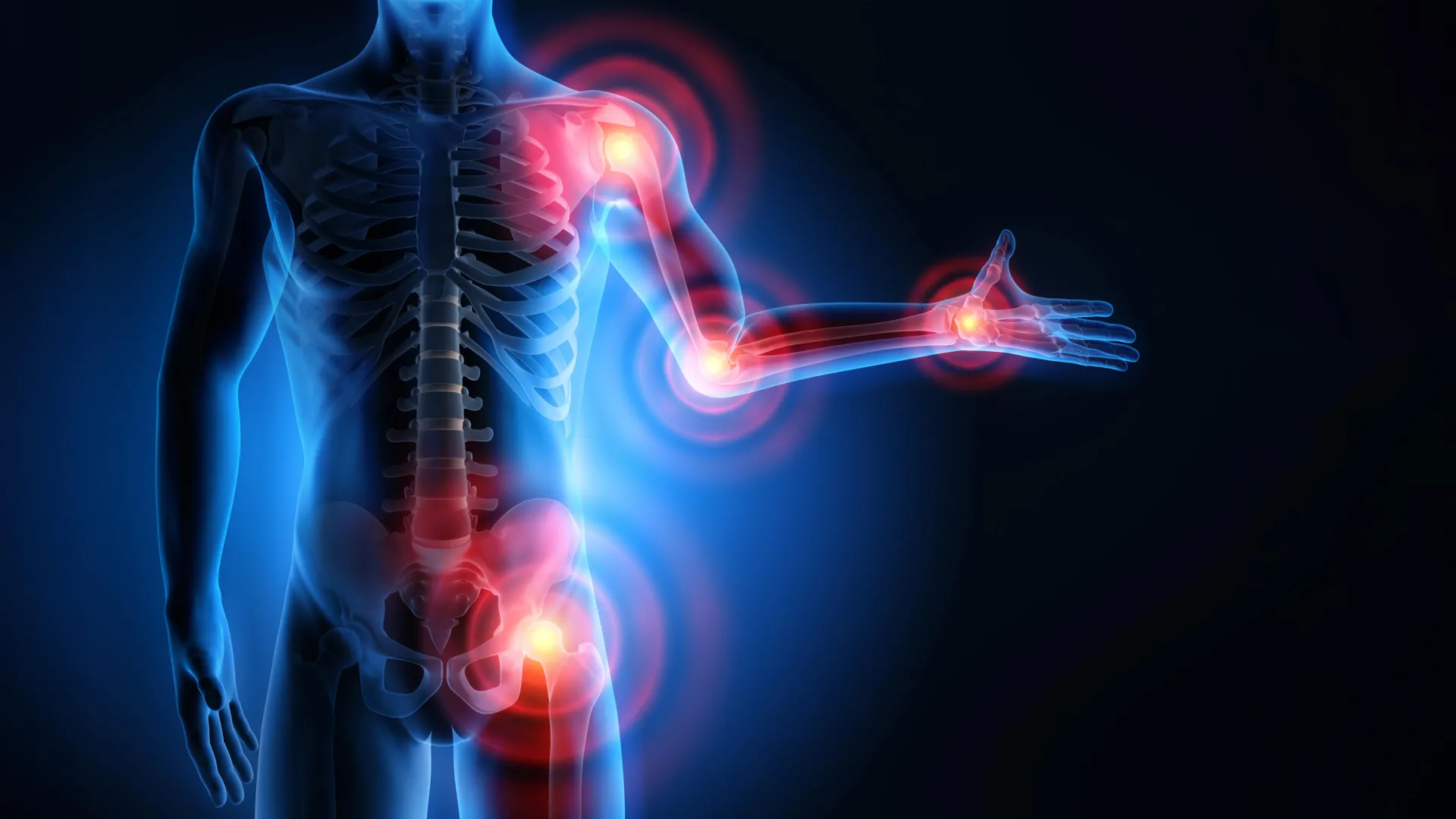
Researchers have pinpointed an immune mechanism underlying statin-induced muscle pain, a side effect that affects roughly 10 percent of patients taking these cholesterol-lowering drugs. The discovery opens a path toward therapies that preserve statins' cardiovascular benefits while preventing muscle damage.
Statins rank among the most prescribed medications globally, reducing heart attack and stroke risk by lowering LDL cholesterol. Yet muscle pain, weakness, and reduced exercise capacity force many patients to stop treatment or reduce doses, compromising their cardiovascular protection.
The new research identifies an aberrant immune response as the culprit. When statins inhibit cholesterol synthesis in muscle cells, they trigger an inflammatory cascade involving immune activation. This process damages muscle fibers and depletes energy reserves, creating the clinical symptoms patients experience.
The findings emerge from studies examining muscle tissue biopsies and immune markers in statin-intolerant patients. Researchers compared these individuals to statin-tolerant controls, revealing distinct patterns of immune cell infiltration and inflammatory signaling in affected muscles.
Understanding this mechanism matters because it suggests targeted interventions. Rather than abandoning statins entirely, clinicians might co-administer immunomodulatory agents that suppress the specific inflammatory pathway without interfering with statins' cholesterol-lowering action. Such an approach could allow vulnerable patients to maintain cardiovascular protection.
The research also highlights heterogeneity in statin response. Not all patients develop muscle symptoms, suggesting genetic or immunological predispositions influence susceptibility. Future work identifying biomarkers that predict who develops statin myopathy could enable personalized medicine strategies.
Current management of statin intolerance remains limited. Doctors typically rotate between different statin classes or reduce doses, both suboptimal solutions. Some patients switch to newer cholesterol medications like PCSK9 inhibitors, which lack statin's extensive cardiovascular