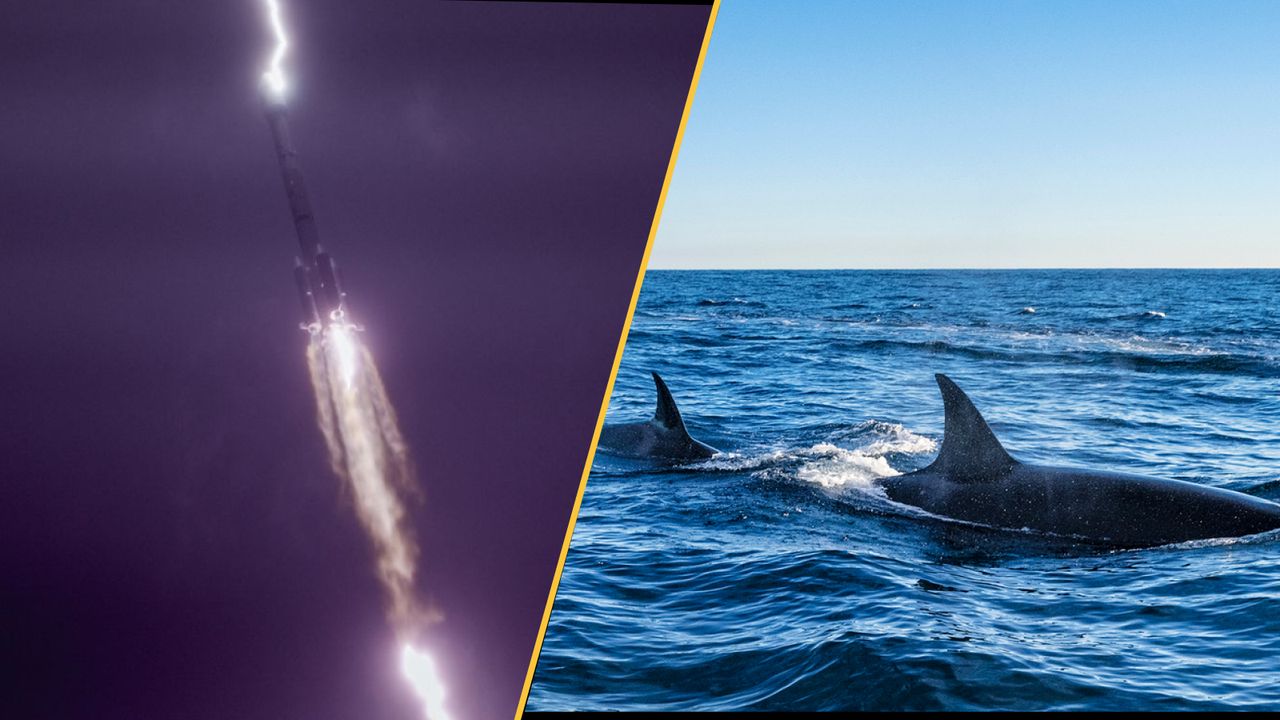
Whale shark research published this week offers new insights into the migratory patterns and feeding behavior of Earth's largest fish species. Scientists tracked individual whale sharks across ocean basins, revealing complex navigation routes and seasonal breeding aggregations previously unknown to marine biologists. The data suggests these filter-feeders travel thousands of miles annually, following plankton blooms and ocean currents in ways that challenge existing models of shark behavior.
In atmospheric science, researchers confirmed a new record low temperature on Earth's surface. Antarctic stations recorded readings near minus 94 degrees Celsius, surpassing previous measurements from the same continent. The extreme cold reflects natural climate variability in polar regions, though scientists emphasize that understanding these extremes remains essential for modeling climate change impacts on ice sheet stability and sea level rise.
Archaeological teams working in the Amazon basin have identified previously unknown geoglyphs, massive earthworks visible only from above that suggest sophisticated pre-Columbian settlement patterns. The structures, revealed through LiDAR scanning that penetrates jungle canopy, indicate organized communities engaged in large-scale landscape engineering. Dating and cultural attribution remain ongoing, but the findings point to a more densely populated and administratively complex Amazonian civilization than previously documented in historical records.
These three discoveries span marine biology, atmospheric physics, and archaeology, illustrating how modern technology enables breakthrough observations across disciplines. Whale shark tracking relies on satellite and acoustic tagging. Polar temperature measurement depends on automated stations in remote regions. Archaeological geoglyphs emerged from LiDAR technology that maps terrain beneath vegetation. Each discovery builds on decades of foundational research while opening new questions about ocean ecosystems, planetary extremes, and lost human societies.