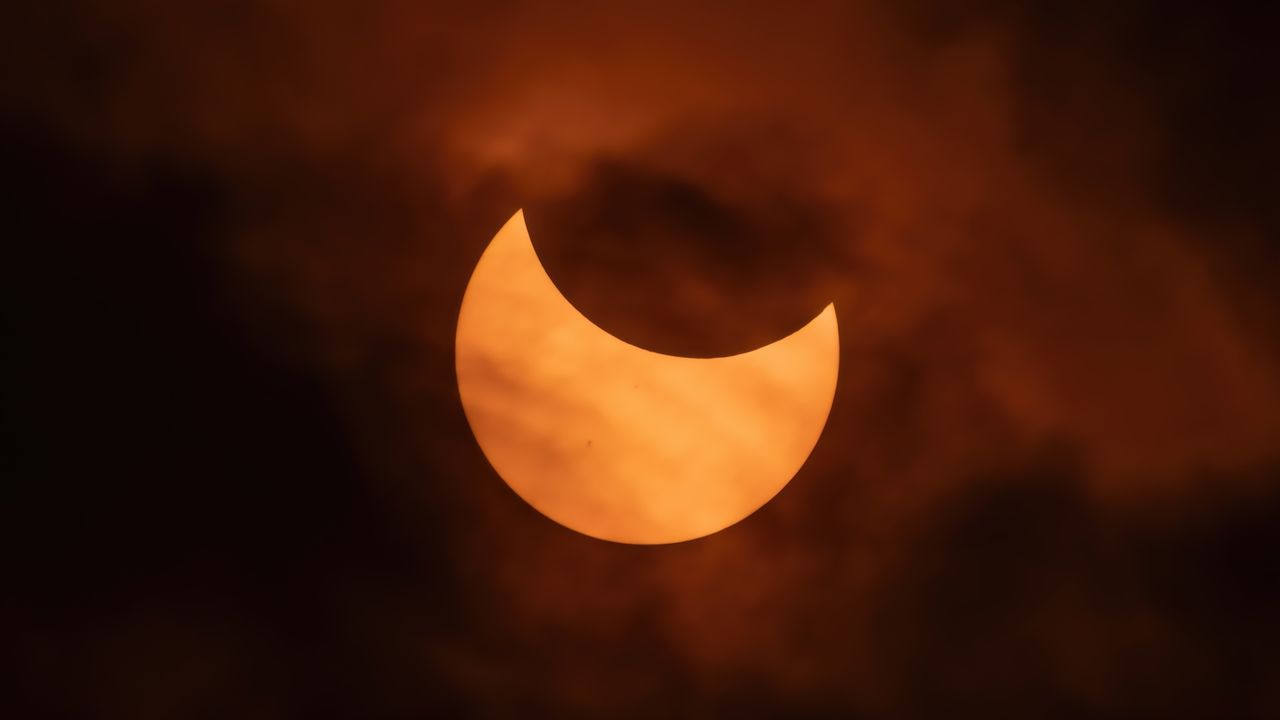
Building an eclipse kit requires matching your budget to the right gear. For the August 12, 2026 solar eclipse, observers have clear options at multiple price points.
Budget-conscious watchers spending around $50 can purchase ISO 12312-2 certified eclipse glasses, the essential safety requirement for viewing any solar eclipse. These glasses block 99.99% of the sun's light and cost just a few dollars per pair. Add a simple camera filter or basic telephoto lens adapter for smartphone photography, and you remain well under budget while capturing the event safely.
The $200-$300 range opens access to dedicated eclipse filters for cameras and telescopes. A quality solar filter for a DSLR or mirrorless camera runs $40-$80, while telescope solar filters cost $50-$150 depending on aperture. A sturdy tripod and remote shutter release become practical additions at this level, eliminating camera shake during critical moments when the moon fully blocks the sun's disk.
Serious astronomers with $500-$1,000 budgets can invest in specialized eclipse equipment. A dedicated solar telescope or a refractor telescope with premium solar filters provides extraordinary views of the sun's corona and prominences. Some enthusiasts add spectroscopy equipment to analyze the sun's composition during totality, or purchase advanced tracking mounts that automatically follow the eclipse as it progresses across the sky.
All eclipse viewers should prioritize certified eclipse glasses above anything else. Looking at the sun without proper protection causes permanent retinal damage within seconds. Never look through unfiltered cameras, binoculars, or telescopes.
Location planning matters as much as equipment. The August 2026 eclipse path crosses Greenland, Iceland, Spain, and Portugal. Observers should book accommodations early and scout viewing locations with clear weather forecasts.
Whether spending $50 or $1,000,