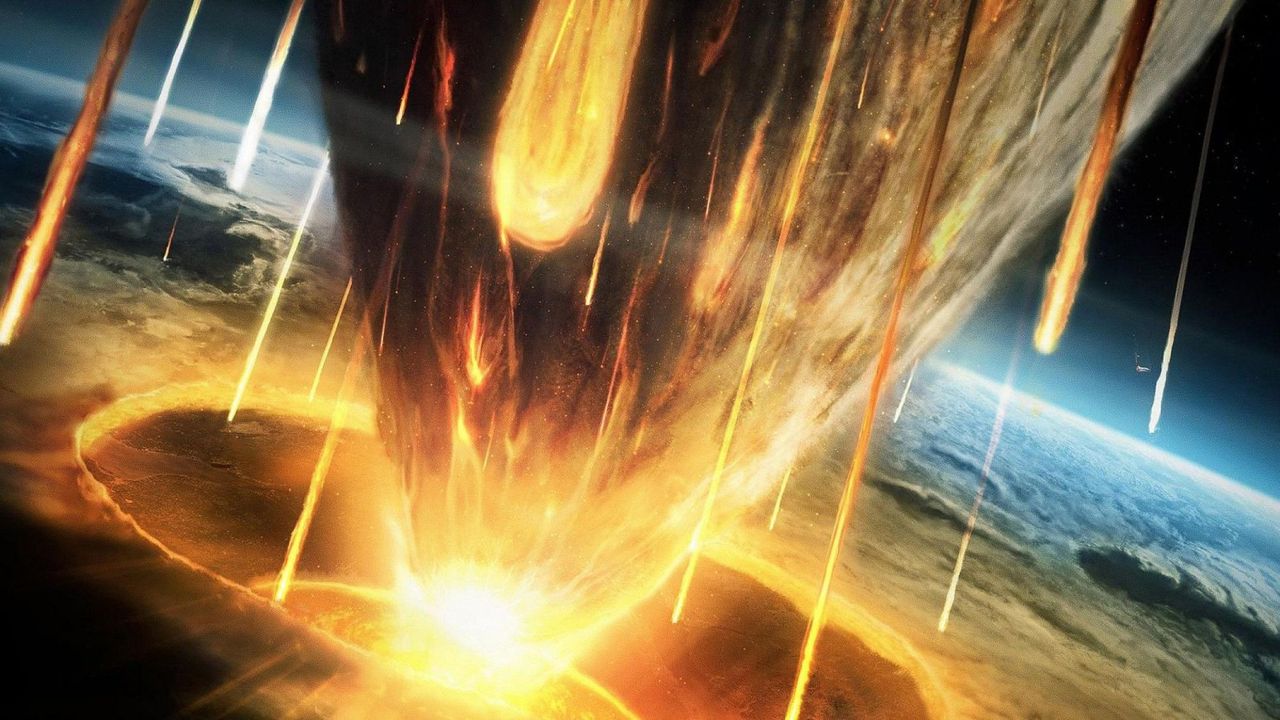
Scientists have discovered that the asteroid impact 66 million years ago that killed the dinosaurs likely triggered catastrophic firestorms across Earth within hours, not through prolonged darkness and starvation as previously thought.
Researchers analyzing impact debris found that ultrafine dust ejected into the atmosphere during the Chicxulub impact in Mexico created temperatures 17 times hotter than the lethal thermal threshold for humans. These extreme conditions ignited global wildfires on a scale never before documented in Earth's history.
The new evidence challenges the dominant "impact winter" theory, which proposed that dust and ash blocked sunlight for months or years, causing global temperatures to plummet and killing most life through starvation. Instead, the emerging model suggests an initial phase of extreme heating from radiation trapped by the fine particulate matter in the upper atmosphere.
The mechanism works through radiative heating. Impact dust particles, extremely fine in size, absorb and reradiate thermal energy from the Sun. This creates a greenhouse-like effect in reverse, heating the lower atmosphere to lethal levels almost instantaneously. The combination of direct thermal radiation and secondary heating from global fires would have created an uninhabitable environment for most organisms within hours to days.
This scenario explains several puzzles in the paleontological record. Charcoal layers found in sediments worldwide align with this firestorm hypothesis. Additionally, the pattern of extinction across different species correlates better with exposure to extreme heat than with prolonged darkness and cold.
The research underscores how the same impact event involved multiple, cascading catastrophes. The initial firestorms killed organisms across the globe through thermal shock and radiation. Surviving these infernos faced subsequent challenges: impact winter did occur later, as soot from the fires and remaining dust blocked sunlight for extended periods, causing a secondary extinction event through starvation and cold.
Understanding the precise sequence of post