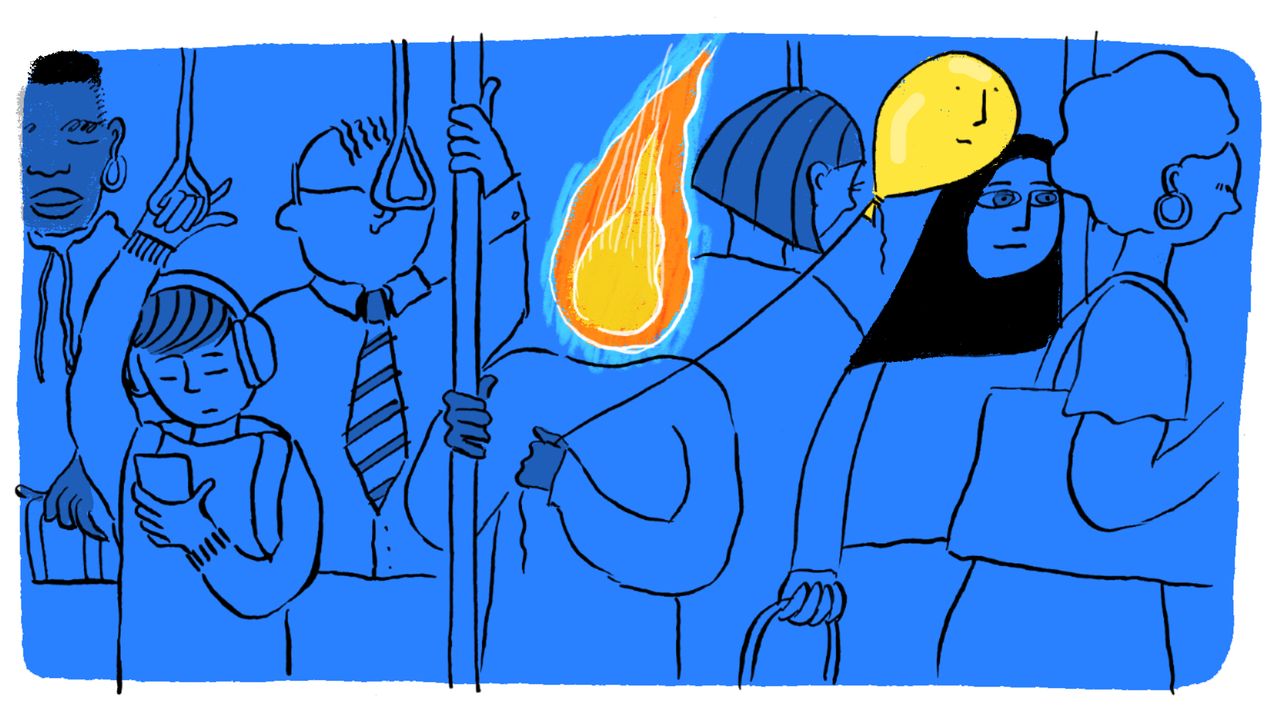
Researchers are exploring a novel hypothesis linking immune system dysfunction to dissociative disorders, which involve persistent out-of-body experiences and detachment from reality.
The investigation suggests that inflammation and immune dysregulation may contribute to conditions like depersonalization-derealization disorder, where patients feel disconnected from their bodies or surroundings. This emerging framework challenges traditional psychiatric models that have primarily attributed dissociative symptoms to psychological trauma alone.
The research centers on how abnormal immune responses could alter brain chemistry and neural connectivity in regions responsible for self-perception and body awareness. Elevated inflammatory markers have been detected in some dissociative disorder patients, pointing toward a biological underpinning previously overlooked in clinical practice.
This work represents a shift toward understanding dissociative disorders through a biopsychosocial lens. Rather than viewing these conditions as purely psychological responses to trauma, researchers now consider how the immune system's malfunction might trigger or sustain dissociative symptoms. The hypothesis builds on growing evidence linking neuroinflammation to various neuropsychiatric conditions, from depression to anxiety disorders.
The implications could reshape treatment approaches. If immune dysfunction plays a causal role, anti-inflammatory therapies or immunomodulatory medications might offer relief alongside traditional psychotherapy. However, researchers emphasize this remains preliminary work requiring rigorous clinical trials before any therapeutic shifts occur.
Several limitations temper the findings. Sample sizes in current studies remain small, and causality has not been definitively established. Dissociative disorders are heterogeneous conditions with multiple potential pathways, making it unlikely a single immune mechanism explains all cases. Researchers cannot yet distinguish whether inflammation causes dissociation or results from it.
The work opens new investigative pathways for understanding why some trauma survivors develop dissociative symptoms while others do not. Genetic predisposition and individual immune profiles may determine vulnerability. Establishing this connection could help identify