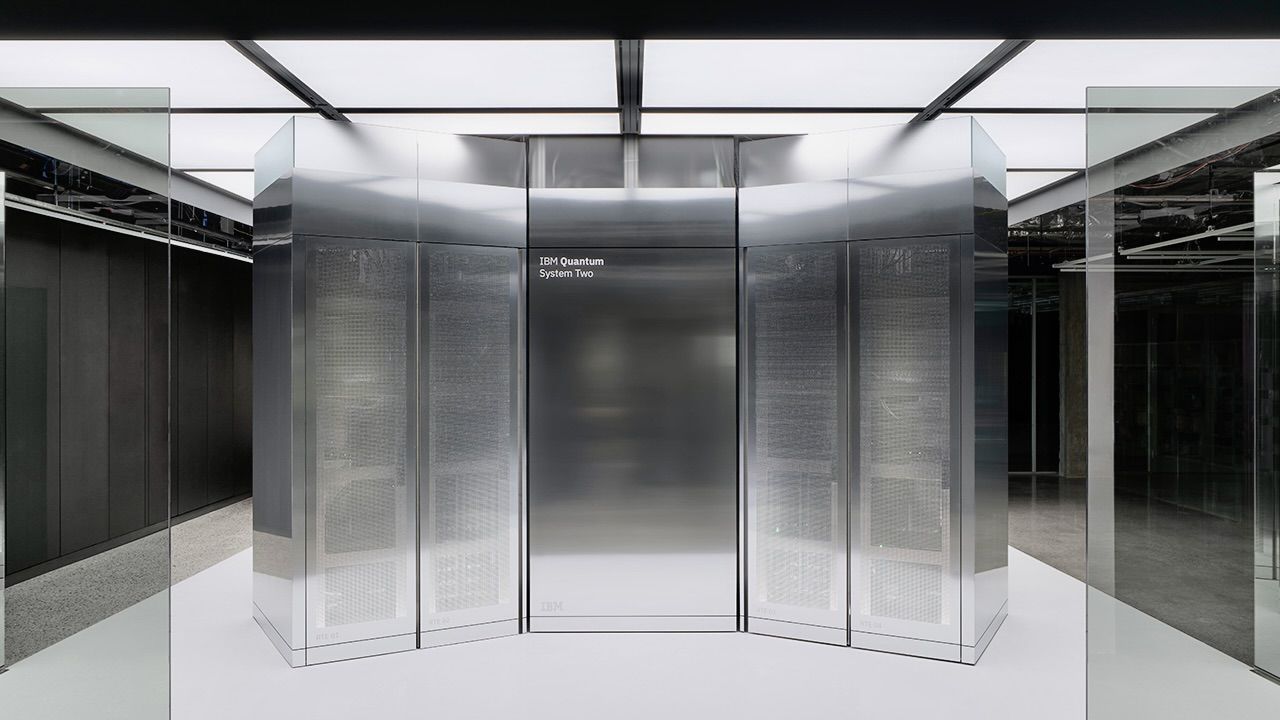
IBM researchers announced they have demonstrated quantum advantage across three separate experiments using their quantum computer, claiming the machine outperforms classical computers on practical computational tasks. The achievement represents a major milestone in quantum computing development, where systems harness quantum mechanical properties to solve problems faster than traditional silicon-based processors.
The IBM team published their findings in a peer-reviewed venue, establishing benchmarks that challenge competitors to replicate or surpass their results. Quantum advantage, also called quantum supremacy, occurs when a quantum computer solves a problem substantially faster than the best classical algorithms available.
The three experiments showcase different applications where quantum systems excel. Rather than focusing on abstract theoretical problems, IBM emphasized practical utility. This distinction matters because earlier quantum advantage claims sometimes involved tasks with limited real-world application.
Quantum computers exploit superposition and entanglement to process multiple computational paths simultaneously. IBM's system uses superconducting qubits cooled to near absolute zero, allowing quantum states to persist long enough for meaningful calculations. The company has progressively scaled their quantum processors while improving error rates.
However, quantum computing faces significant hurdles. Quantum states remain fragile, susceptible to environmental interference called decoherence. Error correction demands substantial resources, reducing the number of qubits available for actual computation. Classical computers continue improving, and some researchers debate whether claimed quantum advantages represent genuine breakthroughs or merely exploit narrow problem domains where quantum systems happen to outperform.
IBM's deliberate invitation for others to verify or challenge their results reflects confidence in their methodology. The scientific community scrutinizes quantum advantage claims carefully because stakes run high for companies and investors betting on quantum technology's commercial potential. Independent verification strengthens claims considerably.
The work advances quantum computing from theoretical promise toward demonstrated capability. Whether these experiments translate into practical business applications remains unclear. Near-term quantum computers likely serve specialized roles in optimization, drug discovery, and materials science rather than replacing classical systems