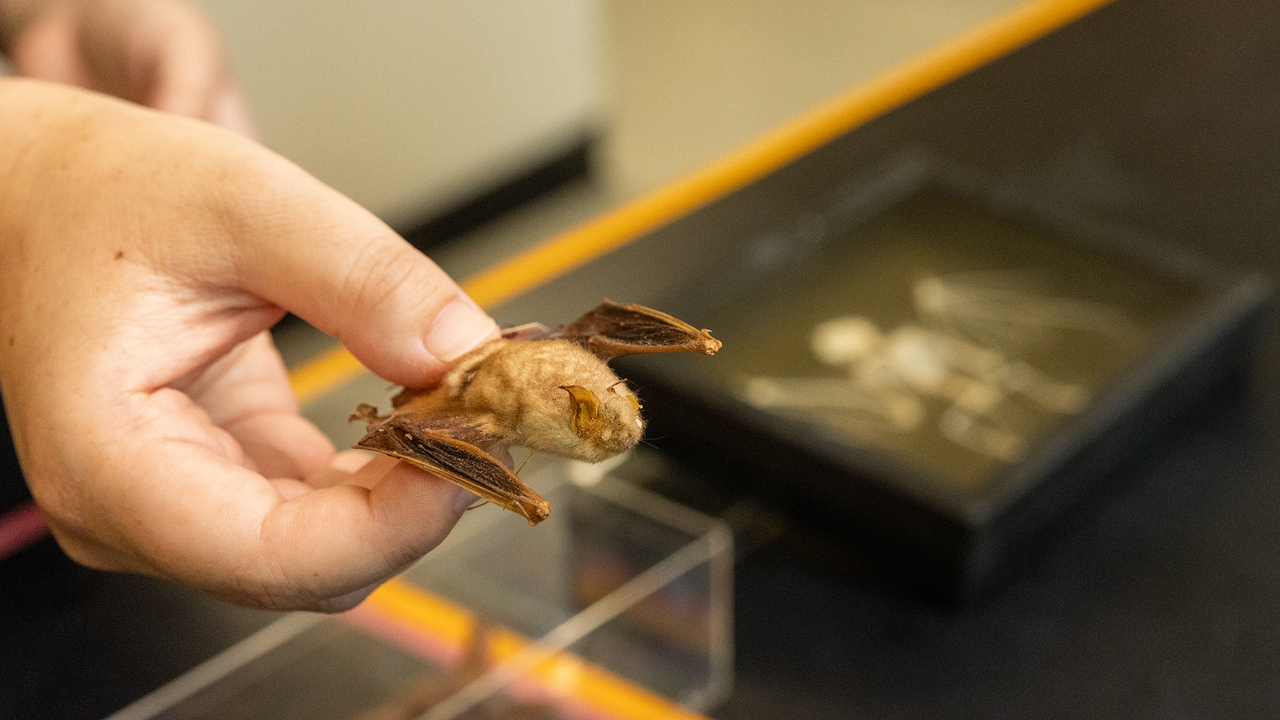
Vesper bats possess a rare dual antibody system that could explain their remarkable ability to tolerate viruses without getting sick, according to research into bat immunology.
Most mammals, including humans, use a single set of genes to construct antibodies. Vesper bats instead employ two distinct genetic pathways to build these infection-fighting proteins. This evolutionary anomaly represents one of the few known cases of such redundancy in vertebrate immune systems.
The discovery emerged from comparative genomic analysis of bat species. Researchers sequenced and examined the immunoglobulin genes across multiple vesper bat lineages, revealing the presence of two functional antibody-generating systems operating independently. Each system can recognize and neutralize different pathogens through separate molecular mechanisms.
This dual-antibody architecture may provide bats with enhanced flexibility in mounting immune responses. Where a human immune system produces antibodies through one developmental pathway, vesper bats can deploy two parallel strategies. This could allow them to recognize a broader spectrum of viral threats or respond more rapidly to novel pathogens.
Bats tolerate infection with viruses that prove lethal to other mammals, including Ebola, SARS-CoV-2, and numerous others. They shed these viruses without developing severe disease, making them natural reservoirs for pathogens that occasionally spill over to human populations. Understanding the immunological basis of this tolerance has public health implications for pandemic preparedness.
The research highlights how evolution shapes immune defenses across species. While most mammals streamlined their antibody systems to single efficient pathways, vesper bats retained or evolved duplicated genetic modules. The functional advantage of maintaining two systems remains an open question. It may provide robustness against immune escape mutations, enable faster response kinetics, or simply represent a historical artifact tolerated because bats face fewer ecological pressures to optimize.
Further investigation into how these two antibody