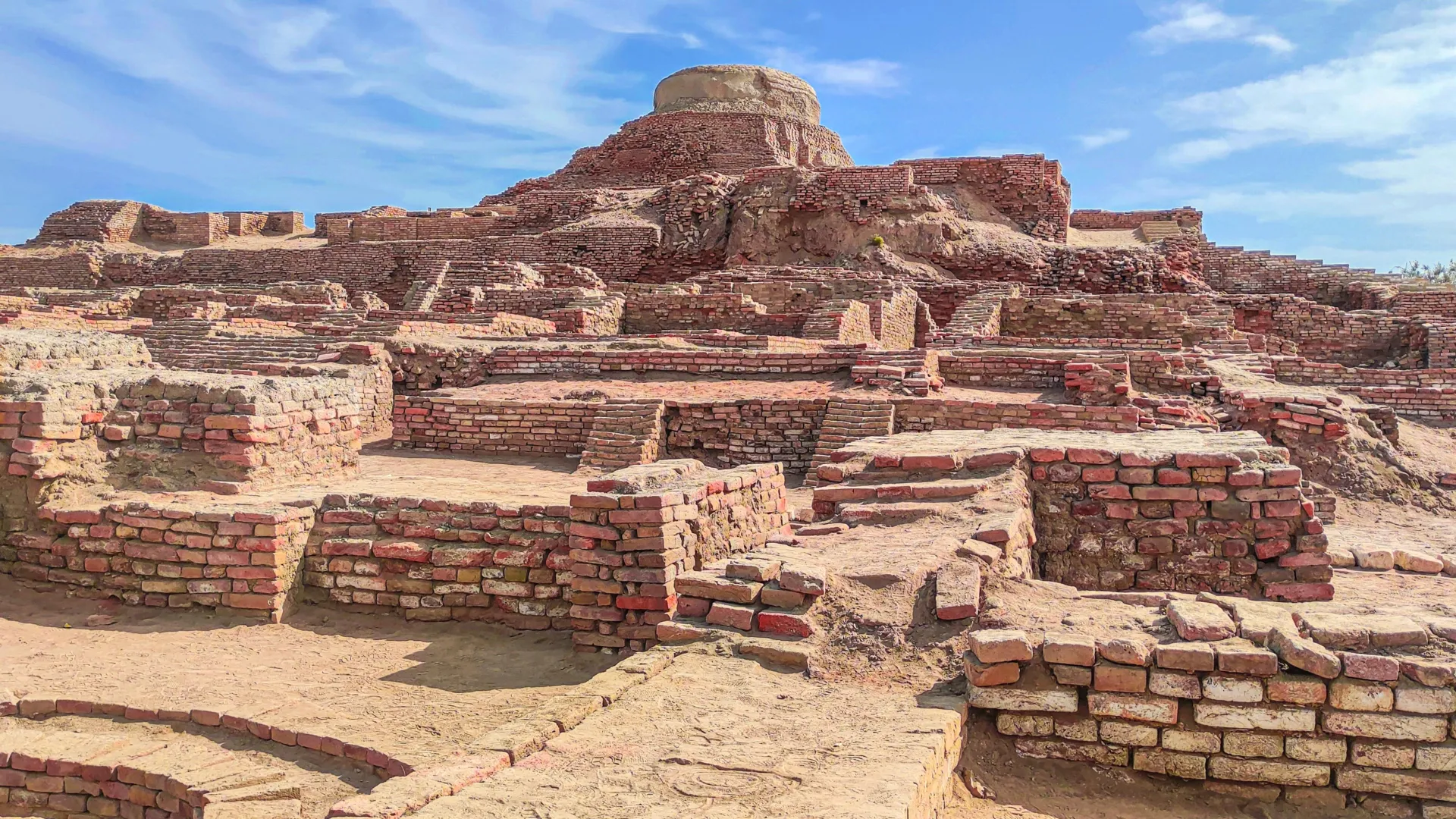
Mohenjo-daro, a 4,000-year-old city in what is now Pakistan, operated under economic principles strikingly different from other ancient civilizations. Rather than concentrating wealth among ruling elites, the city saw the wealth gap between rich and poor households actually narrow as the settlement flourished.
Archaeological evidence reveals a society organized around shared infrastructure and equitable trade systems. The city lacked the monumental palaces and royal tombs that dominated contemporary civilizations in Egypt and Mesopotamia. Instead, Mohenjo-daro invested in public works that benefited residents broadly. The Indus Valley Civilization city featured standardized weights and measures for commerce, suggesting regulated trade that prevented exploitation.
Researchers examining household data found that as Mohenjo-daro's population and prosperity grew over centuries, economic inequality decreased rather than increased. Wealthier residents did not accumulate disproportionate resources. This pattern contradicts the typical historical trajectory where urban growth and prosperity concentrate power and riches among elites.
The city's architecture reinforces this picture. Homes varied in size but lacked the extreme disparities seen elsewhere. Public baths, granaries, and drainage systems served all residents. No evidence points to a powerful priesthood or monarchy extracting taxes and tribute.
This egalitarian structure raises questions about governance. Mohenjo-daro may have operated through consensus-based institutions rather than top-down rule. Some researchers propose cooperative management systems or merchant councils directed urban planning and resource distribution.
The city's longevity suggests the model worked. Mohenjo-daro thrived for roughly 700 years before declining around 1900 BCE, likely due to climate shifts and river pattern changes rather than internal collapse.
The discovery challenges assumptions that complexity requires hierarchy. Mohenjo-daro demonstrates that large, sophisticated urban centers can sustain