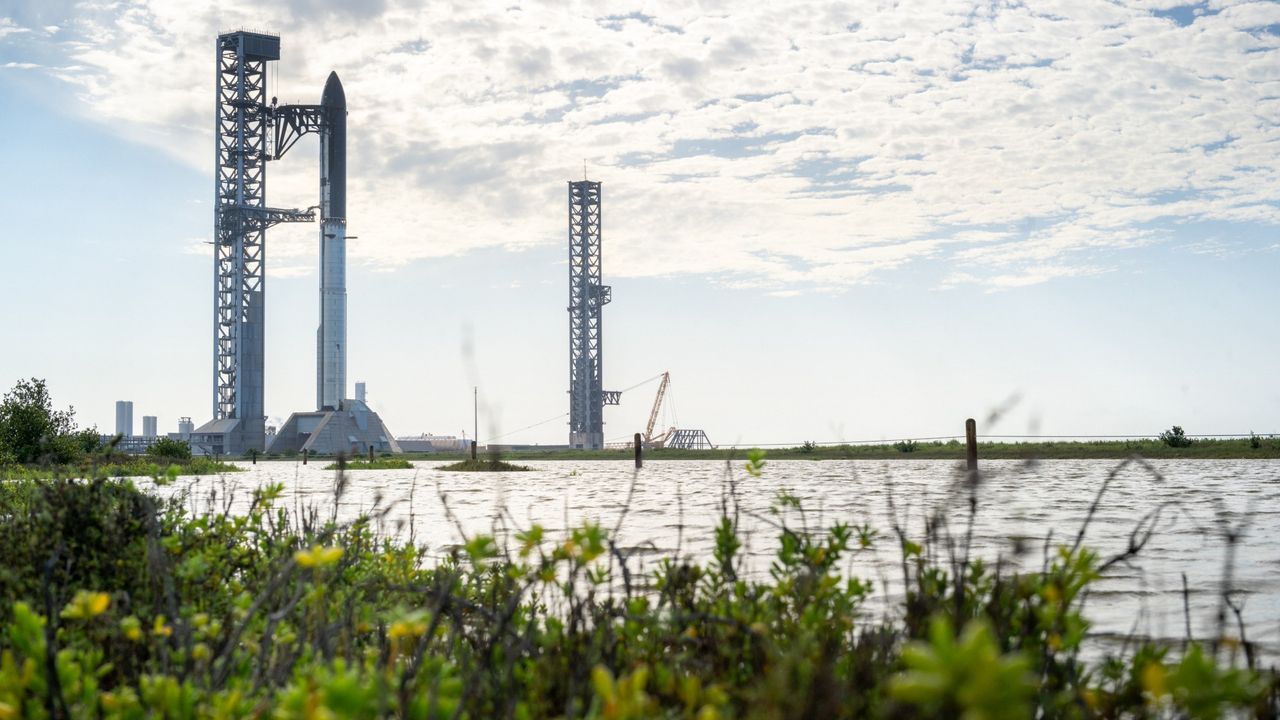
The Federal Aviation Administration is proposing to streamline environmental reviews for commercial space launches and spacecraft reentries to address mounting demand, according to Space.com. The FAA currently faces a significant backlog of applications from companies seeking approval for these missions.
The agency's proposal would reduce the scope of environmental assessments required before companies can launch rockets or bring spacecraft back to Earth. This move reflects the growing commercial space industry, where companies like SpaceX, Blue Origin, and others have dramatically increased launch frequency over the past five years.
Environmental reviews typically examine potential impacts on air quality, wildlife habitats, water resources, and noise pollution. These assessments can take months to complete, slowing the approval process for eager commercial operators. By streamlining these evaluations, the FAA aims to accelerate timelines while maintaining what it considers adequate environmental protections.
The proposal comes as the commercial space industry continues rapid expansion. Launch demand has grown substantially, driven by satellite internet constellations, national security missions, and emerging commercial space station ventures. The FAA's current review processes, designed when commercial spaceflight was nascent, struggle to keep pace.
The agency has not yet released specific details on which environmental assessments would be abbreviated or eliminated. Industry observers expect the FAA will prioritize faster turnaround times for routine launches from established facilities while potentially maintaining fuller reviews for novel operations or launches from new sites.
This proposal raises questions about balancing commercial growth with environmental accountability. Environmental groups may challenge the changes, citing concerns about cumulative impacts from increased launch activity. Conversely, industry representatives argue that streamlined approvals are necessary to maintain American competitiveness in the global space economy.
The FAA has indicated it will accept public comments on the proposal before finalizing any regulatory changes. The agency's decision will shape how quickly American commercial spaceflight can expand over the next several years.