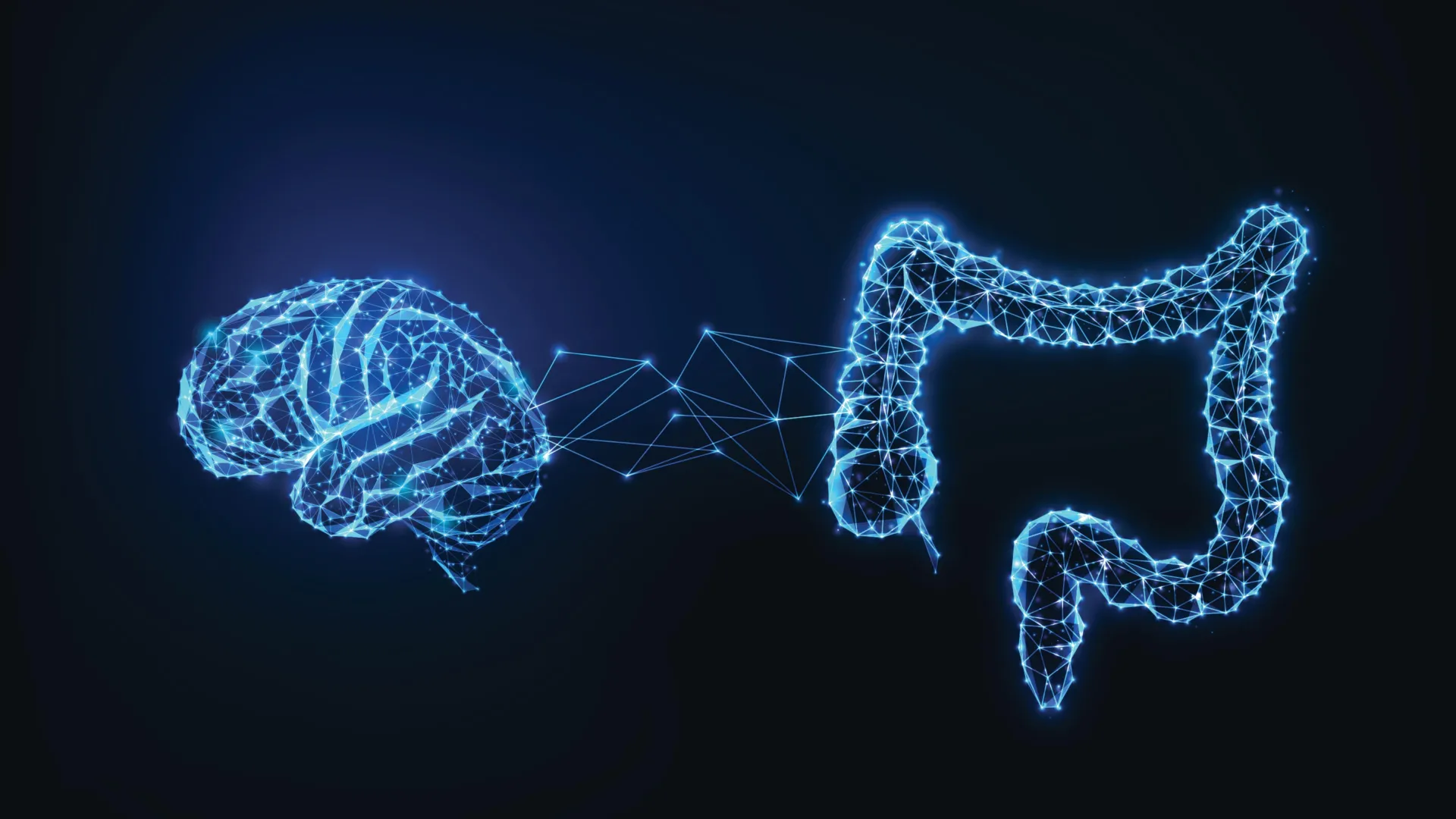
A nutrient-sensing system linking the gut directly to the brain shapes which experiences become lasting memories, researchers have found.
Scientists tested rats by monitoring their memory performance after they consumed different foods and beverages. When animals ate nutritious meals, their brains showed heightened memory activity compared to their baseline state. Sweet drinks lacking nutritional content produced no such effect. The findings suggest the brain distinguishes between genuinely nourishing foods and empty calories when deciding what to encode into memory.
The vagus nerve carries signals between the digestive system and the brain. When researchers blocked this nerve, rats lost the memory boost that normally followed eating nutritious food. The animals also performed worse on spatial memory tasks requiring them to remember where food had been located. This demonstrated that gut-to-brain communication through the vagus nerve drives the phenomenon.
Long-term diet composition altered this system's function. Rats fed diets high in fat and sugar showed progressively weakened memory responses to nutritious foods over time. This suggests that poor nutrition may actually degrade the neural machinery that converts eating experiences into memories.
The research provides a biological mechanism explaining why what we eat affects cognition beyond simple calorie availability. The gut-brain axis appears to serve an evolutionary function, prioritizing memory formation for nutritious discoveries while deprioritizing encounters with nutritionally empty foods. This may have helped ancestral organisms remember where to find calorie-dense resources in food-scarce environments.
The study focuses on rat models, and extending these findings to humans requires additional work. Human diet and memory operate in more complex social and environmental contexts than laboratory conditions capture. Nevertheless, the results align with accumulating evidence that gut health and microbiota composition influence brain function and cognitive performance through multiple pathways.
These findings open questions about whether dietary intervention might enhance memory function by maintaining healthy gut-brain signaling, and whether high-fat, high-sugar diets impair