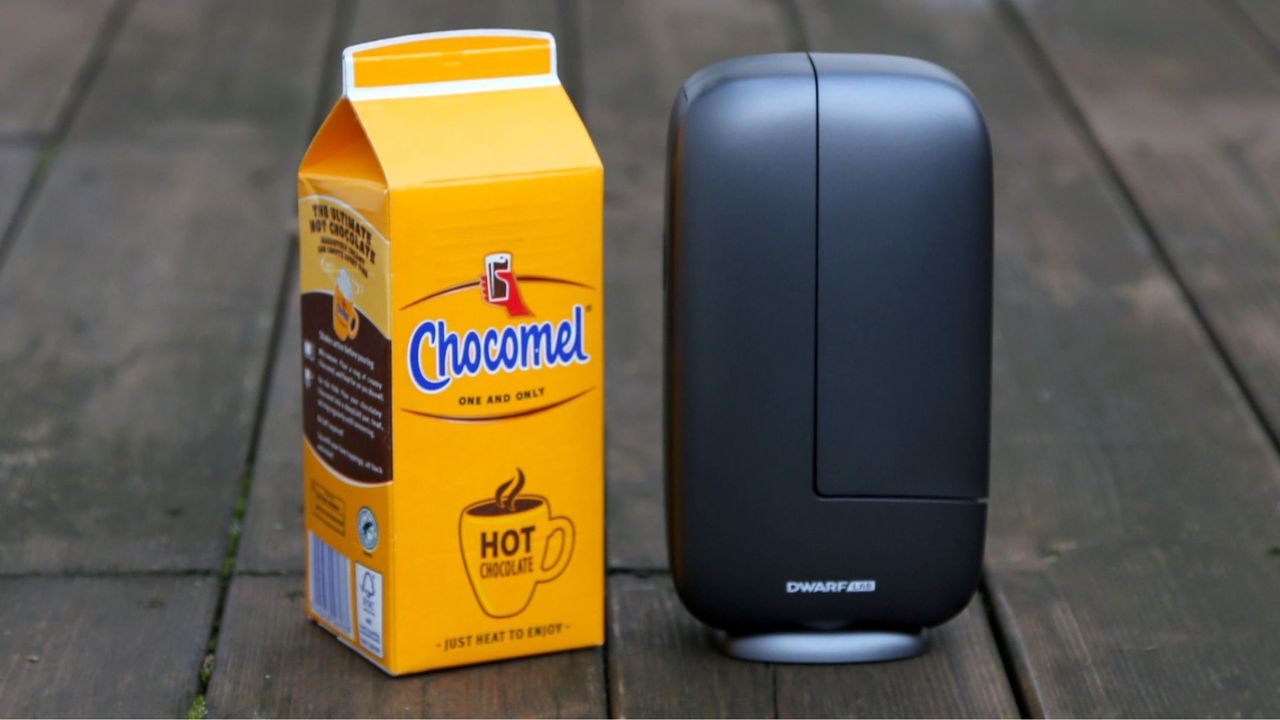
A new pocket-sized smart telescope promises to democratize astronomical observation by eliminating traditional barriers to deep-sky and solar system imaging. The device, small enough to fit in a jacket pocket, combines optical technology with computational photography and artificial intelligence to automatically locate celestial objects and capture high-quality images without requiring extensive astronomical knowledge.
The telescope integrates motorized pointing systems that work alongside smartphone connectivity and dedicated software. Users simply aim the device in the general direction of their target, and onboard algorithms handle precise alignment and focus adjustment. This automation addresses one of amateur astronomy's steepest learning curves, where finding and tracking objects traditionally demanded specialized equipment and considerable skill.
The smart telescope's computational approach leverages image stacking and processing algorithms to enhance faint objects and reduce noise. This technique, long reserved for astrophotographers with expensive setups, becomes accessible through the device's built-in processing capabilities. Users capture multiple exposures that the telescope automatically combines and enhances, producing results competitive with much larger instruments.
The system supports both deep-sky observation of distant galaxies and nebulae, and solar system imaging of planets and the moon. The pocket format makes it genuinely portable, enabling observations from dark-sky locations without the logistical challenges of transporting traditional telescopes requiring tripods, eyepieces, and extensive accessories.
Technical specifications indicate the device employs aspherical optics to maximize light-gathering capability within its compact form factor. Integration with smartphone cameras and processing power leverages existing consumer technology rather than requiring entirely novel hardware development. The software provides object databases and real-time identification of celestial targets.
This approach reflects broader trends in consumer astronomy technology, where digital enhancement and automation reduce technical barriers. The telescope targets amateur astronomers seeking convenience alongside serious hobbyists wanting portable backup equipment. Its effectiveness depends partly on atmospheric conditions and light pollution, variables that remain inherent limitations of any ground-based observation tool.