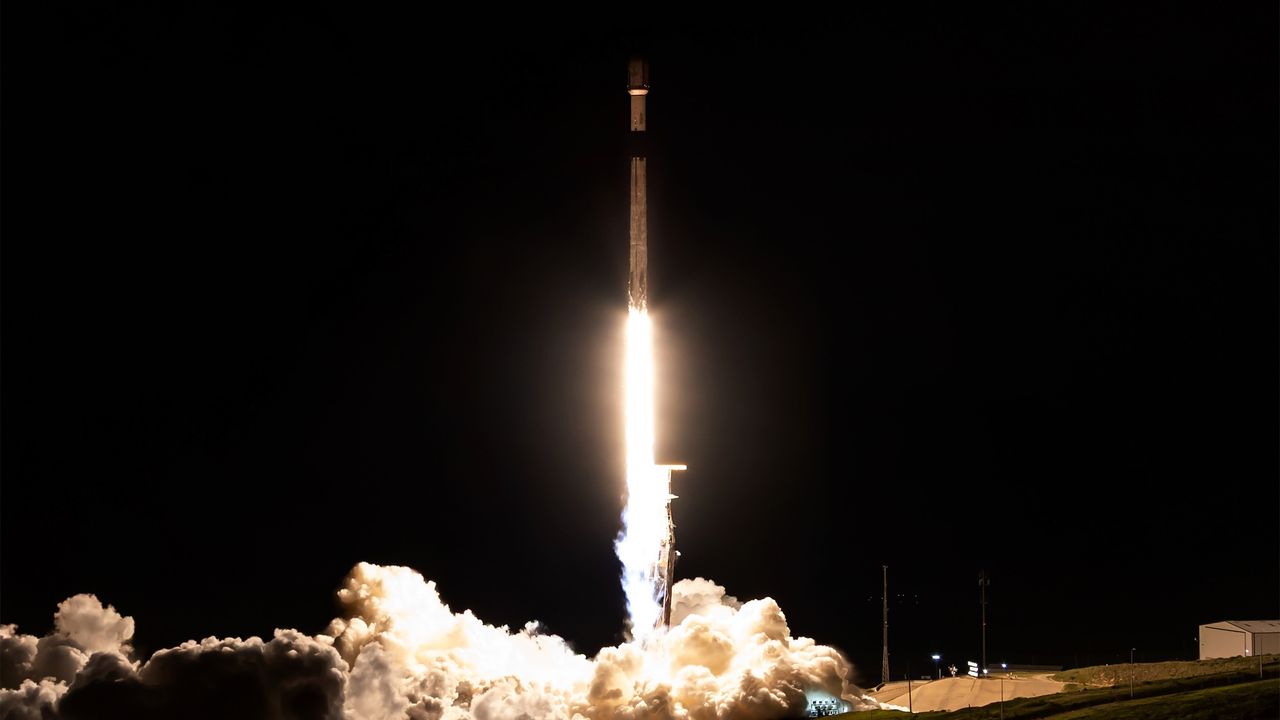
SpaceX will launch a classified U.S. reconnaissance satellite in the early morning hours of July 30, with live coverage available to the public. The mission details remain secret, as is standard practice for national security payloads operated by the National Reconnaissance Office (NRO), the U.S. intelligence agency responsible for spy satellites.
The launch will lift off from one of SpaceX's Florida or California facilities, though the exact time and location typically get announced closer to launch day. SpaceX regularly conducts these classified missions alongside its commercial and NASA operations, and the company has become the primary launch provider for U.S. national security space operations.
Observers will be able to watch the Falcon 9 rocket's initial ascent, though the rocket's upper stage deployment of the payload occurs out of public view. The booster itself may attempt a landing at a SpaceX facility, which has become routine for the company's launches. SpaceX livestreams most of its missions through its website and social media channels, providing real-time views of the launch sequence and first-stage separation.
These NRO missions form part of the broader U.S. intelligence community's satellite network. While payload specifics remain classified for operational security reasons, the launches themselves have become increasingly transparent. SpaceX has won multiple contracts from the NRO and Department of Defense, cementing its role as a central player in American space-based national security infrastructure.
The July 30 launch continues a steady cadence of classified missions. SpaceX typically launches several NRO payloads per year, interspersed with commercial, scientific, and human spaceflight operations. The company's Falcon 9 rocket has proven itself reliable for these sensitive missions, with a strong track record across hundreds of launches.