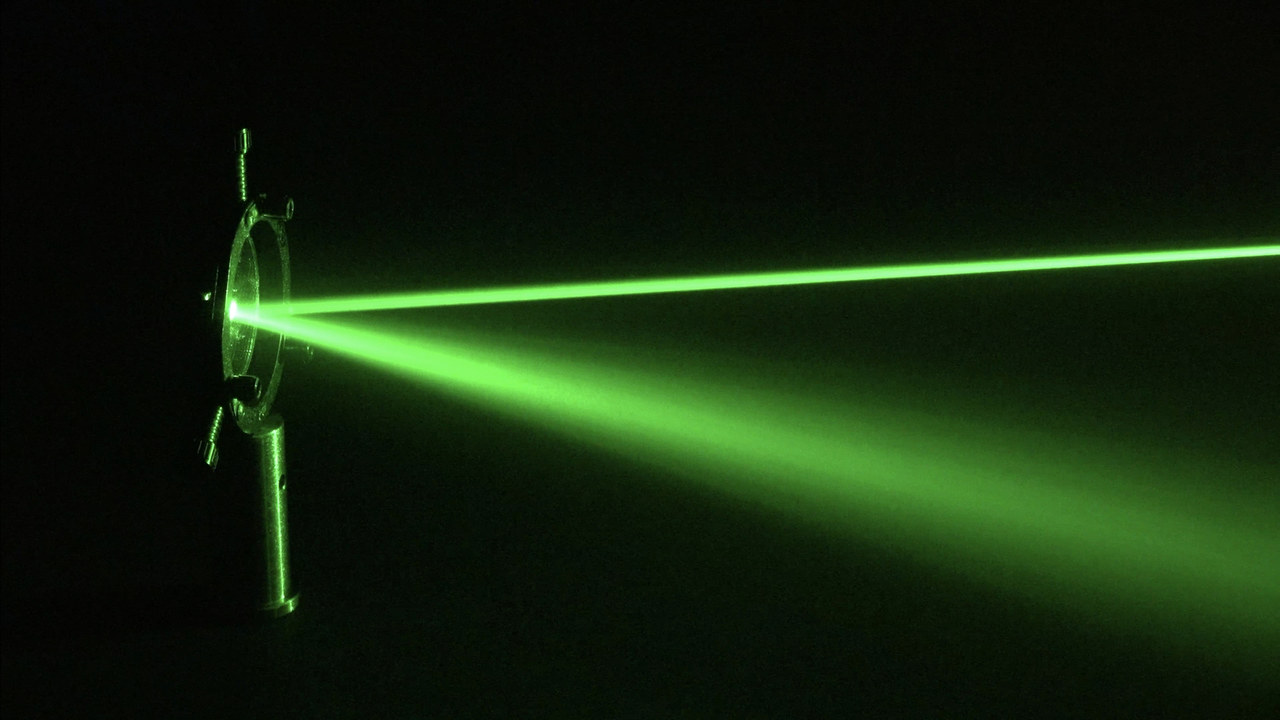
Chinese researchers demonstrated the first successful wireless charging of a drone using a high-powered laser, according to work published this month. The achievement marks a critical step toward extending flight duration for unmanned aircraft without requiring landing or battery swaps.
The team used a laser beam to transmit energy to photovoltaic cells mounted on the drone's body. The laser maintained a precise lock on the aircraft during flight, converting light energy into electrical power that recharged the onboard battery. This approach bypasses the limitations of conventional wireless charging methods, which typically operate only at close range or require the device to remain stationary.
The breakthrough addresses a fundamental constraint in drone operations. Current battery technology limits flight time to 20-30 minutes for most commercial drones. Mid-air charging eliminates the need for frequent landings and battery replacements, enabling longer surveillance missions, extended search-and-rescue operations, and continuous monitoring applications. The system works even when the drone moves, a technical achievement that required precise laser targeting and stabilization.
The research builds on decades of work in laser-based power transmission, a field that has struggled with efficiency losses and safety concerns. The Chinese team optimized the laser wavelength and receiving photovoltaic array to minimize energy waste during transmission. They also implemented automated tracking systems to keep the laser beam centered on the drone as it moves through space.
Practical deployment faces hurdles. Atmospheric conditions like clouds, rain, and dust scatter laser light and reduce charging efficiency. Safety regulations around high-powered lasers remain underdeveloped in most countries. The energy cost of generating and transmitting the laser beam must prove economically favorable compared to traditional charging methods.
The work demonstrates that laser power transmission is no longer purely theoretical. Future iterations could integrate multiple laser stations across a region, creating persistent charging zones for drone swarms performing coordinated tasks. Applications range from infrastructure inspection to disaster response, where drones could operate indefin