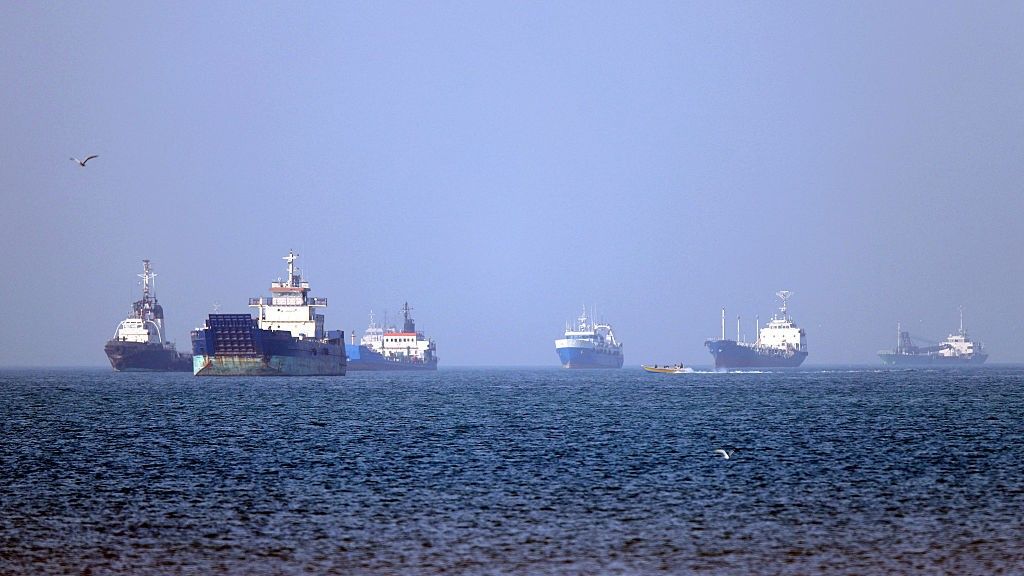
A growing fleet of idle vessels in the Strait of Hormuz presents an unexpected biological threat, according to researchers monitoring the region. More than 1,000 ships stalled in the waterway create conditions ripe for what scientists describe as a "superspreader" event for invasive marine species and pathogens.
Ships' ballast water, a standard operational necessity that prevents vessel instability, accumulates organisms from one port and releases them at another. When vessels remain stationary for extended periods, ballast tanks become biological incubators. Dormant eggs and larvae of invasive species undergo metabolic changes in standing water, potentially triggering mass reproduction cycles. Scientists warn that when these ships eventually resume transit, they could release unprecedented concentrations of invasive organisms simultaneously into new marine ecosystems.
The Strait of Hormuz, one of the world's most critical shipping channels, handles roughly 30 percent of global maritime petroleum trade. Its closure disrupts far more than commerce. The ecological implications span from coral reef destruction to the collapse of fisheries that feed hundreds of millions of people. Invasive species introduction could trigger cascading ecosystem failures across the Indian Ocean and beyond.
Previous biological invasions, such as zebra mussels in the Great Lakes and lionfish in the Atlantic, demonstrate how ballast-water transport can devastate local species and economies. A superspreader event from the Strait of Hormuz would operate at continental scale with multiple invasion fronts simultaneously.
Researchers emphasize that current international ballast water management protocols, while improving, remain insufficient for prolonged vessel idling scenarios. Enhanced monitoring and emergency ballast treatment protocols are necessary before ships resume full operations.
The economic calculus of shipping delays suddenly includes environmental costs previously overlooked. Resolution of the Strait closure carries implications extending far beyond port operations and insurance claims, reaching into fundamental questions about ocean health and food security for coastal nations globally