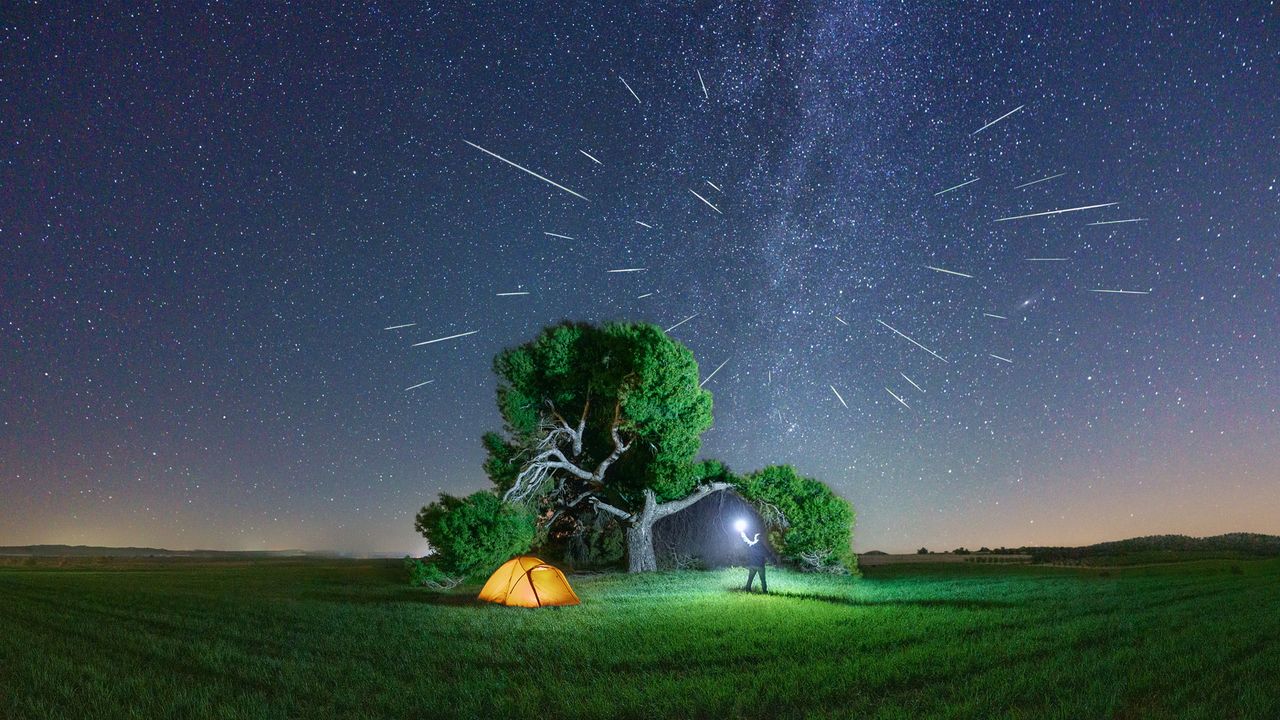
August 12, 2026 brings a rare convergence of two major astronomical events: a solar eclipse and the peak of the Perseid meteor shower. Skywatchers planning to observe both phenomena need specialized equipment and proper preparation.
Solar eclipse observation requires certified solar binoculars or eclipse glasses that meet ISO 12312-2 standards. Regular binoculars and telescopes can damage eyesight permanently without proper solar filters. Smart telescopes with built-in solar tracking capabilities offer hands-free viewing for those willing to invest in the technology.
For meteor watching, minimal equipment suffices. The Perseid peak delivers up to 100 meteors per hour under ideal conditions, visible to the naked eye. Camp chairs designed for prolonged outdoor viewing reduce neck strain during hours of skygazing. Reclining chairs positioned away from ground-level heat radiation improve comfort and viewing angles.
Location matters enormously. Light pollution drastically reduces meteor visibility. Observers should travel to designated dark sky sites, often 50 miles or more from urban centers. The Perseid radiant appears in the Perseus constellation, reaching optimal elevation in the pre-dawn hours.
Practical considerations include insect protection, warm clothing for cool nights, and backup power for electronic devices. Stargazing tents with clear panels allow observers to watch without leaving shelter. Portable red-light headlamps preserve night vision better than white light.
Timing proves critical. The eclipse window opens and closes within minutes depending on geographic location. Perseid meteors peak around 4 to 5 a.m. local time, requiring early morning dedication.
This convergence occurs rarely. The last comparable event combining a significant eclipse with a major meteor shower peak happened decades ago. Proper preparation transforms August 12 from a casual sky observation into a memorable astronomical event.