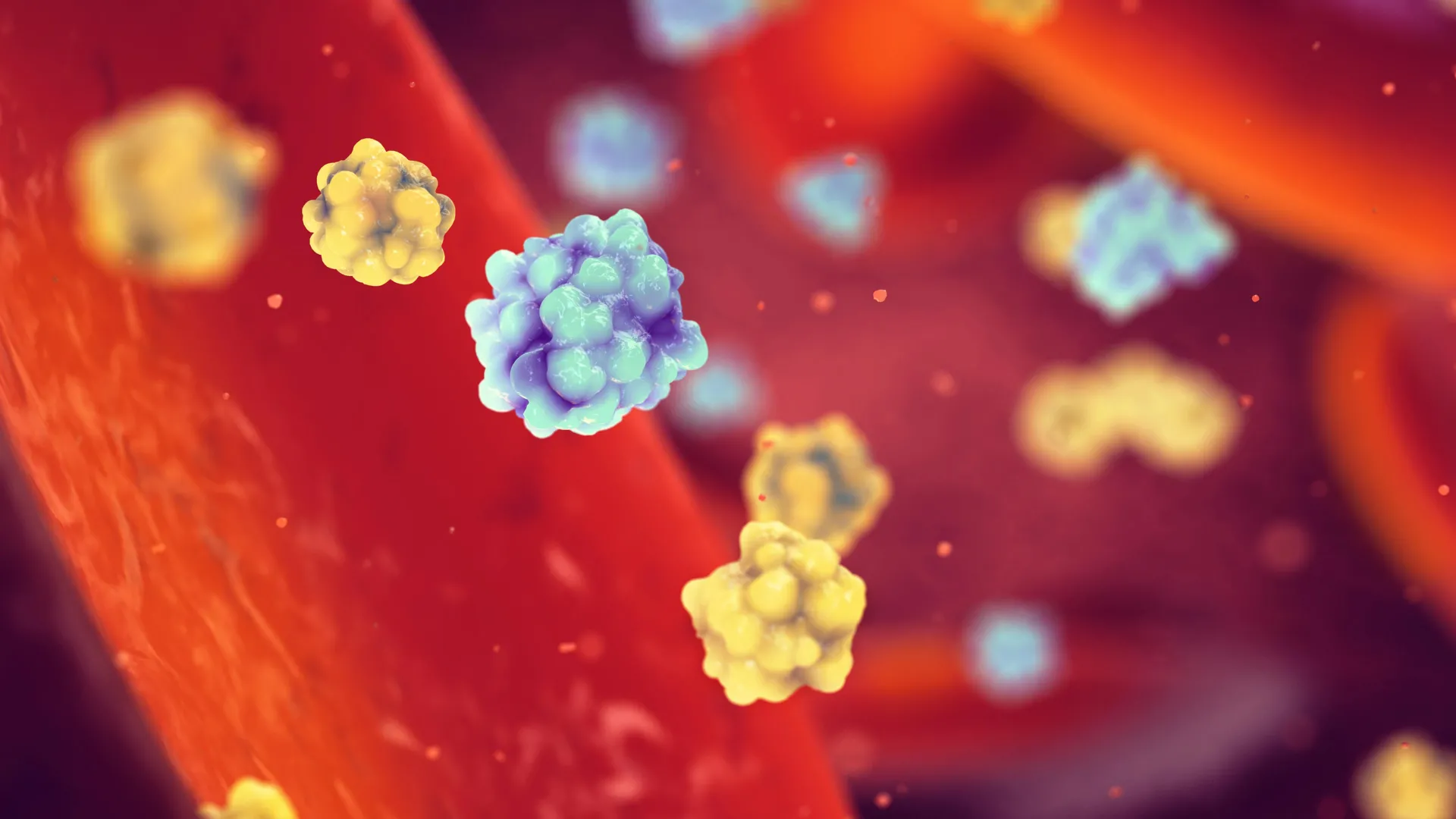
Insulin-producing beta cells rely on a quality control system to prevent protein damage, and disrupting this system may accelerate type 2 diabetes, according to new research.
Scientists discovered that beta cells depend on helper proteins to maintain proper insulin folding. When researchers removed one critical partner in this system, misfolded insulin accumulated and cells produced substantially less functional insulin. This finding suggests that protein misfolding contributes to beta cell failure in diabetes, beyond the traditional focus on insulin resistance and blood sugar control.
The research reveals a previously underappreciated mechanism driving diabetes progression. Beta cells normally use molecular chaperones and protein degradation pathways to eliminate damaged proteins before they accumulate into toxic clumps. When this quality control system breaks down, insulin production plummets. The study indicates that strengthening these protective mechanisms could preserve beta cell function and slow diabetes development.
This work opens a new therapeutic avenue. Current diabetes treatments primarily target insulin resistance or stimulate remaining beta cells to work harder. A drug that fortifies the protein-folding machinery could address root cause of beta cell death rather than just managing symptoms. Researchers note that this approach might prove especially valuable early in diabetes progression, before too many cells are permanently damaged.
The findings apply primarily to type 2 diabetes, where beta cells gradually fail over time. Type 1 diabetes involves autoimmune destruction, a different mechanism entirely. The study also suggests why beta cells are uniquely vulnerable. These cells produce extraordinary amounts of insulin, placing immense demands on their protein-folding systems. When that system falters, consequences arrive quickly.
Further research must determine whether this mechanism explains beta cell failure in actual patients and whether existing compounds can safely boost these protective pathways. Animal studies have shown promise, but human trials remain necessary. The work represents progress toward preserving pancreatic function before diabetes becomes irreversible.