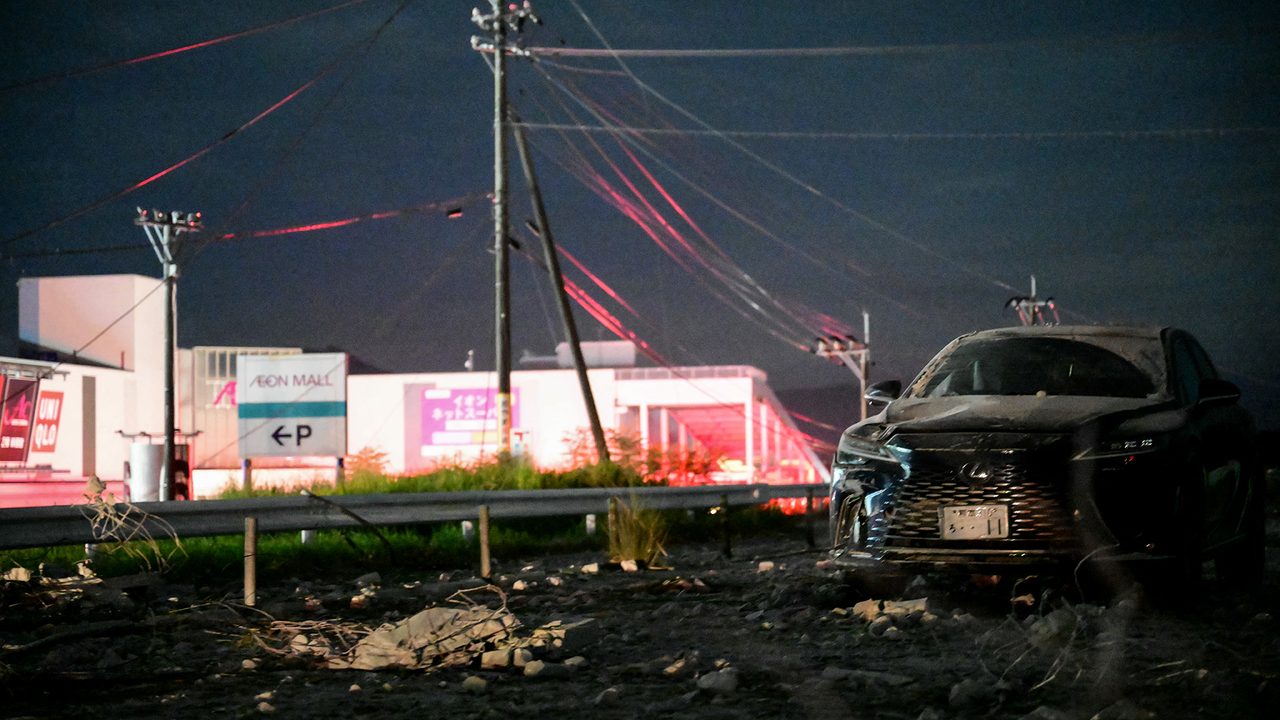
A magnitude 6.8 earthquake struck southwestern Japan, collapsing a shopping mall and trapping people inside. The inland quake proved unusual in several ways that concern seismologists monitoring the region.
Japan sits on the Pacific Ring of Fire, where tectonic plates collide frequently. Most destructive earthquakes occur along coastal subduction zones where oceanic plates slide beneath continental crust. This inland event differed from that typical pattern.
The earthquake's location within the continental plate itself rather than at a plate boundary made it notable. Inland earthquakes can sometimes indicate stress redistribution across broader regions following larger seismic events. The mall's collapse reflected the structure's vulnerability to strong shaking despite Japan's strict building codes, which typically prioritize newer construction in seismic zones.
Damage to infrastructure and the trapping of shoppers highlighted both the unpredictability of inland quakes and the challenges they pose to urban centers not always designed for such events. Japan's Meteorological Agency and seismologists studying the event noted the unusual inland location required reassessing hazard maps and stress patterns in the region.
Aftershocks present ongoing risks. Magnitude 6+ events commonly trigger sequences of smaller quakes that can destabilize already compromised structures and complicate rescue and recovery operations. Scientists warned that residents should expect continued seismic activity for weeks following the main shock.
The earthquake underscores Japan's persistent vulnerability despite decades of earthquake preparedness investment. While coastal subduction zones receive intensive monitoring, inland seismic hazards remain harder to predict. This event will likely prompt engineers and seismologists to review building standards in inland areas and refine models of stress distribution within continental plates.
The mall collapse and trapped shoppers also highlight the human cost of sudden seismic events. Rescue operations required immediate coordination across local and national emergency agencies.