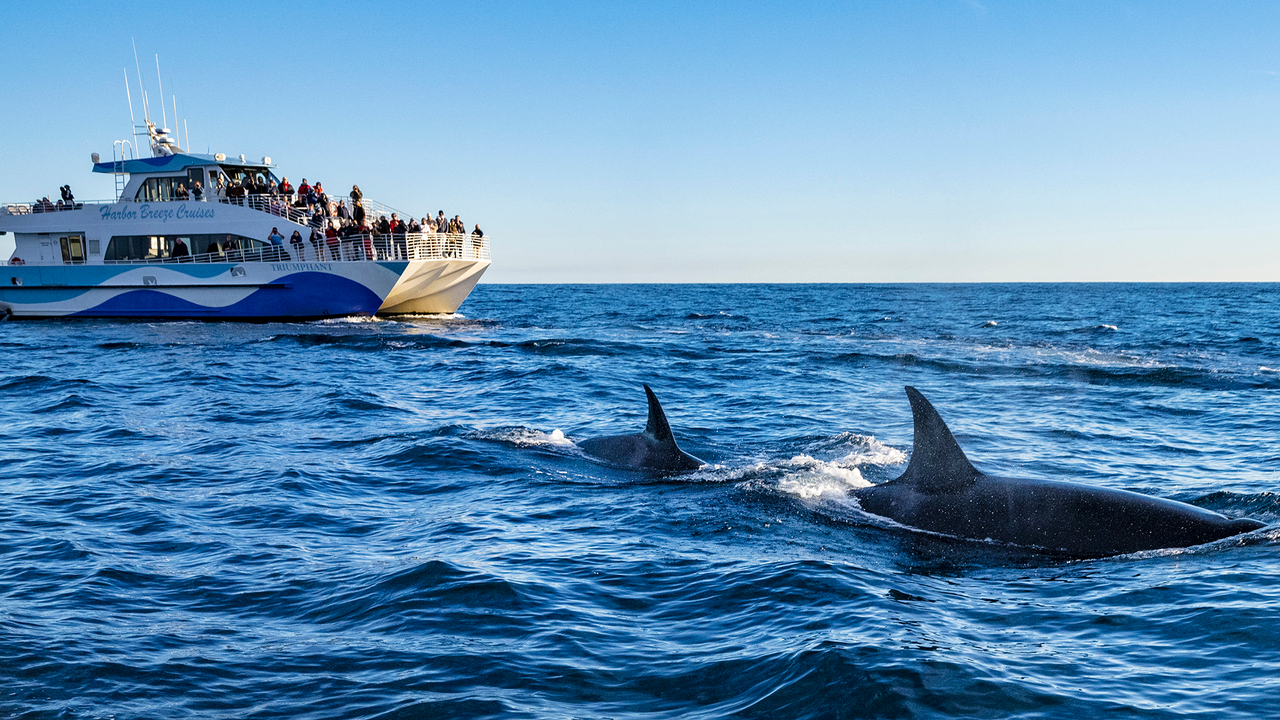
An endangered pod of killer whales off the Iberian Peninsula has deliberately sunk at least eight boats since 2020, continuing a behavior that has puzzled marine biologists and boat owners alike. The latest incident struck a sailboat near the Spanish coast, adding to a six-year pattern of targeted interactions with vessels in the region.
The orcas, part of a small population in the Strait of Gibraltar, have become known for ramming and puncturing boat hulls with apparent coordination. Some observers have speculated the attacks represent revenge for previous harm, but scientists studying the behavior offer different explanations. Rather than retaliation, researchers point to learned behavior, resource competition, or social transmission within the tight-knit pod.
The most plausible theory centers on the whales' interaction with fishing vessels and boats that may interfere with their hunting. Orcas demonstrate remarkable intelligence and social learning. A behavior adopted by one individual can spread through the pod and persist across generations. What begins as a defensive response or reaction to a specific threat can become ritualized within the group.
Another consideration involves the pod's diet and fishing patterns. These orcas hunt large fish, particularly tuna. Commercial and recreational boats operating in the same waters may compete for resources or interfere with feeding. The focused nature of the interactions, concentrated in specific regions during certain seasons, supports this hypothesis over indiscriminate aggression.
The population itself faces conservation challenges. Numbered at fewer than 50 individuals, the pod remains genetically isolated and vulnerable. Stress from human activity, pollution, and reduced prey availability create pressures that may amplify aggressive behaviors toward vessels.
Spanish and Portuguese authorities have implemented measures including speed restrictions in sensitive areas and acoustic deterrents, with mixed results. No boats have been sunk since July 2023, though encounters continue. Marine conservation groups emphasize that understanding rather than punishment offers the best path