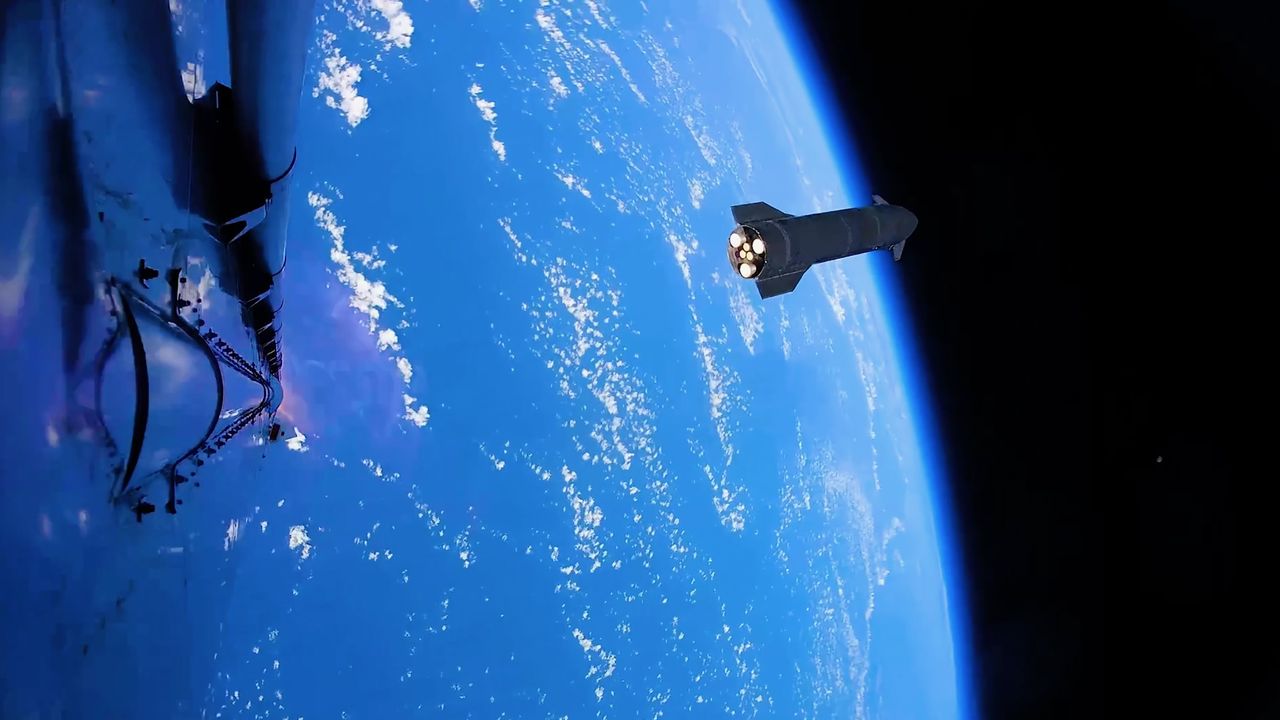
SpaceX's Starship completed its 13th test flight, advancing the company's development of the most powerful operational rocket in the world. The full-stack test, which combines the Super Heavy booster and the Starship upper stage, progressed through multiple flight objectives during the latest iteration.
The test flight demonstrated continued progress toward SpaceX's goal of achieving rapid reusability and eventual lunar and Mars missions. Each test iteration builds on data from previous flights, with engineers refining vehicle performance, propulsion systems, and recovery capabilities.
Starship flights have become increasingly sophisticated. Recent tests have focused on demonstrating key milestones like booster catch mechanisms at the launch tower, stage separation improvements, and upper stage reentry procedures. The 13th flight appears to have executed its planned test objectives successfully, generating impressive footage of the massive 120-meter-tall vehicle in operation.
The booster, which measures 70 meters tall and produces 33 million pounds of thrust at liftoff, continues to be refined for controlled return and potential catch by the launch tower's mechanical arms. The upper stage undergoes increasingly complex reentry and landing simulations, with each flight gathering telemetry on thermal protection systems and control authority during atmospheric return.
SpaceX CEO Elon Musk has outlined an aggressive timeline for Starship development, with the vehicle intended to support missions including lunar lander operations for NASA's Artemis program and eventual crewed missions to Mars. The company operates under an iterative testing philosophy, accepting failures and learning from each flight to accelerate development timelines.
The 13th test flight's success reflects the engineering effort across SpaceX's development teams. Starship testing occurs at the Starbase facility in Boca Chica, Texas, where SpaceX maintains launch and development infrastructure. Subsequent flights will continue addressing engineering challenges and validating systems required