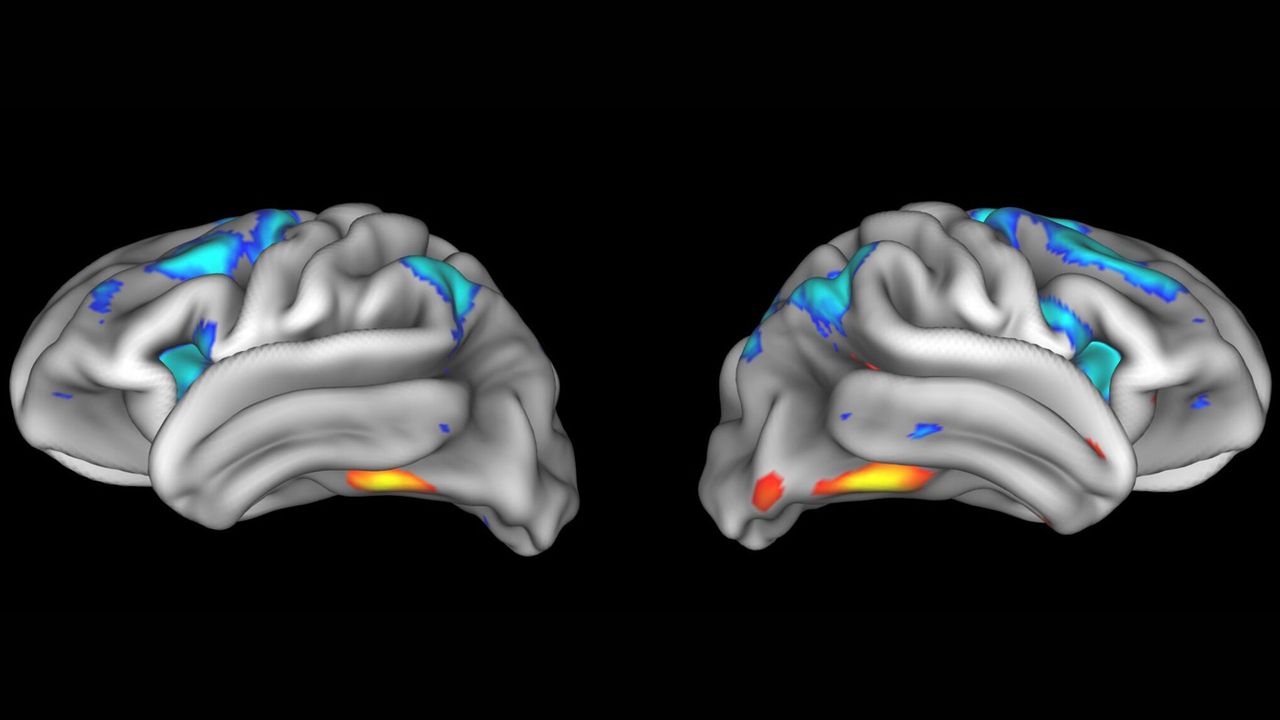
Researchers have discovered that many landmark neuroscience studies produce results that cannot be replicated in follow-up investigations, undermining confidence in fundamental knowledge about how the brain works.
The problem centers on brain imaging research, where initial findings from well-known studies fail to emerge when other scientists attempt to reproduce the work. This replication crisis extends to studies that have shaped current understanding of neural function and behavior. Live Science reports that several foundational imaging studies simply do not hold up under scrutiny.
Replication failures in neuroscience matter because brain imaging forms the backbone of modern neurobiology. When researchers cannot reproduce core findings, it casts doubt on theories built atop those results. The implications ripple through clinical research, psychiatric treatment, and cognitive science.
Several factors contribute to the problem. Brain imaging studies often work with small sample sizes, making results vulnerable to statistical noise. Researchers may unconsciously bias analyses toward positive findings. Publication bias favors dramatic results over null findings, creating a distorted scientific record. Complex statistical methods allow flexibility in data interpretation, sometimes leading to false positives that vanish in replication attempts.
The field's reliance on proprietary software and inconsistent protocols compounds difficulties. When different laboratories use different equipment, preprocessing methods, or analytical approaches, comparing results becomes nearly impossible. Researchers often lack detailed information about others' exact procedures, preventing true replication.
Some neuroscientists now advocate for stricter standards. Larger sample sizes, preregistered analyses, transparent data sharing, and open-source software could strengthen the field. The Open Science Framework and similar initiatives push researchers toward reproducibility before publication.
This replication challenge does not mean neuroscience findings are worthless. Rather, it indicates that many studies require validation before claims about brain function enter mainstream understanding. Neuroscientists must distinguish between preliminary findings and robust conclusions.
The crisis prompted soul-searching across the discipline. Major neu