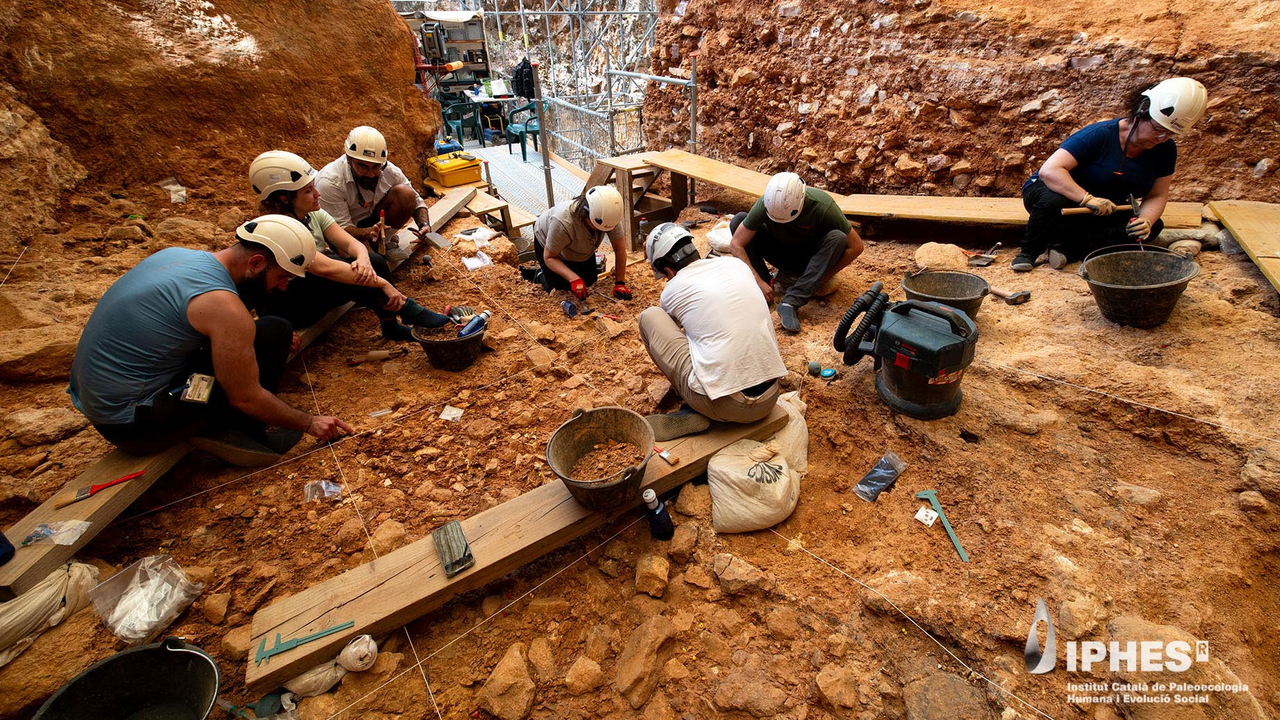
Fossils excavated from Gran Dolina cave in Spain show that an ancient human relative consumed both adult and child members of its own species roughly 850,000 years ago, according to new analysis of the remains. Researchers identified butchering marks consistent with cannibalism on the bones, indicating the practice targeted multiple age groups within the population.
The Gran Dolina site, located in the Atapuerca region of northern Spain, has long served as a critical window into early human behavior. The newly examined fossils belong to Homo antecessor, a hominin species that inhabited Europe during the Pleistocene epoch. Cut marks on the bones match patterns created by stone tool processing, distinguishing them from damage caused by predators or natural decay.
The discovery documents that cannibalism among early humans extended beyond individual isolated incidents. The presence of consumed remains from both adults and juveniles suggests this behavior was not reserved for any particular demographic within the group. However, researchers remain uncertain about the motivations driving the practice. Cannibalism among early hominins could have served nutritional, ritual, or social functions, but the fossil record provides limited evidence for determining which explanation applies in this case.
This finding contributes to ongoing debates about the cognitive and social sophistication of early human ancestors. Intentional processing of human remains indicates at minimum that these individuals possessed the ability to make deliberate choices about food acquisition and preparation. Whether cannibalism held ceremonial significance or represented simple resource utilization remains an open question for archaeologists studying this period.
The research adds to a growing body of evidence suggesting cannibalistic practices occurred repeatedly among various hominin species across different time periods and geographic regions. Each new discovery provides researchers with additional context for understanding how early humans and their relatives organized their societies and responded to environmental pressures.