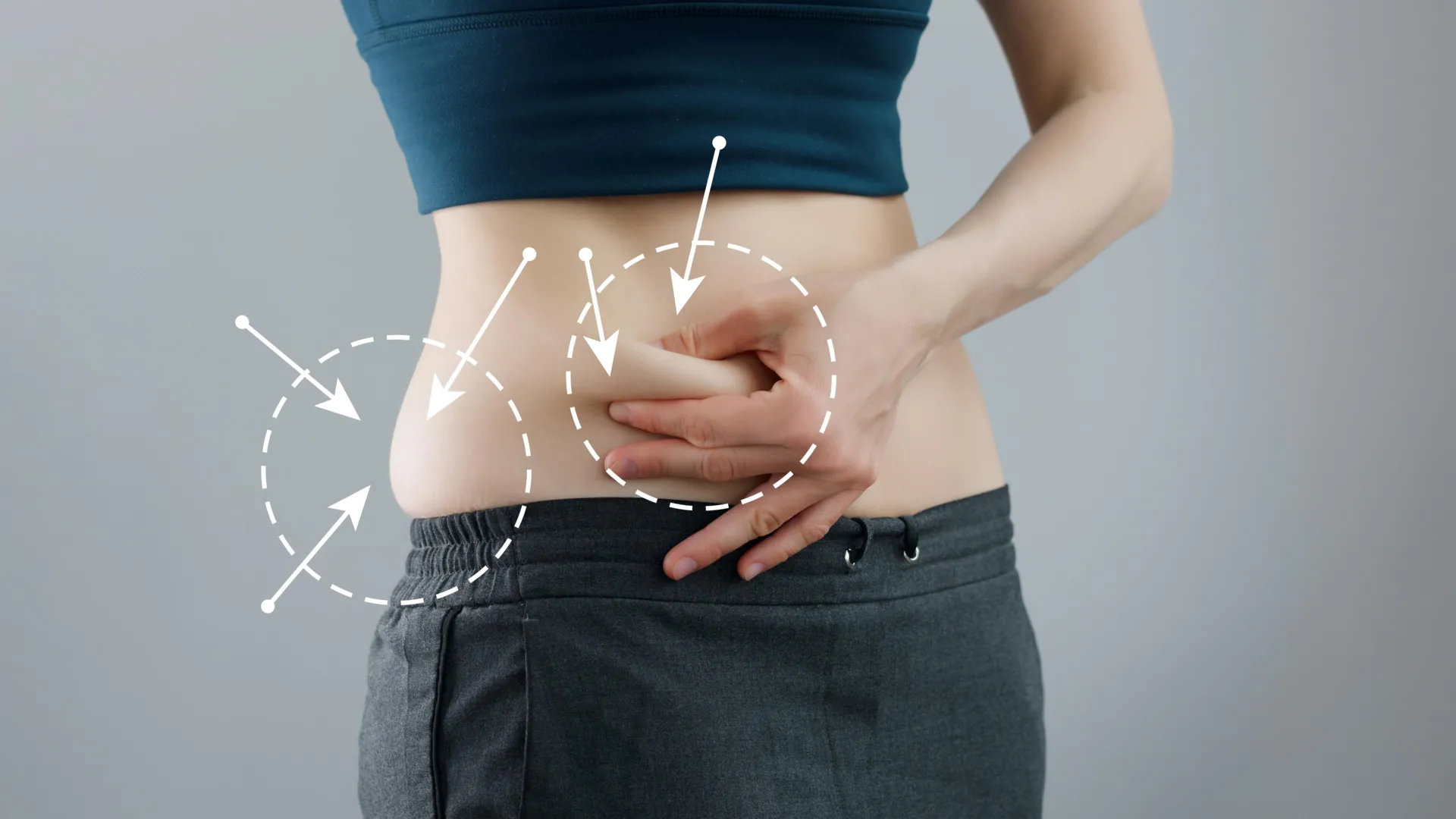
Researchers have identified a metabolic paradox: the body needs healthy fat tissue to prevent diabetes, and losing the wrong type of fat can actually trigger the disease. When fat cells become damaged, they undergo inflammation, lose their capacity to store lipids, and ultimately disappear. This cellular breakdown disrupts metabolic processes that normally protect against diabetes.
The discovery challenges the conventional view that diabetes stems solely from carrying excess weight. Instead, the quality and health of fat tissue matters as much as its quantity. Healthy fat cells function as metabolic regulators, storing energy and producing hormones that help control blood sugar. When these cells deteriorate, the body loses these protective functions.
The mechanism works like this: damaged fat cells cannot perform their storage role efficiently. Inflammation sets in as the cells malfunction. Eventually they die and vanish from the tissue altogether. This loss of functional fat tissue forces the body to store excess lipids in other organs, including the liver and muscles, where they impair insulin sensitivity and glucose metabolism. The result is diabetes, even in individuals who might not be overweight by conventional measures.
This finding has important implications for how doctors assess diabetes risk. Body mass index and total fat mass alone may not reveal who faces metabolic danger. Two people of identical weight could have vastly different diabetes risk depending on whether their fat tissue remains healthy and functional or has become inflamed and dysfunctional.
The research also explains why some thin individuals develop type 2 diabetes and why certain weight loss strategies can sometimes worsen metabolic health. Rapid fat loss without regard to preserving healthy tissue structure may eliminate the very cellular machinery the body relies on for glucose regulation.
Understanding this distinction opens new therapeutic avenues. Rather than simply reducing fat mass, treatments might focus on protecting and maintaining healthy fat tissue function while removing only the problematic, inflamed cells. This could prevent or reverse diabetes through metabolic restoration rather than weight loss alone