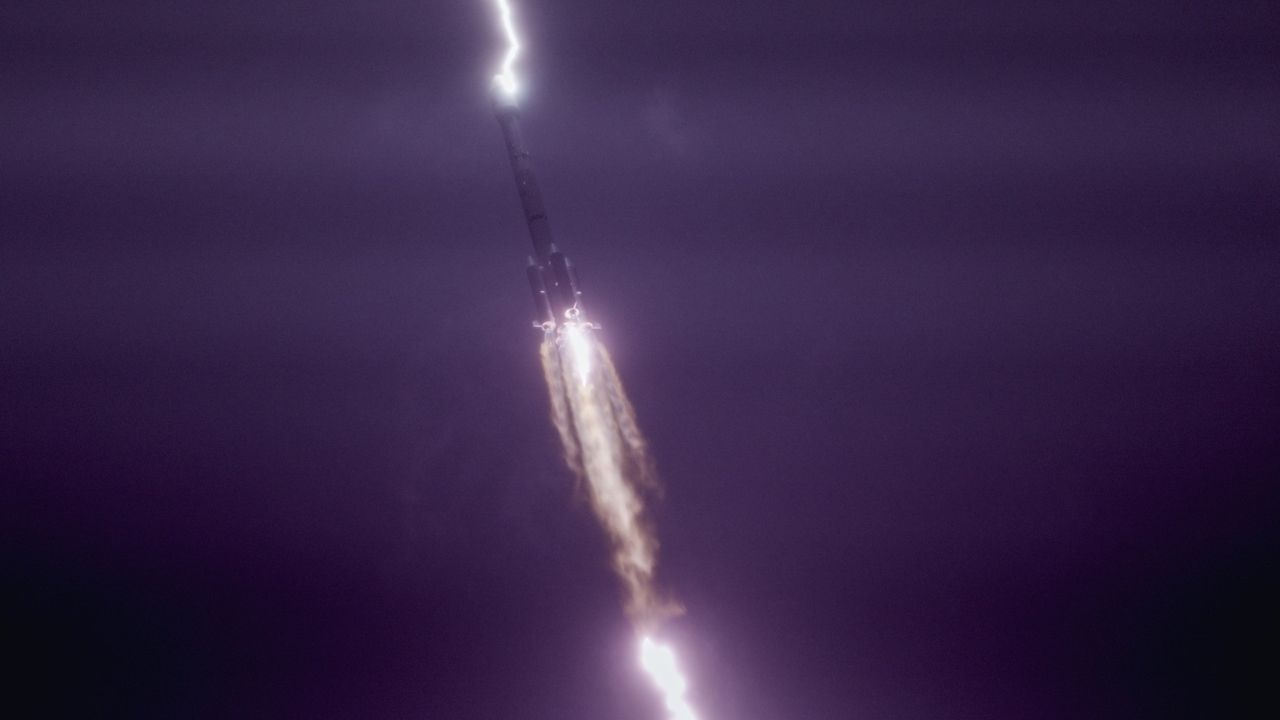
A Long March-3B rocket carrying a satellite payload survived a lightning strike during its ascent this week and successfully completed its mission, according to Space.com reports. The dramatic strike occurred shortly after liftoff from a Chinese launch facility.
The incident underscores the inherent risks of rocket launches during conditions conducive to electrical storms. Lightning poses a genuine threat to rockets during the vulnerable early phases of flight, when the vehicle ascends through the lower atmosphere where thunderstorm activity concentrates. The electrical discharge can damage sensitive avionics, guidance systems, and structural components if it penetrates the rocket's protective systems.
Long March rockets, China's primary launch vehicle family, incorporate lightning protection measures developed through decades of spaceflight experience. These protections include conductive pathways that channel electrical current around critical systems and shielding that prevents electromagnetic interference from disrupting onboard computers and communications equipment.
The successful completion of this mission despite the lightning strike demonstrates the robustness of the rocket's engineering. Chinese space officials have not disclosed specific details about the strike's intensity or the extent of any damage to the vehicle's systems. The fact that the rocket reached orbit and deployed its satellite payload suggests that the protection systems functioned as designed, allowing the electrical current to dissipate without catastrophic effects.
This incident joins a historical record of rockets that have experienced lightning strikes and continued operating safely. Weather monitoring remains a critical component of launch operations, with mission teams tracking atmospheric conditions and delaying flights when lightning risk exceeds acceptable thresholds.
The specific satellite payload and its operational purpose have not been detailed in initial reports. Chinese space authorities typically classify many mission details, limiting public information about launches beyond basic orbital parameters and vehicle performance data.