# Summary
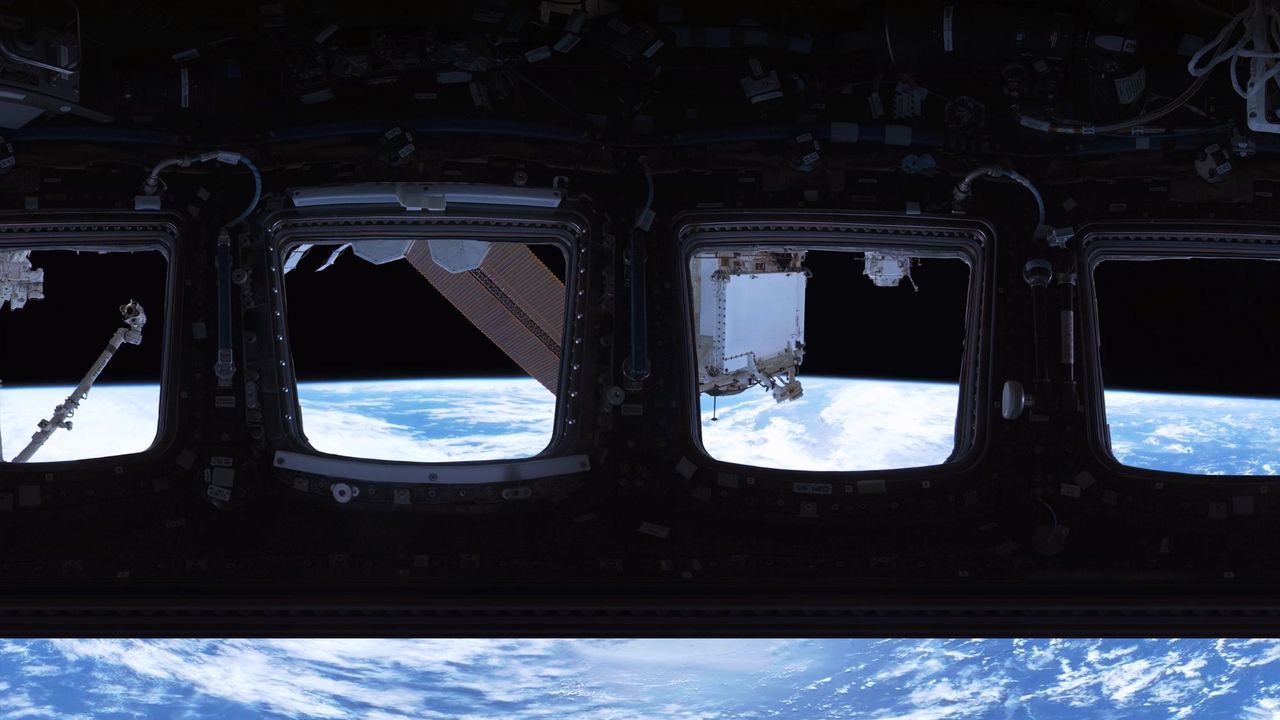
A contributor reflects on the wonder of the International Space Station's continued operation, emphasizing the achievement of maintaining a permanent human presence in orbit. The ISS represents decades of international cooperation, engineering, and sustained commitment to space exploration. The station orbits Earth roughly 250 miles above the surface, serving as a laboratory for research in microgravity that would be impossible to conduct on the ground.
The ISS hosts rotating crews from multiple nations, including the United States, Russia, Europe, Japan, and Canada. Scientists aboard conduct experiments in biology, physics, materials science, and Earth observation. The station also serves as a testbed for technologies needed for deeper space exploration, including life support systems and long-duration spaceflight procedures.
The author's reflection captures a broader truth about space infrastructure. The ISS launched its first module in 1998 and has maintained continuous human occupation since 2000, surviving technical failures, political tensions, and budget pressures. Its existence depends on regular resupply missions, crew rotations, and constant maintenance. Each day the station remains operational represents a collective choice by multiple governments and space agencies to fund and prioritize this endeavor.
The quote underscores how easily we overlook routine miracles of engineering and cooperation. The ISS operates at the intersection of science, international diplomacy, and human ambition. Its continued existence is neither guaranteed nor inevitable, yet it persists as a symbol of what humans can accomplish when pursuing knowledge and exploration together. The station remains one of the most visible signs of humanity's reach beyond Earth, orbiting overhead multiple times daily where observers with clear skies and proper timing can watch it pass.