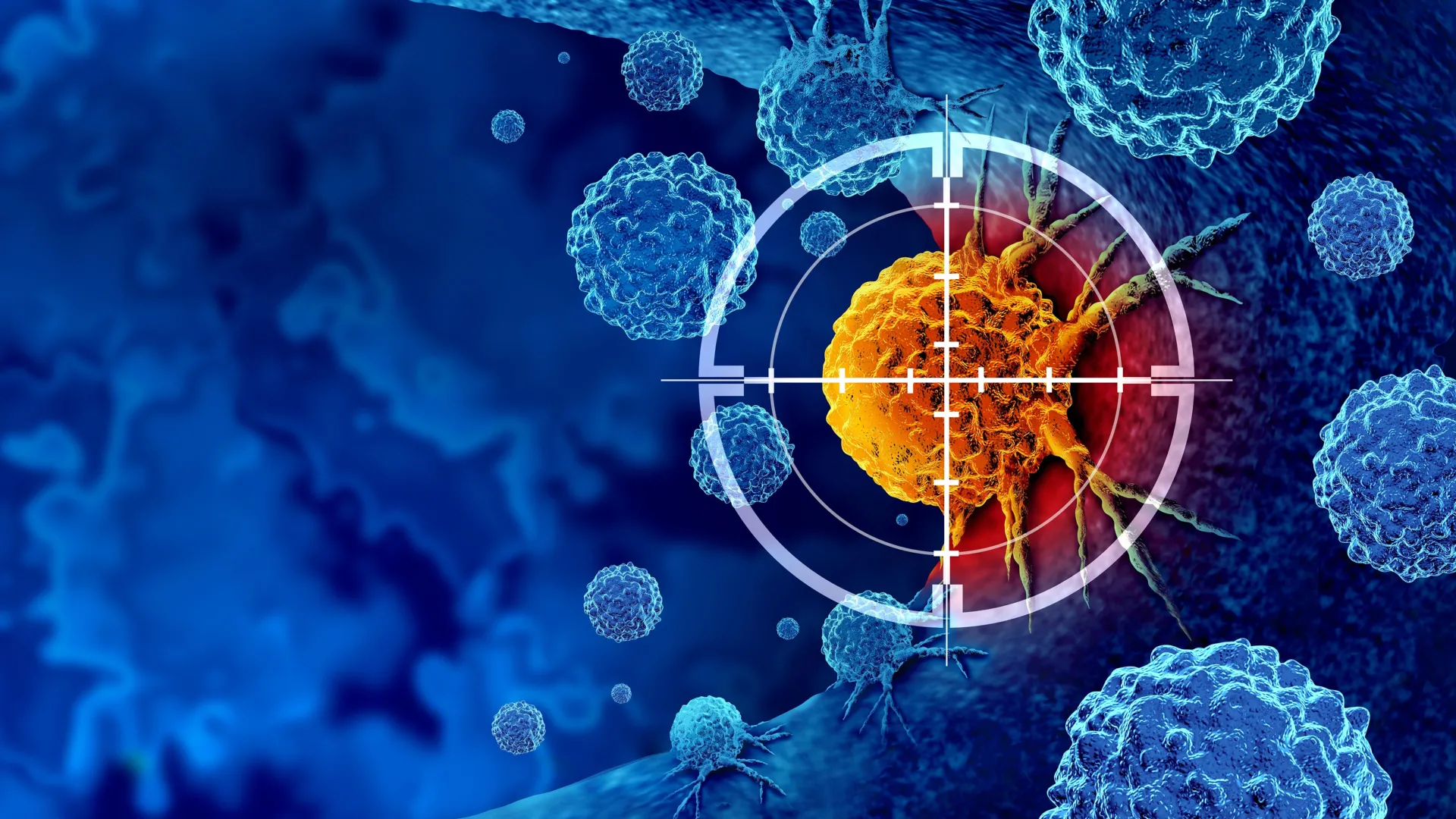
Researchers have combined CRISPR gene editing with immunotherapy to attack prostate cancer from two angles simultaneously. The technique uses CRISPR to disable genes that allow cancer cells to hide from the immune system, making them vulnerable to checkpoint inhibitor drugs that unleash the body's natural defenses.
In mouse models, the dual approach produced dramatic results. Tumors shrank substantially and survival rates improved compared to either treatment alone. The findings suggest that CRISPR-edited cancer cells lose their ability to evade immune recognition, essentially removing their invisibility cloak.
Prostate cancer has proven resistant to checkpoint inhibitor immunotherapies on their own, which work well against melanoma and some lung cancers. The new strategy targets this vulnerability. By knocking out specific genes involved in immune evasion, the CRISPR-modified cells become recognizable targets for T cells and other immune components activated by checkpoint inhibitors.
The research represents a significant advance in precision cancer medicine. Rather than relying on a single mechanism to fight cancer, the combination exploits two distinct pathways. CRISPR handles the immunosuppression while immunotherapy handles the immune activation.
However, substantial hurdles remain before this reaches patients. Delivering CRISPR to prostate tumors inside the human body presents technical challenges. Gene editing in living tissue requires precise targeting to ensure the right cells are modified while minimizing off-target effects. Researchers must also confirm that edited cells don't develop dangerous mutations or trigger unexpected immune responses.
The team plans to explore whether this combination works against other tumors that resist standard immunotherapy. Ovarian cancer, pancreatic cancer, and other solid tumors with similar immune-evasion mechanisms could potentially benefit from the same approach.
The work demonstrates how combining emerging technologies can overcome cancer's adaptations. Rather than waiting for cancer cells to develop resistance to single treatments, this strategy