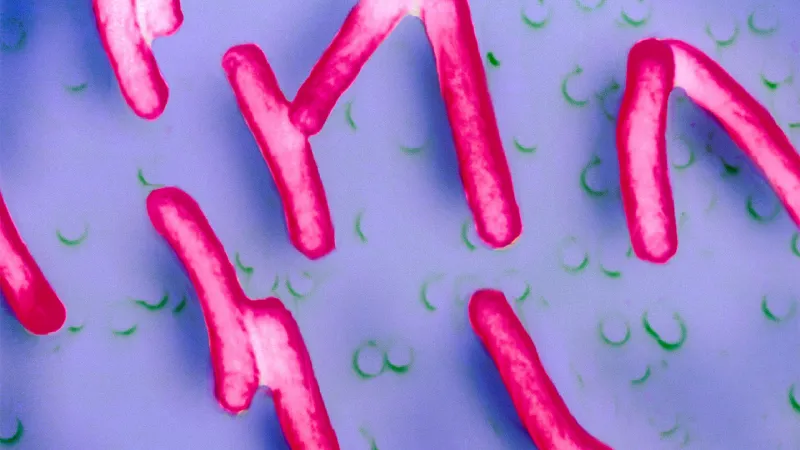
Researchers have developed an experimental oral vaccine that shows promise against Shigella, a bacterium responsible for roughly 450,000 infections annually in the United States. The vaccine demonstrated protection in a small human trial involving adult participants.
Shigella causes invasive bacterial diarrhea, a condition marked by bloody stools, severe cramping, and dehydration. The infection spreads rapidly in crowded settings and disproportionately affects children under five in developing nations, where it kills thousands yearly. Antibiotic resistance complicates treatment, making vaccine development a public health priority.
The trial tested an oral formulation, meaning participants swallowed the vaccine rather than receiving an injection. This delivery method offers practical advantages for vaccination programs, particularly in resource-limited settings where refrigeration and trained medical staff are scarce. Oral vaccines also trigger immune responses in the intestinal tract, where Shigella causes infection.
The research team measured antibody responses and clinical protection in vaccinated adults. Results indicated the vaccine generated immune responses and provided protection against infection, though the trial size limits how definitively researchers can assess real-world effectiveness.
Several limitations warrant consideration. The trial enrolled only adults, leaving questions about safety and efficacy in children, the population most vulnerable to severe Shigella disease. The small sample size means larger phase three trials will determine whether protection holds across diverse populations and for how long immunity persists. Researchers must also confirm the vaccine prevents severe disease rather than just infection.
Shigella's continued spread despite improved sanitation in developed nations reflects its high transmissibility. Poor hygiene conditions and contaminated food supplies perpetuate outbreaks in low-income regions. An effective oral vaccine could reduce antibiotic use by preventing infections before they require treatment.
The researchers plan to advance the vaccine through additional clinical testing. Success could yield a tool that protects vulnerable populations and