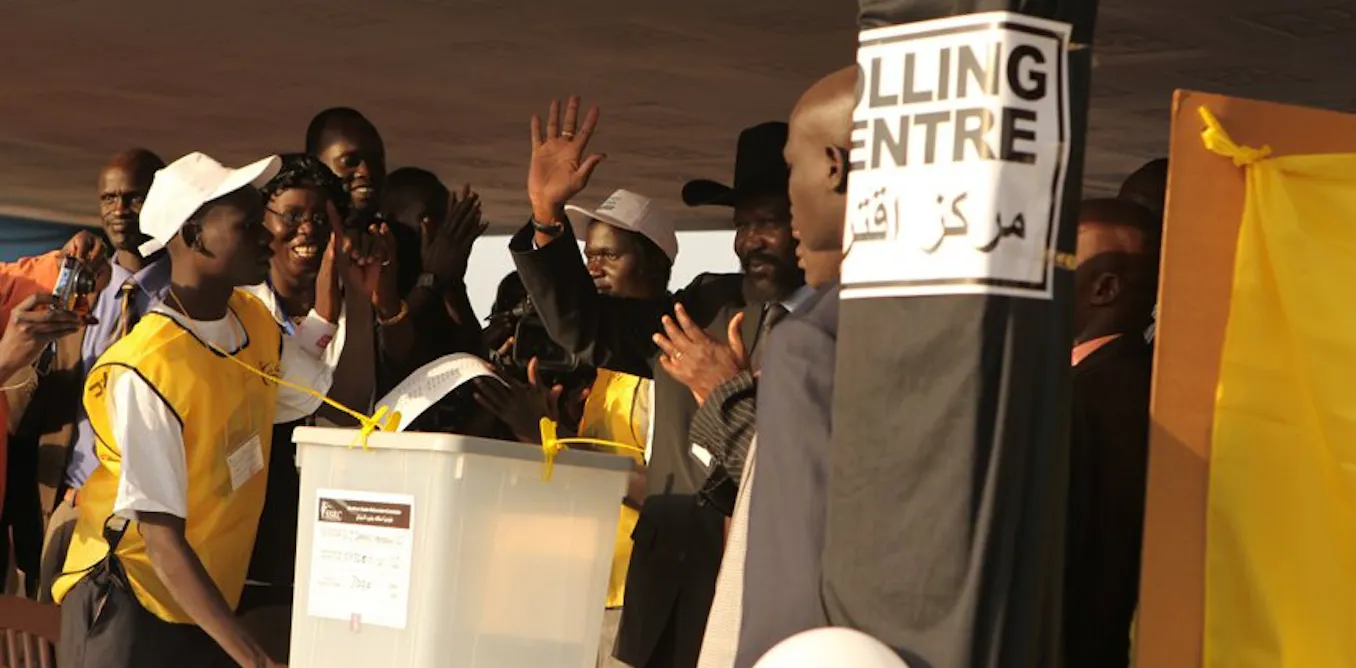
South Sudan faces a critical juncture as it prepares for elections following decades of civil conflict. The nation's first democratic elections since independence represent both an opportunity for political legitimacy and a test of fragile stability.
Election readiness remains incomplete across multiple domains. Voter registration systems lack the infrastructure of established democracies. Electoral commissions operate with limited technical capacity. Security concerns persist in regions still recovering from violence. Yet postponing elections indefinitely carries its own dangers, analysts argue.
Delaying the vote risks deepening political uncertainty and potentially reigniting conflict. Opposition groups may lose faith in the democratic process if deadlines continuously slip. Armed groups could exploit extended transition periods to consolidate power or restart hostilities. Economic paralysis from prolonged electoral limbo threatens reconstruction efforts that fragile states depend on.
Historical precedent offers cautionary lessons. Post-conflict elections in Rwanda, Liberia, and Sierra Leone proceeded despite imperfect preparations, establishing democratic foundations that held. Countries that repeatedly delayed voting, by contrast, often experienced renewed instability or authoritarian backsliding.
South Sudan's path forward requires balancing two competing risks. Perfect electoral conditions prove impossible after prolonged warfare. Citizens lack experience with democratic participation. Displaced populations face barriers to registration and voting. International observers note widespread voter skepticism about promised reforms.
However, the costs of further postponement appear steeper. Each delay erodes confidence in peace agreements and governing institutions. Military factions gain leverage to renegotiate political settlements. Humanitarian needs grow as transition periods extend, straining already depleted resources.
Election experts recommend proceeding with enhanced security measures and simplified voting procedures rather than pursuing unrealistic perfection. Voter education campaigns should begin immediately. Security forces require training in election protection. International support should focus on rapid capacity building rather than comprehensive institutional overhaul.
South Sudan cannot afford the luxury of delay. Imperfect elections anch