# Green Spaces Build Climate Resilience in South African Cities
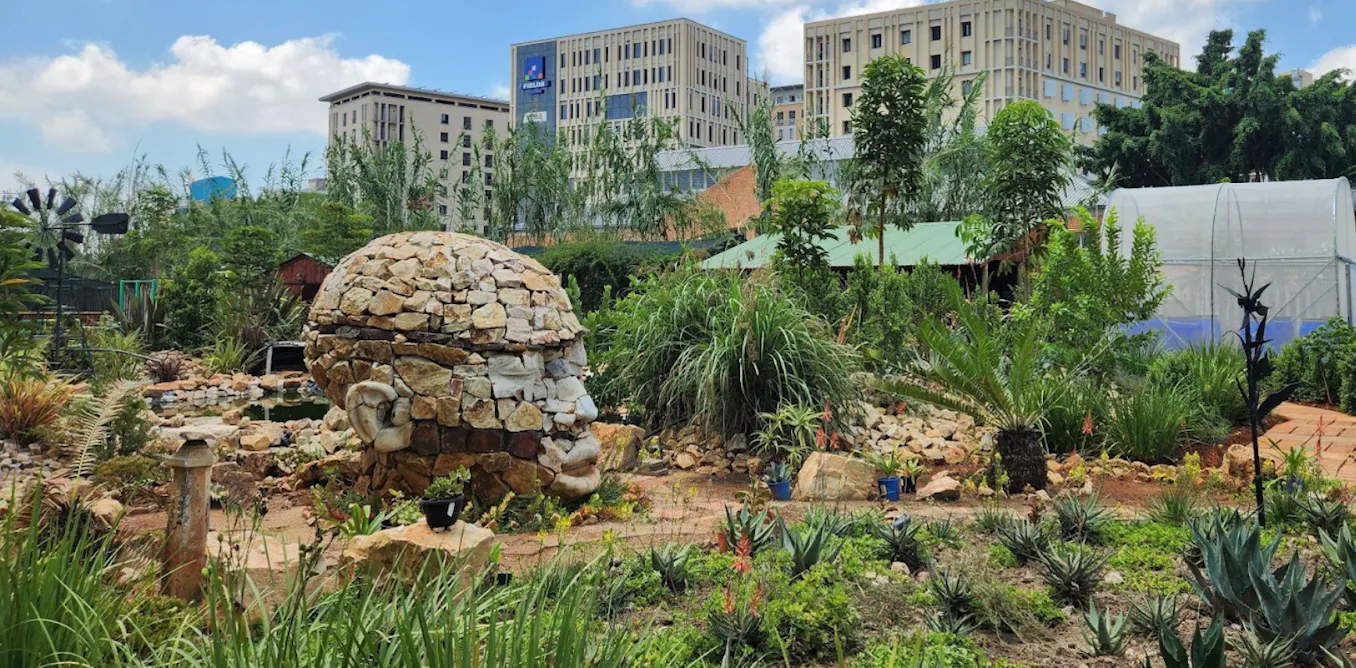
Parks and community gardens function as essential infrastructure for climate adaptation in cities, according to research emerging from South African urban planning initiatives. The findings demonstrate that green spaces reduce urban heat while simultaneously strengthening social cohesion needed for climate resilience.
The research emphasizes a critical condition: communities must participate in designing, managing, and maintaining these spaces for maximum benefit. When residents hold ownership stakes in parks and gardens, they engage more deeply with climate adaptation efforts and develop collective problem-solving capacity.
South African cities face intense heat stress, water scarcity, and flooding driven by climate change. Parks provide direct cooling effects through vegetation and shade, lowering surface temperatures by several degrees. Community gardens add food production capacity, enhancing neighborhood food security during climate disruptions.
Beyond physical benefits, participatory green space management builds social networks that strengthen urban resilience. When neighbors work together on gardens and parks, they establish trust and communication channels that prove valuable during climate emergencies like droughts or storms. This social infrastructure complements the ecological functions of the spaces themselves.
The research reveals that top-down park development fails to generate sustained community engagement. When city planners impose designs without local input, residents neglect maintenance and abandon spaces. Conversely, projects where communities lead planning, hire local workers, and make ongoing management decisions show strong uptake and long-term success.
South African experiences offer models applicable to other African cities and urban centers in the Global South facing similar climate pressures. The lessons also apply to wealthy cities seeking to build equitable climate adaptation strategies. The approach recognizes that climate resilience requires both ecological and social dimensions working together. Parks become vehicles for environmental adaptation and community building simultaneously when residents shape their development and stewardship.