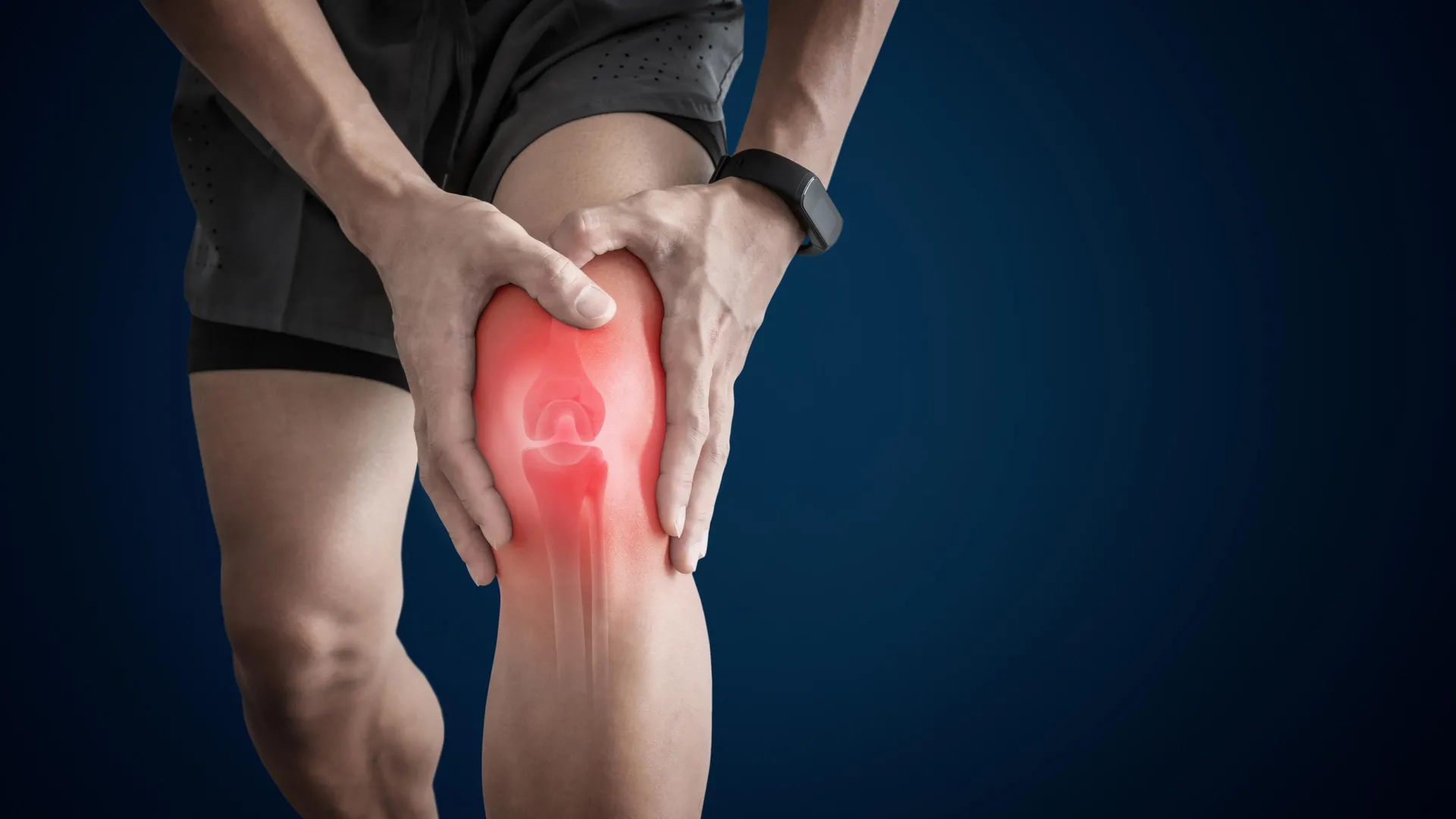
Researchers found that a prebiotic fiber supplement reduced knee osteoarthritis pain and boosted grip strength over six weeks, pointing to an unexpected link between gut health and joint pain.
The trial tested whether dietary fiber affects osteoarthritis by altering the gut microbiome. Participants taking the supplement experienced measurable pain reduction in the knee, along with improved grip strength and reduced overall pain sensitivity. The mechanism appears to involve how gut bacteria influence inflammation and muscle function throughout the body.
This connection between gut microbiota and musculoskeletal health represents an emerging area in medical research. The gut produces metabolites that regulate immune function and inflammation. When the microbiome shifts toward beneficial bacteria through prebiotic feeding, it can reduce systemic inflammation that exacerbates joint pain and weakness.
The six-week timeframe is significant because it suggests rapid effects. Many osteoarthritis treatments require months to show benefits. The improvement in grip strength alongside knee pain reduction indicates the supplement affected muscle function more broadly, not just local joint inflammation.
The researchers note that maintaining a supplement routine may prove simpler than adhering to digital physiotherapy programs, which require ongoing engagement and motivation. Osteoarthritis affects millions globally, and many patients struggle with exercise-based interventions due to pain or mobility limitations.
However, limitations exist. The trial duration was relatively short. Longer studies would clarify whether benefits persist or increase beyond six weeks. The study size and whether it included a proper control group remain unclear from available information. Individual responses to prebiotic supplements vary based on baseline microbiome composition and overall health status.
This work opens avenues for investigating whether fiber supplementation combined with physiotherapy could enhance outcomes beyond either approach alone. Osteoarthritis management typically relies on anti-inflammatory medications with side effects or surgery for advanced cases. A low-risk dietary intervention warrants further investigation in larger, longer trials to