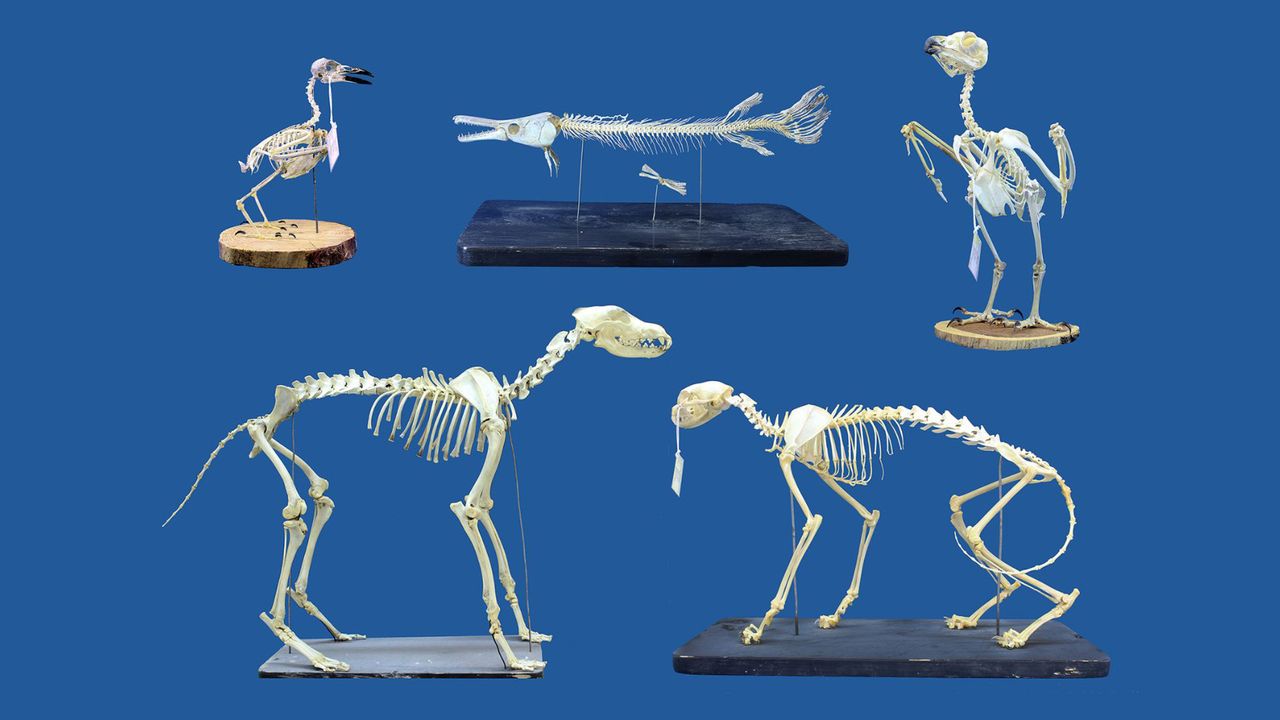
Biologists Niloofar Alaei Kakhki and Morteza Monfared have discovered that beetle larvae, commonly sold as pet food, can safely clean delicate skeletal specimens far faster than traditional methods used in museums and laboratories.
The researchers tested larvae from the mealworm beetle, which grow into "superworms" when fed specific diets. These larvae consume soft tissue from bones with remarkable speed and precision, leaving skeletal structures intact. Traditional cleaning methods rely on chemicals, manual scraping, or maceration, processes that risk damaging fragile specimens and take weeks or months to complete.
"We were genuinely surprised" by how quickly and effectively the larvae worked, Alaei Kakhki told Live Science. The team found that the beetles can process specimens in days rather than the extended timelines required by conventional approaches.
The implications for museum curation are substantial. Natural history museums worldwide maintain millions of specimens requiring periodic cleaning and preparation. Current methods demand careful handling and specialized expertise. Chemical approaches pose safety risks to staff and environmental concerns. The beetle larvae method offers a gentler, faster alternative that produces consistently clean skeletons without damage.
The larvae consume only soft tissue, leaving bone, cartilage, and other hard structures untouched. This selectivity makes them ideal for specimens with delicate features, unusual morphologies, or historical value that cannot withstand aggressive cleaning techniques.
Monfared and Alaei Kakhki's work highlights how understanding animal biology can solve practical problems in scientific institutions. Pet food suppliers already breed these larvae in large quantities, making the approach economically viable and immediately implementable.
Museums have begun adopting the method for preparation and specimen maintenance. The technique works on vertebrate and invertebrate skeletons alike, expanding its utility across natural history collections.
While the research remains preliminary in formal publication, the practical applications