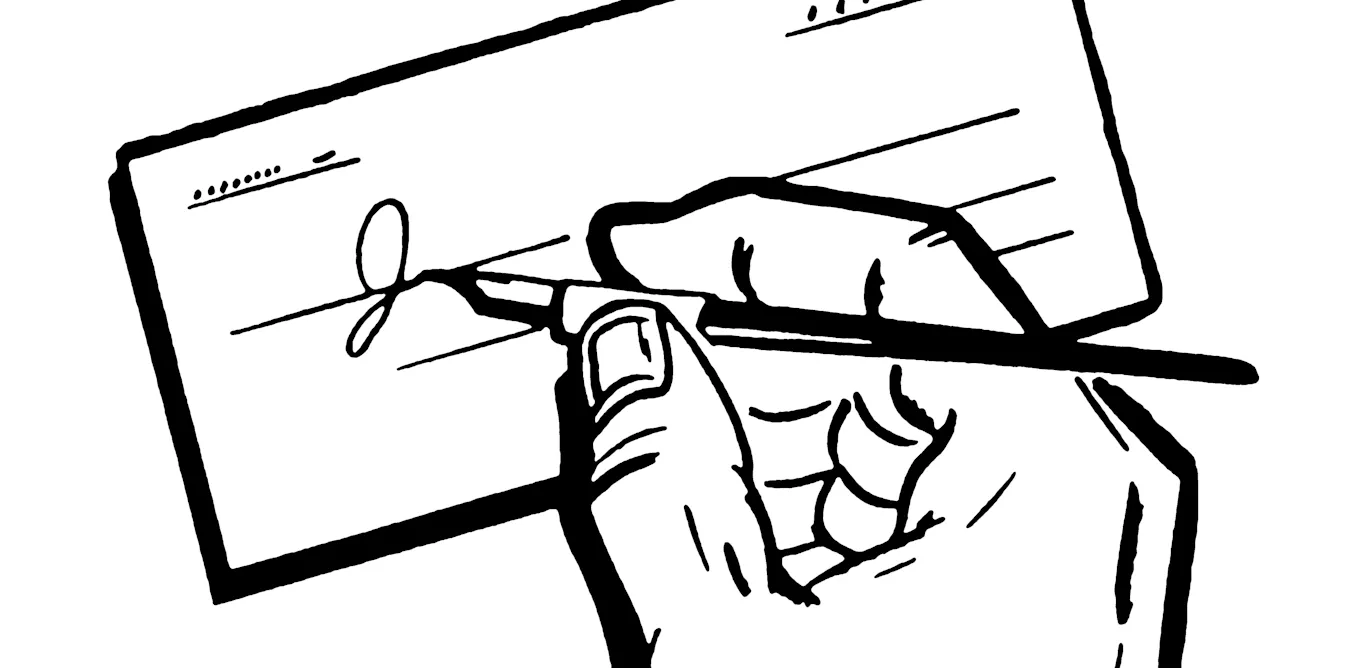
# Should Paper Checks Be Abolished Like the Penny?
Paper checks remain in circulation across America despite decades of digital payment alternatives. The question of whether to phase them out mirrors historical debates over the penny's continued use.
Checks still serve practical functions. Businesses, landlords, and individuals rely on them for major transactions, bill payments, and situations where digital records matter for accountability. The Federal Reserve processes roughly 7.5 billion checks annually, a figure that has declined but stabilized rather than disappeared.
Eliminating checks would require infrastructure changes. Unlike pennies, which serve primarily symbolic purposes, checks provide a tangible paper trail. They work for unbanked populations without smartphone access or reliable internet. For elderly Americans and rural communities, checks remain essential.
Digital alternatives exist but face adoption barriers. ACH transfers, credit cards, and mobile payment apps transfer funds instantly in urban areas. Yet technical gaps persist. Banks charge fees for expedited transfers. Not all retailers accept digital payments universally. International transactions still rely on checks in some contexts.
The penny comparison has limits. Pennies cost more to produce than their face value, making elimination economically sensible. Checks serve substantive functions beyond currency. Their demise would require coordinated policy changes across banking systems, not simple currency decisions.
Some argue modernization demands check abolition. Others contend eliminating them would disadvantage vulnerable populations lacking digital access. The Payments System Architecture Project and various Federal Reserve studies have examined phasing checks out, but no consensus exists on timeline or method.
Rather than outright abolition, the trajectory suggests gradual obsolescence. Digital adoption rates accelerate annually among younger demographics. Legacy systems, regulatory requirements, and demographic diversity suggest checks will persist for decades, slowly declining like rotary phones rather than vanishing overnight.