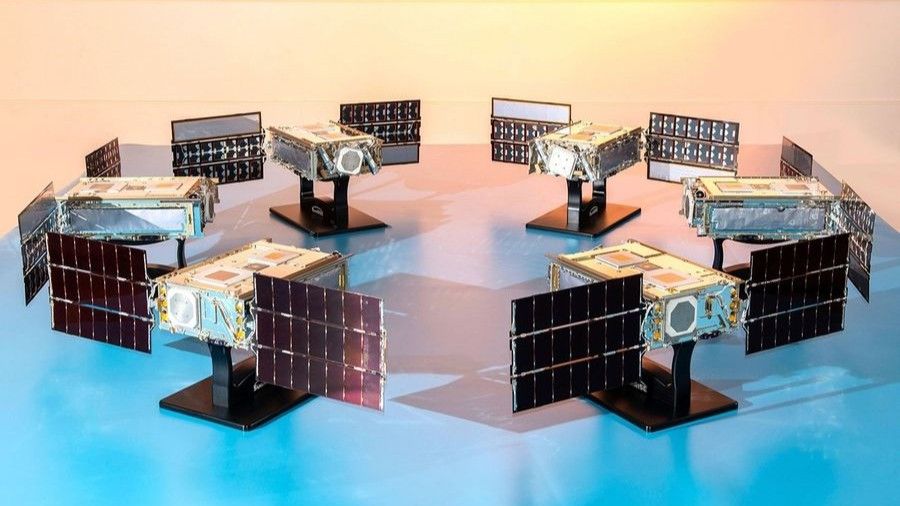
NASA has reassigned its SunRISE space weather mission to launch aboard a SpaceX Falcon Heavy rocket, replacing the United Launch Alliance Vulcan Centaur that was previously scheduled to carry the spacecraft to orbit.
The SunRISE mission studies the Sun's radio bursts and their effects on Earth's space environment. The shift represents another postponement in the troubled development timeline of the Vulcan Centaur, ULA's next-generation heavy-lift vehicle. The rocket has faced repeated delays and technical challenges since its introduction.
SpaceX's Falcon Heavy, which first flew in 2018, offers NASA a proven alternative. The rocket has demonstrated reliability through multiple successful missions, including national security payloads and deep space probes. It carries the advantage of operational readiness compared to Vulcan Centaur's ongoing development hurdles.
NASA has increasingly turned to Falcon Heavy for national missions as delays compound for competing launch systems. The shift reflects both SpaceX's track record and the practical constraints facing government space programs that require launch vehicles to meet mission timelines.
The decision does not necessarily indicate permanent abandonment of Vulcan Centaur for NASA missions. However, each reassignment of major payloads signals continued pressure on ULA to resolve manufacturing and integration issues that have plagued the vehicle's path to regular operations. Vulcan Centaur still faces qualification tests and maiden flights with national security payloads before commercial NASA missions can resume booking it.
SunRISE will launch from Cape Canaveral Space Force Station in Florida. The mission joins a growing roster of NASA science and exploration missions now assigned to Falcon Heavy as the space agency balances its launch portfolio across multiple providers while accommodating schedule uncertainties in emerging systems.