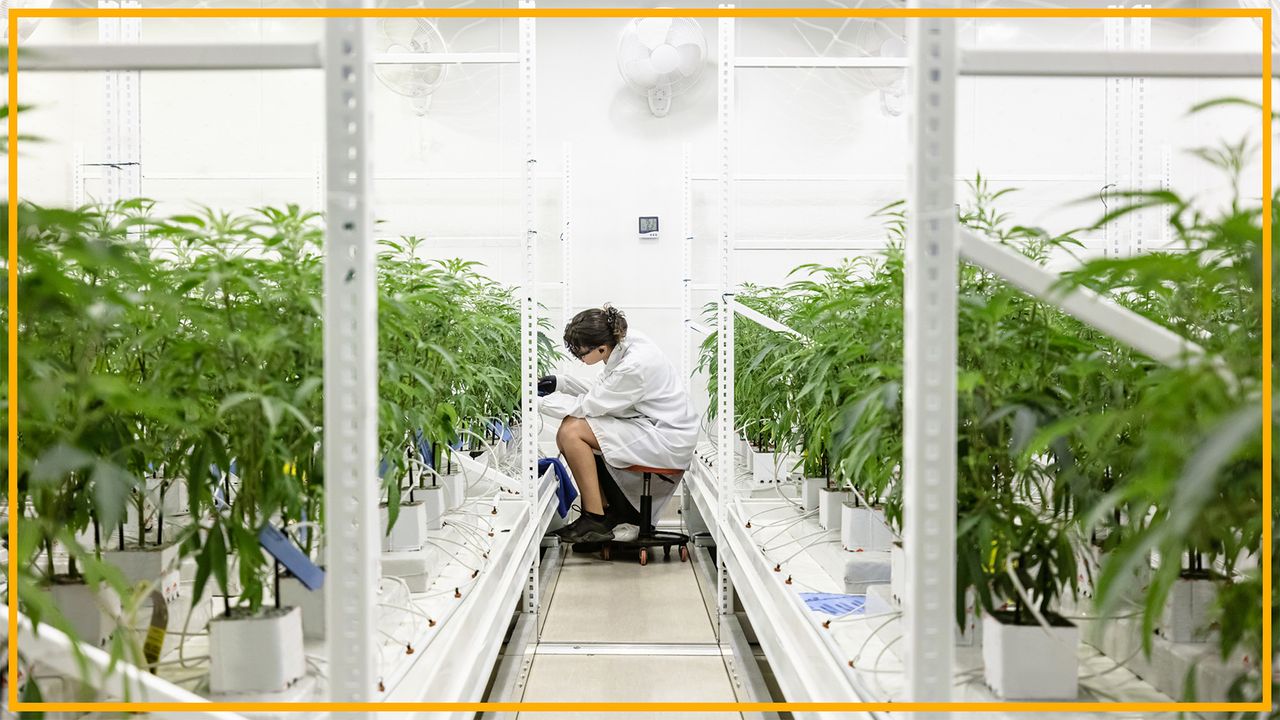
Rescheduling cannabis from Schedule I to Schedule III under the Controlled Substances Act would unlock unprecedented funding for cannabis research, removing a major barrier that has constrained studies for decades.
Raymond Palidora, a clinical researcher studying cannabis therapeutics, explains that reclassification would allow federal agencies like the National Institutes of Health to fund cannabis studies directly. Currently, the Schedule I designation classifies cannabis as having no accepted medical use and high abuse potential, forcing researchers to navigate complex DEA approval processes and limiting institutional support.
The practical impact would be substantial. Universities and research centers could pursue large-scale clinical trials without the restrictive protocols that now govern Schedule I substances. This opens doors to investigating cannabis for chronic pain, epilepsy, multiple sclerosis, and other conditions where preliminary evidence suggests therapeutic benefit.
However, Palidora cautions that rescheduling alone solves only part of the problem. Decades of research restrictions have created significant gaps in our understanding of cannabis biology, optimal dosing, drug interactions, and long-term effects. Even with reclassification, researchers must overcome regulatory hurdles at the FDA and state levels. Access to standardized cannabis plant material remains challenging, since most research-grade cannabis comes from a single federally-licensed facility.
Patient access issues persist separately from research expansion. Rescheduling would not automatically make cannabis therapies covered by insurance or widely available through standard medical channels. Individual states maintain their own cannabis policies, creating a patchwork of legal status across the country.
The scientific community recognizes that cannabis pharmacology deserves rigorous investigation comparable to other drugs. But Palidora's assessment reflects realistic understanding that policy change, while necessary, represents just one step. Establishing robust evidence for cannabis-based treatments requires sustained funding, regulatory cooperation, standardized plant material, and coordinated efforts across institutions and agencies. Rescheduling removes