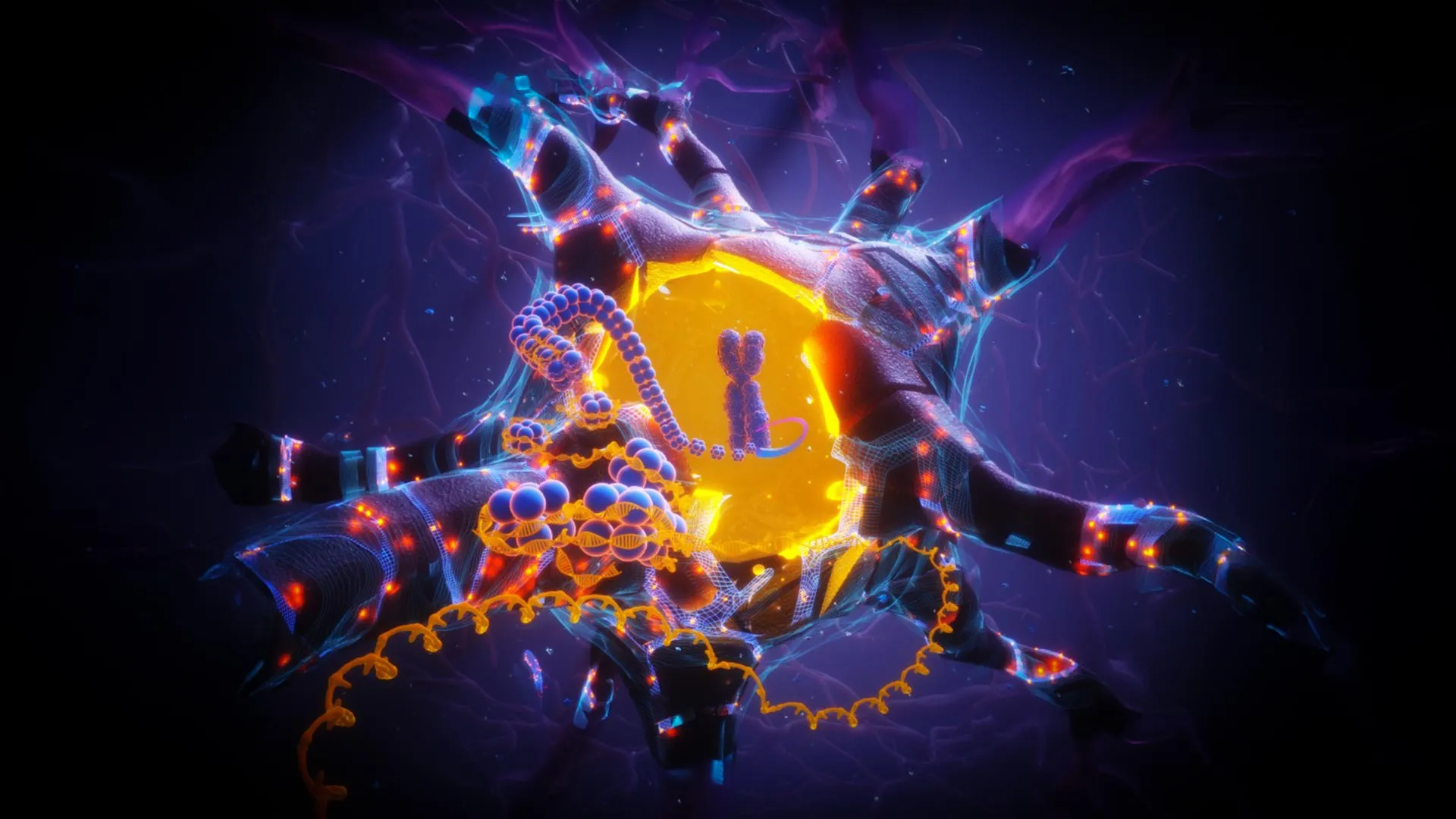
Researchers have identified a protective mechanism in the APOE2 gene that shields brain cells from damage and stress, offering a potential avenue for new Alzheimer's treatments.
The APOE2 variant, linked to longevity, reduces DNA damage in neurons and strengthens their ability to recover from cellular stress, according to the research. This contrasts with APOE4, a genetic variant associated with increased Alzheimer's risk. The findings suggest that therapies mimicking APOE2's protective effects could help people carrying higher-risk genetic profiles.
The study examines how different APOE variants influence neuronal resilience at the molecular level. APOE2 appears to activate cellular defense mechanisms that limit DNA damage accumulation, a hallmark of aging and neurodegeneration. The gene also enhances stress recovery pathways, allowing neurons to repair themselves more effectively.
These results build on decades of APOE research. Scientists have long recognized that APOE4 carriers face significantly elevated Alzheimer's risk, while APOE2 carriers show protective advantages. This work moves beyond correlation to elucidate the biological processes responsible for those differences.
The implications extend beyond basic science. Understanding APOE2's molecular action could enable researchers to develop drugs that replicate its protective functions. Such treatments might benefit the roughly 70 million people globally living with dementia, particularly those genetically predisposed to Alzheimer's.
However, limitations remain. Laboratory studies of isolated cells differ from the complex brain environment. Translating these cellular mechanisms into effective human therapies requires additional research, including animal studies and eventually clinical trials. The pathway from gene function to clinical drug development typically spans years or decades.
The research underscores why genetic factors matter in Alzheimer's prevention and opens discussion about personalized medicine approaches. Rather than one-size-fits-all treatments, future therap