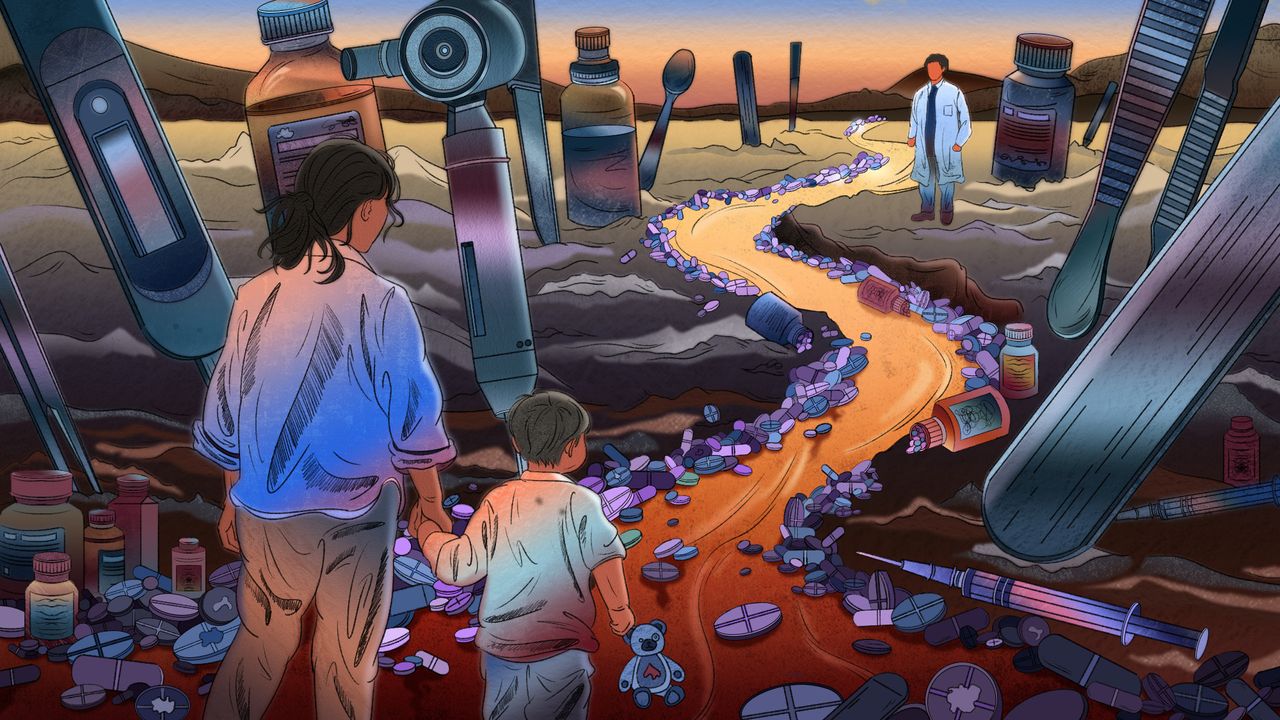
Pediatricians in the United States and Japan routinely prescribe antibiotics at rates exceeding clinical guidelines, though recent data shows doctors in both countries are gradually reducing unnecessary use.
The tendency stems from multiple pressures operating simultaneously. Doctors face time constraints in busy clinical settings that make it easier to prescribe than to explain why antibiotics won't help a viral infection. Parents often expect antibiotics when their child is ill, and physicians report feeling pressured to satisfy these expectations rather than risk patient dissatisfaction. The concept of "defensive medicine" plays a role—prescribing antibiotics provides a sense of action even when the infection is viral and will resolve without intervention.
Diagnostic uncertainty complicates matters further. Early in an illness, pediatricians cannot always distinguish bacterial from viral infections with certainty. Some doctors default to prescribing antibiotics rather than waiting for test results or monitoring symptoms. Additionally, antibiotic resistance concerns remain abstract to many clinicians in daily practice, making the immediate pressure to treat feel more real than future resistance threats.
Cultural differences exist between countries. In Japan, antibiotics are more readily available without prescriptions in some contexts, normalizing broader use. In the U.S., the pharmaceutical industry's historical marketing to physicians reinforced antibiotic prescribing habits.
The improvement trend reflects growing physician education about antibiotic stewardship programs. Medical organizations like the American Academy of Pediatrics have published clearer guidelines distinguishing viral from bacterial respiratory infections. Quality improvement initiatives track prescribing data and provide feedback to individual clinicians, creating accountability.
The implications run deep. Inappropriate antibiotic use directly accelerates the development of drug-resistant bacteria, including dangerous pathogens like methicillin-resistant Staphylococcus aureus. Overuse also exposes children to unnecessary medication side effects and disrupts normal microbiome development, with potential long-term