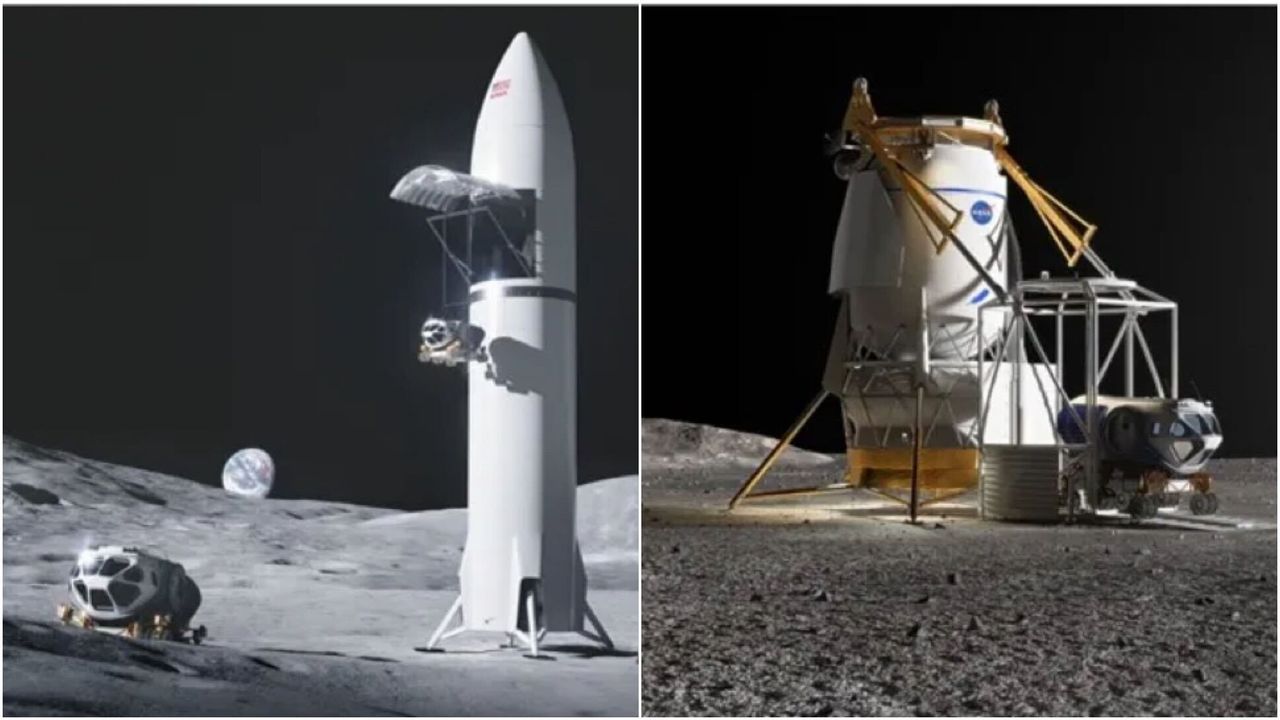
Artemis II pilot Victor Glover is challenging NASA's plan to land astronauts near the lunar south pole, proposing instead that the space agency target the moon's equator for its first crewed mission under the Artemis program.
NASA has committed to establishing operations at the south pole, where permanently shadowed craters contain water ice and other resources valuable for future lunar bases. The region offers scientific and logistical advantages for sustained exploration. However, Glover argues the equatorial zone presents a more practical choice for an initial landing.
The south pole presents technical obstacles. Terrain there is rugged and poorly mapped compared to equatorial regions. Extreme shadows complicate navigation and power generation from solar panels. The equator receives consistent sunlight, enabling more straightforward operations and reducing reliance on battery systems during the long lunar night.
Glover's position reflects broader tension within the space community about balancing near-term mission success against long-term exploration goals. Landing near the south pole carries higher operational risk but advances NASA's objective of creating a sustainable lunar presence. An equatorial landing would lower technical complexity and increase safety margins for crew.
The Artemis II mission, scheduled to fly after Artemis I's uncrewed test flight, will carry four astronauts in lunar orbit. Artemis III will attempt the first crewed surface landing. The choice of landing site carries implications for mission duration, equipment requirements, and crew capability demands.
NASA officials have not yet responded to Glover's recommendation. The agency's lunar exploration strategy depends heavily on accessing south pole resources, particularly water ice, to support long-duration missions and eventual human bases. However, engineers and mission planners continue evaluating trade-offs between ambitious goals and practical constraints.
The debate highlights ongoing discussions within NASA about the optimal path forward for sustained lunar exploration. Mission success on Artemis III could build momentum for more challenging south