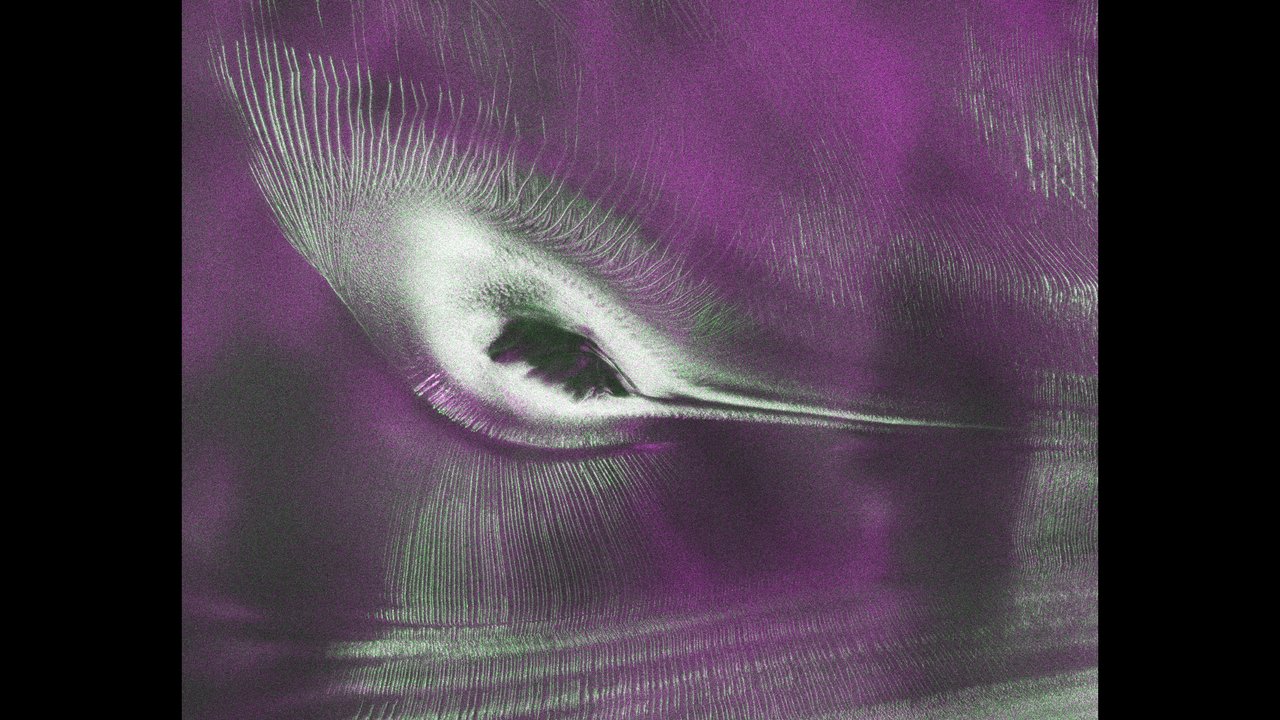
NASA's NISAR satellite has captured radar imagery revealing an unexpected hummingbird-shaped formation atop a mountain in Antarctica. The distinctive pattern emerged in synthetic aperture radar (SAR) data collected by the NASA-ISRO Synthetic Aperture Radar mission, which launched in 2024 as a joint effort between NASA and the Indian Space Research Organisation.
NISAR operates differently from traditional optical cameras. Its radar instruments emit microwave pulses and measure how they bounce back from Earth's surface, creating detailed topographic maps regardless of cloud cover or darkness. This technology proves particularly valuable over Antarctica, where persistent cloud layers and polar darkness limit conventional satellite photography.
The hummingbird silhouette represents a natural artifact of how SAR imaging renders mountainous terrain. The radar's side-looking geometry exaggerates slopes and elevation changes, producing distinctive shapes that appear quite different from optical views. The apparent "wings" and "body" of the bird form from variations in surface elevation and radar reflectivity across the Antarctic peak.
Such discoveries highlight how SAR satellites reveal Earth's landscape in novel ways. While the hummingbird shape itself is purely coincidental, the underlying data carries scientific value. NISAR's measurements help researchers monitor ice sheet dynamics, map geological structures, and track changes in surface deformation across one of Earth's harshest environments.
The mission represents a significant achievement in international space collaboration. NISAR generates unprecedented high-resolution SAR imagery across global landmasses, with particular emphasis on monitoring ice sheets, volcanoes, earthquakes, and other dynamic Earth systems. The satellite completes a comprehensive global survey every 12 days at 12-meter resolution, providing scientists with consistent baseline data for detecting environmental changes.
Pareidolia, the human tendency to recognize familiar patterns in random objects, explains why the hummingbird shape captures attention. These moments of visual se