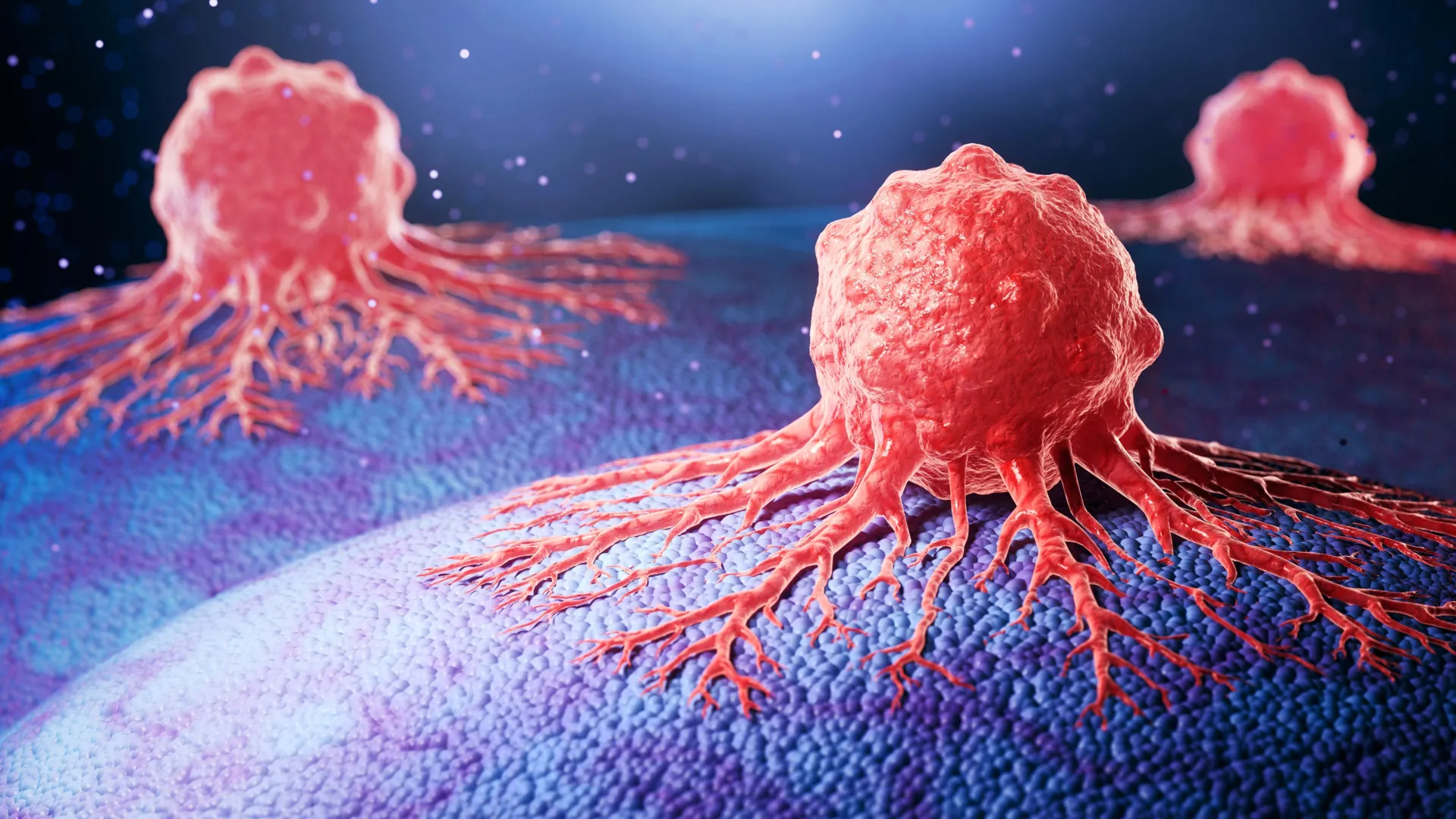
Researchers have engineered a fully human antibody that blocks aggressive prostate cancer growth and metastasis in laboratory studies. The discovery offers a potential new therapeutic approach for advanced disease, though human clinical trials remain ahead.
The antibody targets a specific mechanism that aggressive prostate cancers exploit to spread. Unlike conventional treatments that attack cancer cells directly, this antibody interrupts the pathway cancer uses to evade the immune system and establish distant tumors. Preclinical models showed the drug halted tumor progression and prevented metastatic spread.
Using fully human antibodies rather than mouse-derived or chimeric versions reduces the risk of immune rejection, a common limitation of earlier therapeutic antibodies. This design potentially allows patients to tolerate the drug longer and with fewer side effects. The mechanism addresses a fundamental challenge in prostate cancer treatment: preventing the transition from localized to metastatic disease, which becomes far more difficult to manage.
Prostate cancer affects millions worldwide. While early detection and hormone therapy help many patients, aggressive variants resist standard treatments and progress to advanced stages where survival rates drop significantly. New therapeutic targets remain urgently needed.
The researchers conducted experiments in cell cultures and animal models, demonstrating the antibody's ability to penetrate tumor tissue and activate immune responses against cancer cells. Preclinical results showed tumor growth slowed substantially compared to control groups.
However, important gaps remain before clinical application. Animal models don't always predict human outcomes. The antibody must demonstrate safety and efficacy in Phase 1 human trials, then progress through Phase 2 and Phase 3 testing to establish optimal dosing and identify side effects. Manufacturing and regulatory approval require additional time and investment.
The team plans to pursue human studies, though no timeline has been announced. If successful, this antibody could complement existing prostate cancer treatments or replace less effective options. The approach also provides a template for developing antibodies against other aggressive canc