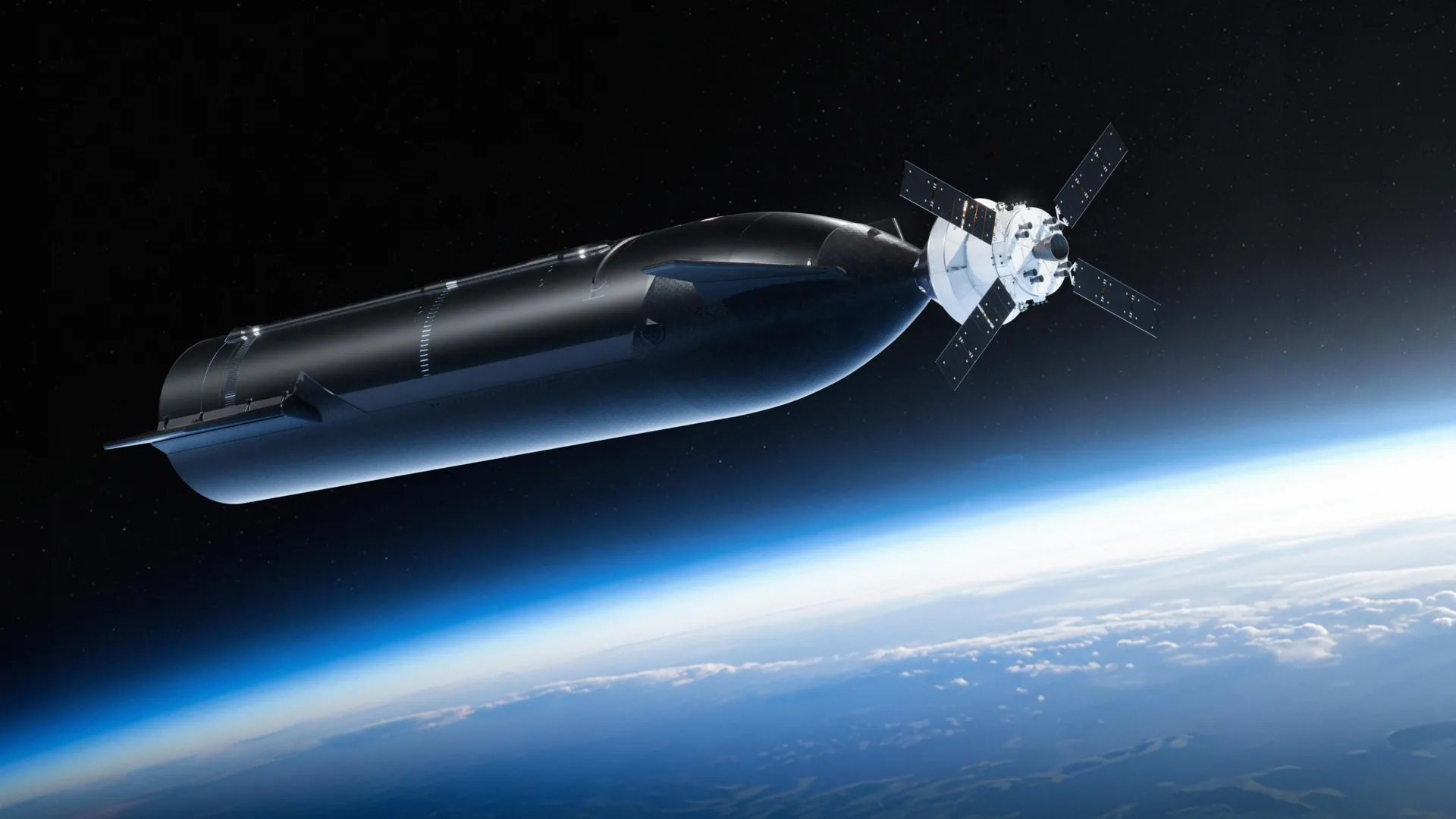
NASA plans an orbital dress rehearsal for lunar landings during the Artemis III mission, scheduled for 2027. The space agency will have Orion astronauts rendezvous and dock with prototype lunar landers from both SpaceX and Blue Origin in Earth orbit, before any crews actually descend to the Moon's surface.
This approach represents a deliberate risk-reduction strategy. By testing docking procedures, crew transfers, and communication protocols with both lander designs in space rather than during a crewed descent, NASA gains confidence in the hardware and procedures. The rehearsal allows ground teams and astronauts to identify problems and refine techniques without the time pressure and danger of an active lunar landing attempt.
The dual-lander approach reflects NASA's partnership structure for Artemis. SpaceX's Starship and Blue Origin's Blue Moon lander are both under development as part of the Human Landing System program. Testing both vehicles during a single mission maximizes data collection and reduces the chance that unforeseen compatibility issues will delay future surface operations.
The 2027 timeline gives both companies roughly three years to complete prototype development and conduct initial tests. The rendezvous and docking operations in lunar orbit present genuine technical challenges. Astronauts must safely transfer between the Orion spacecraft and landers designed by different contractors using different docking systems and procedures. Ground controllers need proven communication links and contingency plans for various failure scenarios.
This mission structure differs from typical NASA approaches that have historically tested one system at a time. The compressed schedule and ambitious scope reflect both the political pressure to return humans to the Moon and genuine lessons learned from the Space Shuttle program and International Space Station assembly, where orbital testing prevented costly errors.
The Artemis III mission itself will not land astronauts on the Moon. That objective shifts to Artemis IV and beyond, after NASA and its contractors gain operational experience from