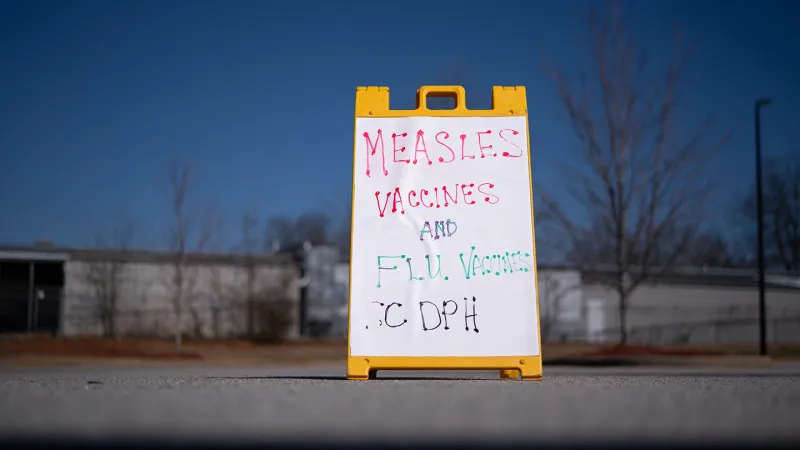
Measles cases in the United States reached their highest level in 34 years, according to data from health authorities tracking the outbreak. The last time case counts approached current levels was 1992, before widespread vaccination efforts brought the disease under near-elimination in subsequent decades.
The resurgence stems primarily from declining vaccination rates. Communities with lower immunization coverage, particularly those with concentrated populations skeptical of vaccines, have become vulnerable to transmission. Measles spreads rapidly through respiratory droplets, requiring extremely high vaccination rates, typically above 95 percent, to maintain herd immunity and prevent outbreaks.
An epidemiologist cited in the reporting attributed the surge to a combination of factors. Vaccine hesitancy, amplified by misinformation circulating online and in some communities, has reduced the number of children receiving the measles-mumps-rubella vaccine. Some parents delay or refuse vaccination based on debunked safety concerns, despite decades of data confirming the vaccine's safety and efficacy.
International travel also played a role in spreading the virus. Measles cases imported from other countries where vaccination rates remain lower can establish chains of transmission in communities with pockets of unvaccinated individuals.
The disease carries serious risks. Measles causes high fever, rash, and can lead to complications including pneumonia, encephalitis, and in rare cases, death. The virus poses particular danger to infants too young for vaccination and immunocompromised individuals unable to receive the shot.
Public health officials have intensified outreach efforts to boost vaccination rates and contain ongoing transmission clusters. Achieving herd immunity requires reversing the vaccination rate decline that allowed this preventable disease to resurge after decades of effective suppression in the American population.