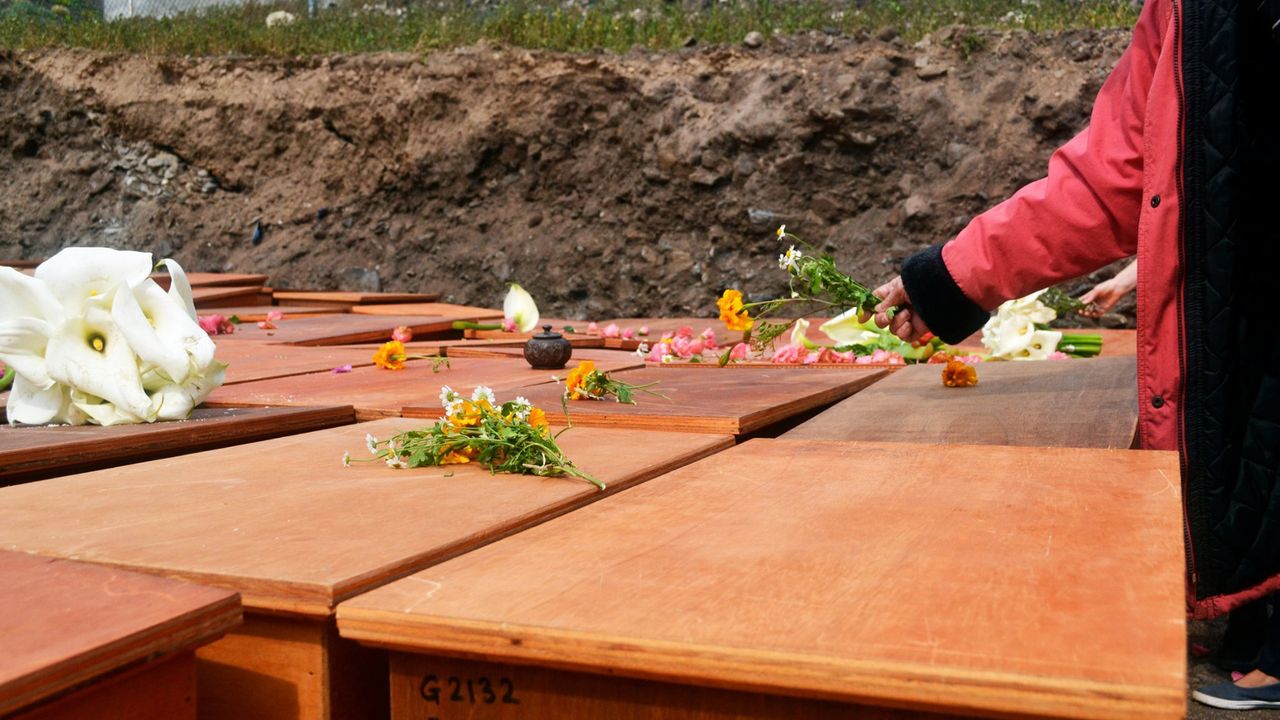
British naval vessels rescued thousands of enslaved Africans from slave ships in the early 19th century, depositing them on the remote Atlantic island of St. Helena. Most died there from disease and harsh conditions. Researchers have now identified where these "liberated Africans" originated using chemical analysis of their remains.
The study employed isotopic analysis of teeth and bones from individuals buried on St. Helena between 1817 and 1843. Different regions produce distinct chemical signatures in human tissues based on local water, food, and geology. By measuring the ratios of oxygen, carbon, and other elements, scientists reconstructed the geographic origins of the deceased.
The findings reveal that the freed Africans came from diverse regions across West and Central Africa, including areas now comprising Angola, the Democratic Republic of Congo, Nigeria, and Cameroon. They were captured along trade routes and coastal regions where the slave trade operated most intensely. Some individuals traveled extraordinary distances before reaching St. Helena, having been held in multiple locations during the trafficking process.
Between 1817 and 1833 alone, the British Navy brought over 15,000 liberated Africans to St. Helena. The island, chosen partly for its remoteness, proved deadly. Poor conditions, lack of adequate housing, disease, and inadequate medical care killed thousands. Historical records documented epidemics of fever and dysentery. Children and young adults suffered particularly high mortality rates.
This research adds human detail to a largely forgotten chapter of Atlantic history. Rather than returning to their homelands, these individuals who escaped enslavement faced institutional neglect on a distant island. The chemical analysis transforms anonymous burial records into documented human stories, identifying people by their geographic origins and, indirectly, their stolen lives.
The work underscores how scientific methods reveal historical injustices. Isotopic analysis provides objective data about forced migration patterns that written records alone