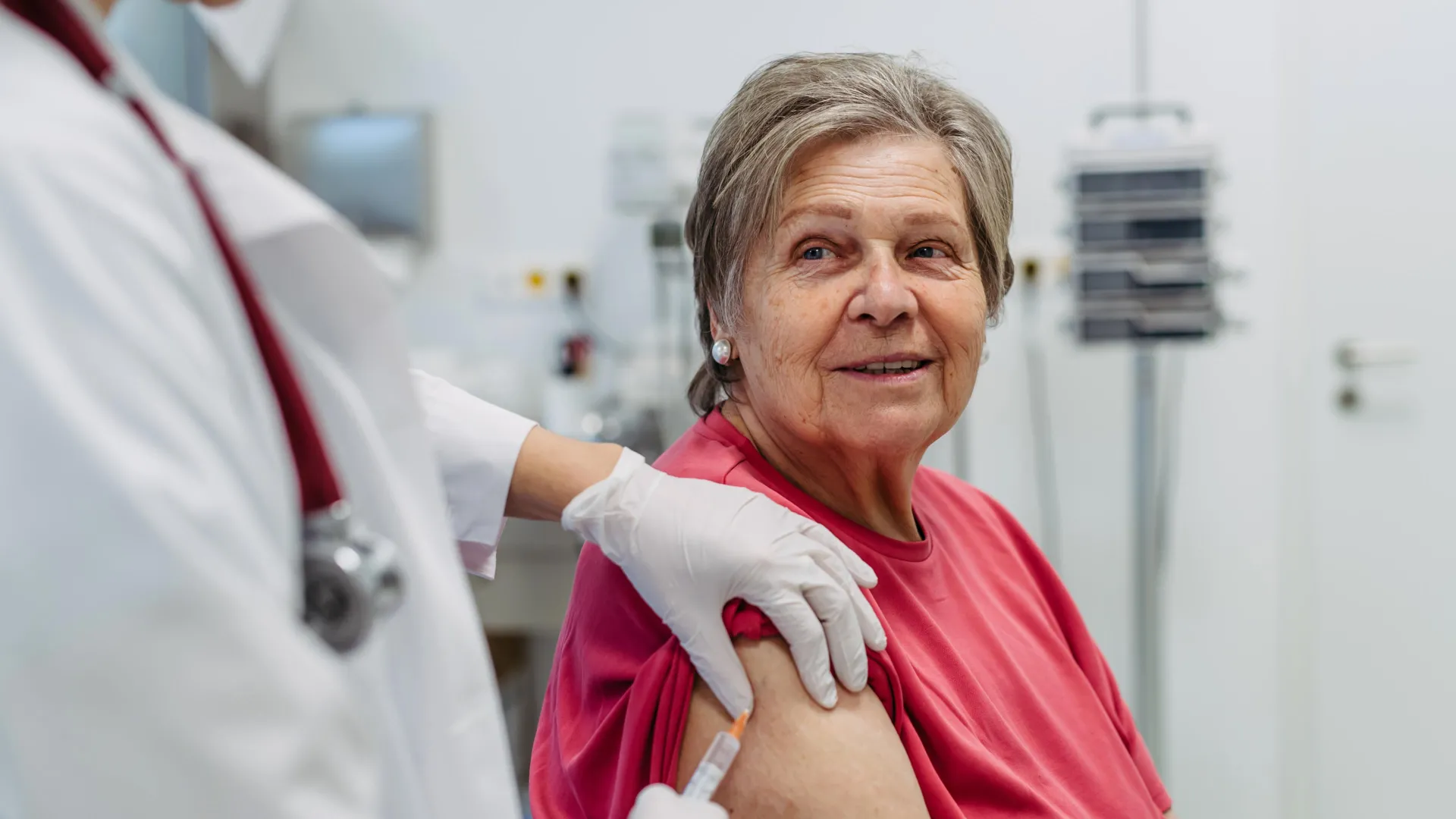
Researchers have identified spermidine, a naturally occurring compound abundant in wheat germ, mushrooms, and aged cheese, as a potential immune booster for older adults receiving vaccines. A small pilot study examined whether spermidine supplements could strengthen vaccine responses in people over 65 after their third COVID-19 dose.
The trial produced promising results, particularly among participants whose immune systems initially mounted weak responses to vaccination. Those who received spermidine developed higher antibody levels and demonstrated stronger immune activity against multiple coronavirus variants compared to controls. This finding addresses a critical public health challenge: older adults typically generate weaker immune responses to vaccines than younger people, leaving them more vulnerable despite vaccination.
Spermidine works through polyamine signaling, a cellular process that supports immune cell function and protein synthesis. Previous research in model organisms suggested polyamines could enhance vaccine efficacy, but this represents an early human test of the concept.
The study's scope carries important limitations. The pilot trial involved a small number of participants, and researchers have not yet published results in a peer-reviewed journal, making independent verification impossible at this stage. The researchers have not disclosed which institutions conducted the work or identified the specific scientists involved. Long-term durability of any immune benefits remains unknown, as does the optimal dosage or duration of supplementation.
The compound's food sources offer intriguing accessibility. A single serving of wheat germ or mushrooms contains naturally occurring spermidine, suggesting potential preventive applications beyond supplement form. However, dietary consumption levels versus supplemental doses tested in the trial remain unclear.
Larger, rigorous trials would be necessary before recommending spermidine supplements for vaccine enhancement in clinical practice. Researchers must confirm these preliminary findings, establish safety profiles across diverse older adult populations, and determine whether benefits extend to other vaccines. If validated, spermidine could represent a low-cost, well-tolerated