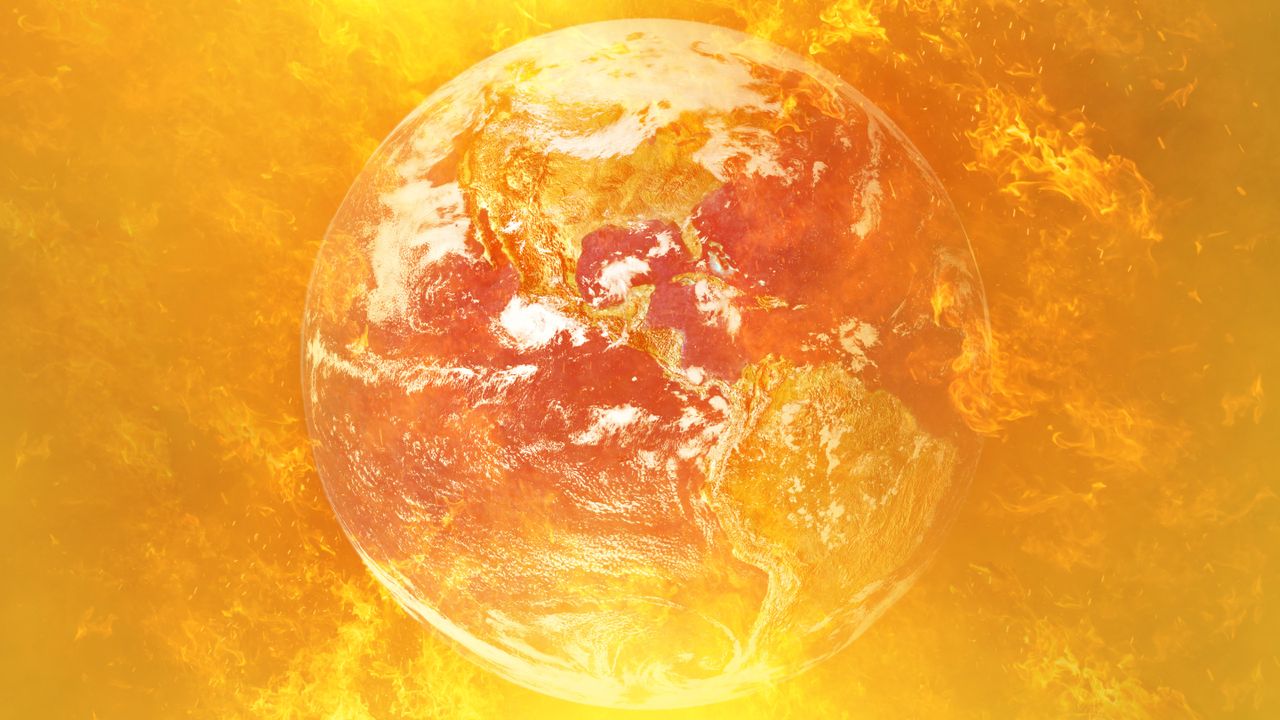
The world faces an increasingly probable super El Niño event that could reach unprecedented strength in coming months, according to recent climate forecasts. Current predictions suggest the ongoing El Niño will intensify to record-breaking levels, potentially triggering severe humanitarian consequences through temperature spikes and extreme weather events.
El Niño occurs when warm water in the equatorial Pacific Ocean spreads eastward, disrupting global weather patterns. A "super" or "strong" El Niño amplifies these disruptions significantly. The phenomenon correlates with increased drought risk in some regions, flooding in others, and altered precipitation patterns worldwide. When combined with human-caused climate change, a record-strength event compounds warming trends and increases the likelihood of heat waves, storms, and other extremes.
Meteorological agencies track El Niño conditions using ocean temperature data and atmospheric measurements. Current indices suggest the event strengthening faster than typical patterns, with models indicating it could surpass the 2015-2016 super El Niño, widely considered one of the strongest on record.
The humanitarian implications are substantial. Previous strong El Niño events triggered widespread crop failures, water shortages, and disease outbreaks in vulnerable regions. A record event raises these risks considerably. Agricultural-dependent nations in Southeast Asia, East Africa, and Latin America face heightened threats to food security. Small island nations and coastal communities encounter elevated risks from storm surge and flooding.
Climate researchers emphasize the unpredictability inherent in such forecasts. While models show strong agreement on intensification, exact magnitude and regional impacts remain uncertain. Some outcomes depend on factors models cannot perfectly capture, including volcanic activity and unexpected atmospheric shifts.
The scientific community continues monitoring conditions closely. El Niño typically persists for 9 to 12 months, meaning impacts could extend into late 2024 or beyond. Preparedness measures, early warning systems, and humanitarian