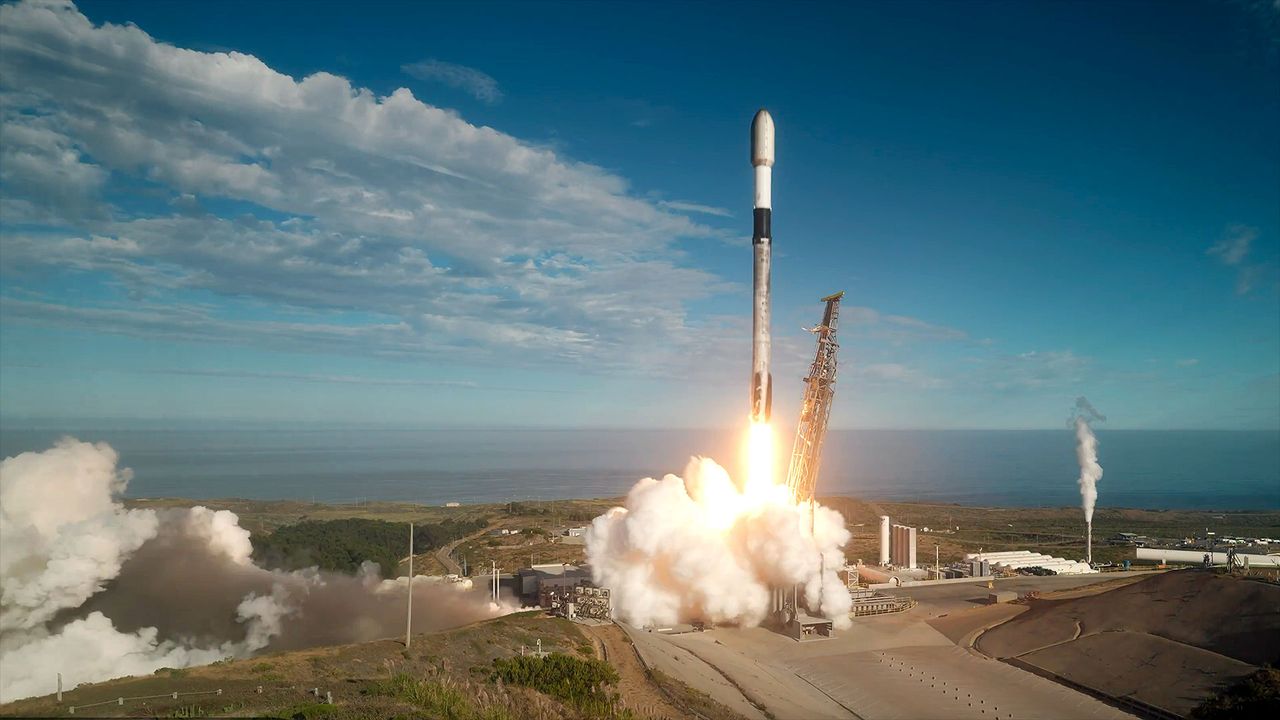
SpaceX successfully launched a Falcon 9 rocket carrying 24 Starlink satellites from Vandenberg Space Force Base in California on Tuesday, July 21, following an abort of the initial launch attempt the previous day.
The rocket lifted off as scheduled on its second attempt, adding another batch to the growing constellation of internet-relay satellites that SpaceX operates for global broadband coverage. The company has conducted hundreds of Starlink launches since beginning deployments in 2019, with the program now operating over 6,000 active satellites in orbit.
Launch aborts remain routine in the aerospace industry. SpaceX halts countdowns for various reasons, including unfavorable weather, technical sensor readings, or upper-stage concerns. The specific cause of Monday's abort was not detailed in available reports, though Vandenberg's coastal location frequently experiences marine layer clouds and fog that can trigger weather holds.
The Vandenberg facility serves as SpaceX's primary West Coast launch site, handling both national security missions and commercial satellite deployments. Located near Santa Maria, California, the base provides optimal trajectories for polar and near-polar orbits, making it ideal for Starlink launches destined for high-latitude coverage zones.
SpaceX's rapid launch cadence continues to accelerate company operations. The Starlink constellation now provides satellite internet service across much of the globe, with particular reach in remote regions underserved by terrestrial infrastructure. Each Falcon 9 carries dozens of these satellites to supplement the network.
The company's ability to recover and refly Falcon 9 first stages reduces launch costs substantially. Most Starlink missions employ previously flown boosters, enabling SpaceX to maintain a high launch frequency while managing expenses. This reusability model has become standard practice for the company's orbital operations.
Tuesday's successful launch continued SpaceX's pattern of regular Starlink