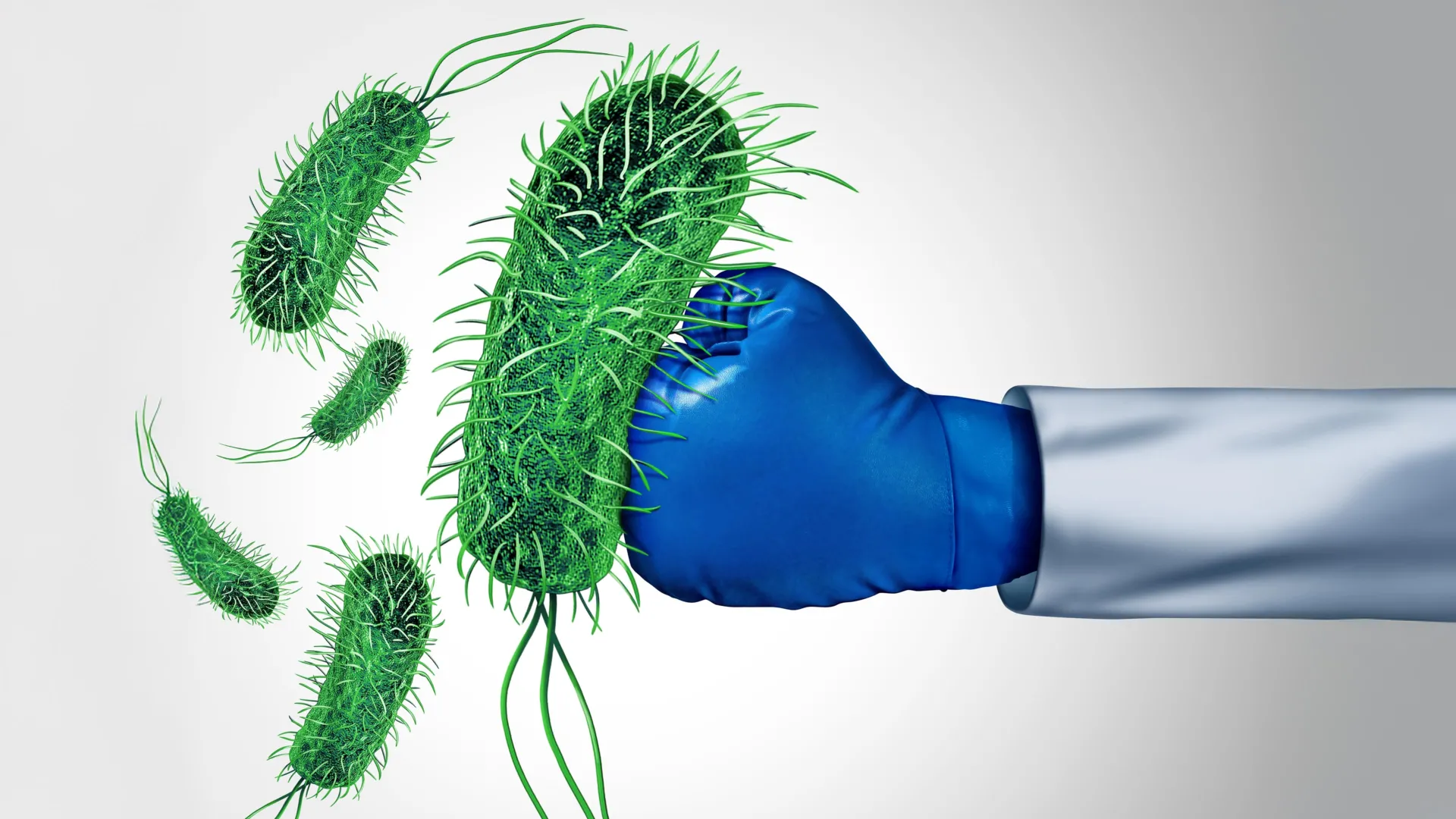
Researchers have restored vancomycin's potency against resistant bacteria by pairing it with a molecule that disables bacterial defense mechanisms. The team combined vancomycin with pghi-4, a small molecule that blocks an enzyme bacteria use to resist the antibiotic. Tests showed the combination killed drug-resistant E. faecium strains that had previously survived vancomycin alone.
Vancomycin has been a last-resort treatment for serious infections for decades, but some bacteria have evolved resistance through enzymatic pathways that degrade or neutralize the drug. Rather than developing entirely new antibiotics from scratch, this approach leverages existing medicines by neutralizing resistance mechanisms. The pghi-4 molecule acts as a chemical partner that prevents bacteria from activating their protective enzymes.
The research addresses a growing crisis in infectious disease. Antibiotic resistance kills over 1 million people annually and threatens routine medical procedures. Drug development for novel antibiotics remains slow and expensive, making combination strategies increasingly attractive. By pairing old drugs with resistance-blocking molecules, researchers can potentially extend the clinical life of proven antibiotics.
The pghi-4 strategy demonstrates proof of concept for a broader principle. Scientists could apply similar approaches to other failing antibiotics by identifying and blocking the specific enzymatic defenses bacteria employ. This method requires less development time than creating entirely new compounds and taps into existing regulatory frameworks for approved drugs.
Limitations remain. The research used laboratory conditions that may not fully reflect clinical reality. Bacterial resistance evolves constantly, and overuse of any antibiotic combination could generate new resistance pathways. Additionally, pghi-4 would need safety testing and clinical trials before human use.
The findings suggest vancomycin may remain viable longer than previously expected. If pghi-4 or similar molecules prove safe and effective in humans, this approach could buy time while researchers develop truly novel antib