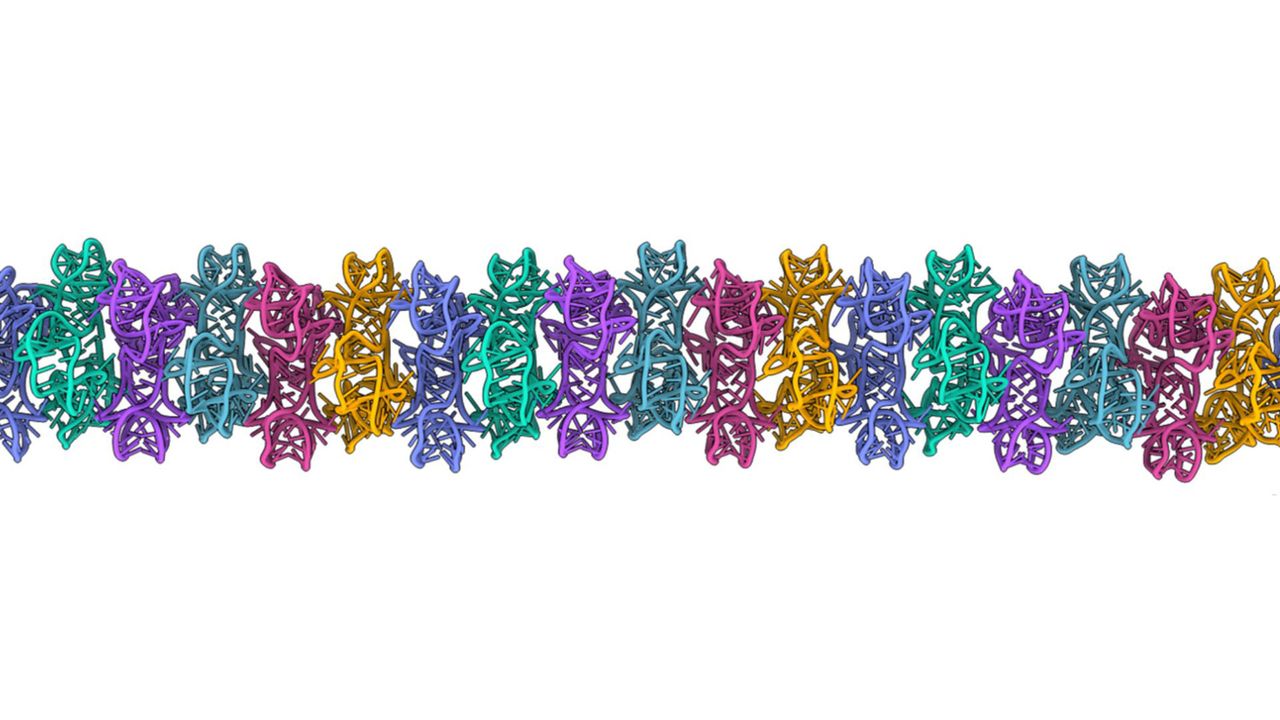
Researchers have discovered that RNA molecules can fold into three-dimensional structures far more complex than previously understood, fundamentally challenging assumptions about the role RNA played during life's origin on Earth.
The finding expands the known capabilities of RNA beyond what scientists expected from the molecule's chemical properties. RNA, which stores genetic information and catalyzes biochemical reactions, has long been central to the "RNA world hypothesis." This theory proposes that early life relied entirely on RNA to perform both the information-storage functions of DNA and the catalytic functions of proteins.
Scientists studying RNA's structural possibilities identified configurations that break conventional models of how the molecule folds. These complex three-dimensional arrangements suggest RNA possessed capabilities researchers had not previously documented or predicted. The discovery raises a critical question: if RNA could adopt these unexpected structures billions of years ago, how might those abilities have influenced the emergence of life?
The RNA world hypothesis has faced scrutiny for decades. Critics question whether RNA alone could replicate itself reliably and perform the diverse chemical functions life requires. Most modern organisms rely on a division of labor among DNA, RNA, and proteins. But early Earth may have operated under different rules, with RNA handling tasks now split among three molecules.
These new structural findings add nuance to that debate. If RNA could fold into more sophisticated configurations than scientists assumed, it might have accessed catalytic or binding properties that made it a more capable molecule than the simplified models suggested. This could make the RNA world scenario more plausible than some researchers considered.
The research does not prove the RNA world hypothesis correct. Rather, it expands the toolkit scientists must consider when modeling early biochemistry. Understanding what RNA could actually do, rather than what theory predicted it should do, moves the field closer to realistic assessments of prebiotic chemistry.
The implications extend beyond origin-of-life research. Better knowledge of RNA's structural repertoire could inform synthetic biology and therapeutic RNA design, where researchers