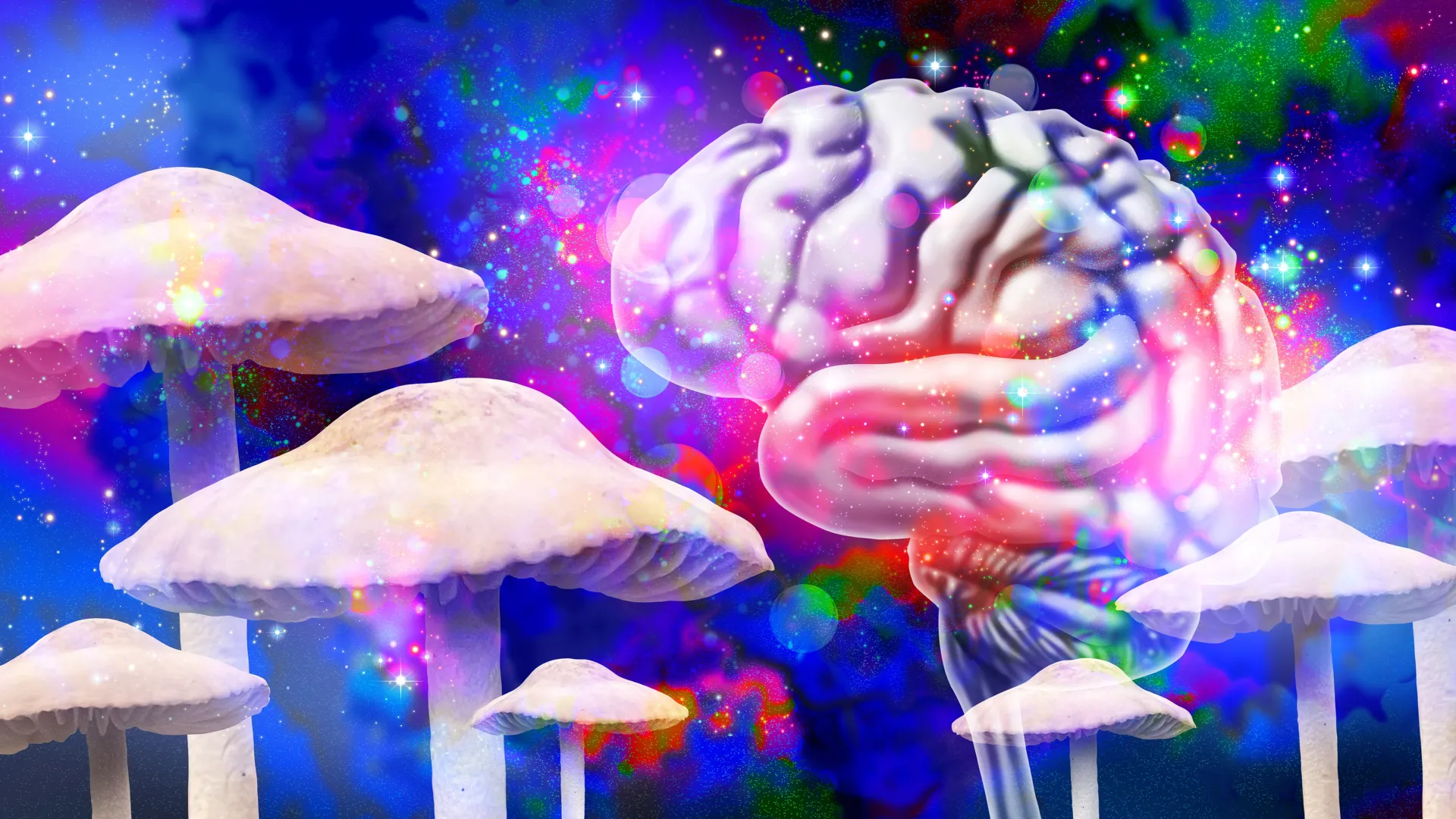
Researchers have documented that a single psilocybin dose produces lasting changes in how the brain functions, with effects persisting for up to a month after ingestion. The study found measurable alterations in brain activity patterns and potential structural changes that extend far beyond the typical 4 to 6 hour duration of the psychedelic trip itself.
Participants whose brains showed the greatest increase in flexible, varied neural activity reported experiencing deeper personal insight during the experience. These same individuals demonstrated improved well-being in follow-up assessments conducted after the acute effects wore off. The correlation between brain plasticity and subjective benefit suggests psilocybin works by disrupting rigid thought patterns.
The findings align with emerging neuroscience on how psychedelics function therapeutically. Rather than working through a single mechanism, psilocybin appears to enhance neural flexibility, allowing people to form new connections between brain regions typically isolated from one another. This temporary reorganization may help people escape cyclical negative thinking patterns that characterize depression and anxiety.
The research adds biological weight to clinical observations from ongoing trials investigating psilocybin for treatment-resistant depression and end-of-life anxiety. If the brain changes documented here correlate with lasting therapeutic benefits, it would support a neurobiological explanation for why patients show sustained improvements weeks or months after receiving a single dose.
Important limitations remain. The study measured correlation between brain activity increases and reported well-being, not proof of causation. Sample sizes in most psilocybin research remain small. Long-term follow-up data examining whether brain changes persist beyond one month is sparse. The mechanisms underlying structural brain changes, if confirmed, remain unclear.
The work builds the case for psilocybin as a tool for cognitive flexibility rather than a one-time symptomatic fix. Understanding how the drug reorganizes neural circuits could inform treatment protocols and patient selection, potentially identifying who